Decentralising Power: Who Holds the Power?Rethinking Global Mental Health
Core to our approach as the Global Mental Health Action Network is the belief that power should be decentralised.
Mental health is a global challenge, and the response needs to bring together advocates from all over the world. Our mission to mobilise an effective, impactful global movement for better mental health requires us to give power back to the people; to give a voice to those who have not been listened to.
Our approach as a network is modelled on the change we want to see. We exist to empower our members. We create opportunities for our members to identify, articulate, and advocate for the change that matters to them. We strive towards open collaboration, allowing creativity and cooperation to flourish free from the constraints of traditional hierarchy.
What do we mean by decentralising power?

Image by T Leish
In political, organisational, and social systems all over the world, there are people and groups that hold a disproportionate amount of power. Excluding people from decision-making can mean that their interests are not properly represented, entrenching unequal outcomes within the system. Even when those with power attempt to use their power on behalf of those without, their efforts will often be impeded by misunderstanding, inaccurate assumptions, and lack of community buy-in.
Decentralising power means transferring decision-making authority away from a single, centralised group of people towards local communities and individuals. It means a flatter hierarchy, a more diverse group of decision-makers, and people able to exercise power where it matters to them. For GMHAN, it means that our members are empowered to make decisions in their local communities, but also that they have power to shape the direction of the GMHAN network.
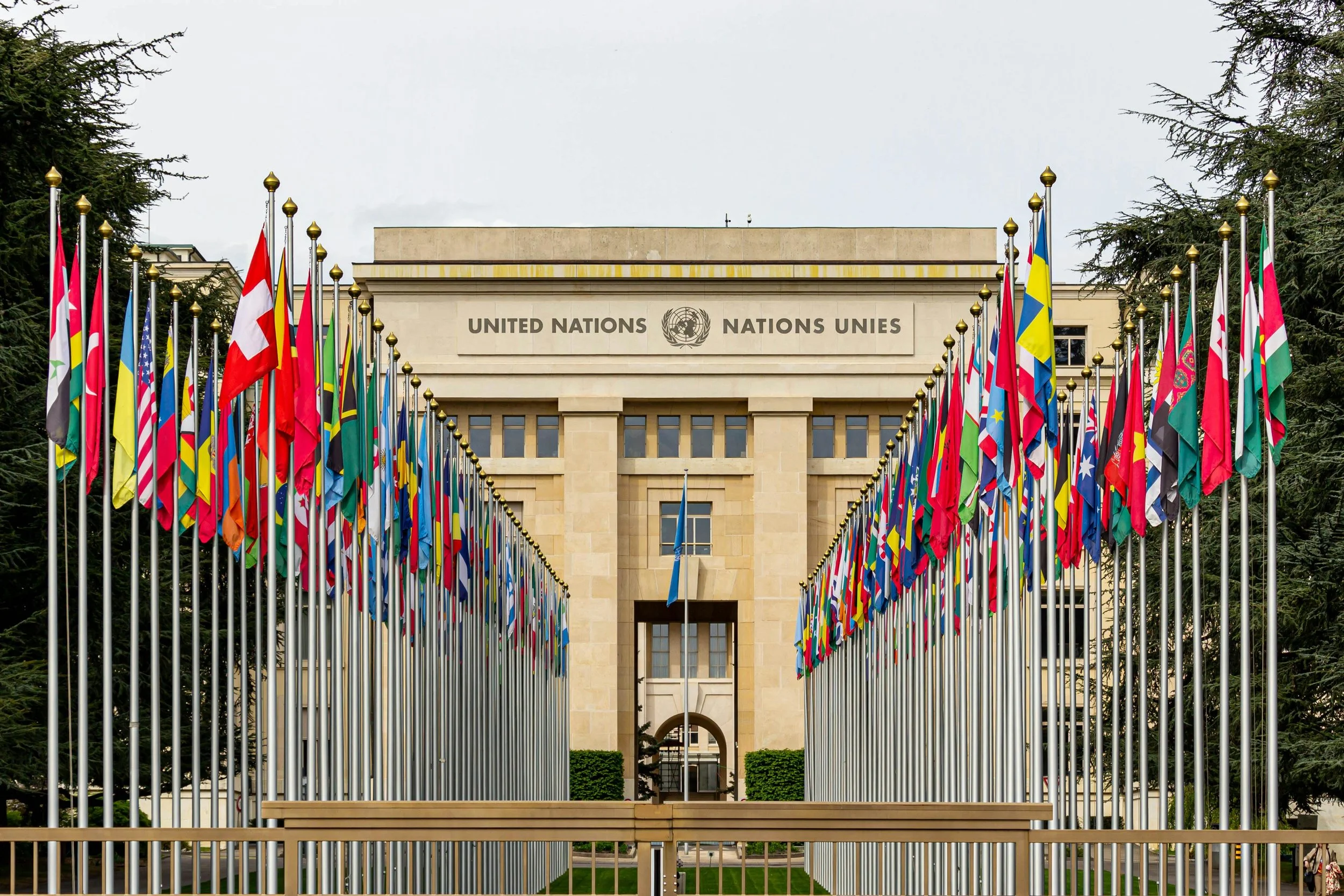
Image by Hugo Magalhaes
We want to move away from exercising power over others, check our assumptions when exercising power for others, and instead exercise power with our advocates.
Ultimately, we want to unlock the power within our advocates, our network, and our cause to achieve meaningful change that improves everyone’s mental health.
Why is it important to us?
Decentralising power is fundamentally important to us because unequal distribution of power - and the inequality and disempowerment that comes with it - is at the root of much preventable mental illness. We can only change society by embodying the change we want to see.
On a local level, decentralising power to our advocates means that those with the greatest stake in achieving local change are the ones with the power. We want the people with the most detailed understanding of the issues that affect them to be the people proposing the change.
From the perspective of the wider network, decentralised power means that collaboration comes from a place of greater equality, with a greater volume and diversity of voices working towards common solutions. More people with buy-in and agency means a higher quality discussion and more effective shared problem solving.
How are we decentralising power?
Decentralised power is a foundational principle for GMHAN, and it is baked into our organisational set-up. We maintain a small central staff whose purpose is to facilitate, convene, and empower rather than to direct.
We believe strongly in the power of coproduction, and ensure that we work with our advocates and members on all important decisions. For example, our 2024 strategy was developed over ten months with contributions from more than 450 members and 50 partners in over 100 countries.
Our membership is free and open to all. Everyone who joins the network has the opportunity to benefit from the accumulated knowledge and experience of the wider network, but also to contribute towards the future direction of the network as a whole.
Decentralising power is one of the most important tools we have in our efforts to achieve better mental health for all. We are committed to being the change we want to see.
by the GMHAN Secretariat