Lived Experiences Heard: Real Voices, Real Change
WHO Eastern Mediterranean Regional Coalition for Mental Health and Substance Use Prevention

The Eastern Mediterranean Region stands at the centre of escalating crises. More than half of the countries in the Region are currently experiencing direct involvement in or spillover from ongoing conflicts. These escalations have led to hostilities, mass displacement, disruptions to humanitarian aid and devastating loss of life. However, despite economic hardship, humanitarian crises, environmental pressures and political instability, civil society continues to rise. Grassroots organisations and people with lived experience-led associations are not standing still. They are providing shelters during emergencies, delivering mental health and psychosocial support services and challenging deeply rooted institutional and structural stigma.
Civil society is calling for a future where mental health is integrated into primary health care. Policies that undermine the right to quality mental health care are being challenged, reconsidered and dismantled.
Creating a single platform that brings together the linguistic, cultural, and political diversity from across the Eastern Mediterranean Region might seem like an impossible mission. Yet, progress has begun.
In 2025, the Global Mental Health Action Network and WHO Regional Office for the Eastern Mediterranean launched the Regional Coalition for Mental health and Substance Use Prevention.
It is the beginning of a coordinated and collaborative movement that brings together the critical perspectives of the people closest to the problem from across the Region. With lived expertise firmly in the spotlight this World Mental Health Day, the Regional Coalition’s Thematic Leads and members have been reflecting on how the people most impacted by mental health conditions can be included, heard and meaningfully engaged in our advocacy across the Region.
Find out how this is being implemented across their work and organisations, and learn about their commitments to ensure lived experience voices drive real change.
150+ advocates
〰️
More than 60 organisations
〰️
150+ advocates 〰️ More than 60 organisations 〰️

“How can we ensure the most impacted voices are included and heard in our advocacy across the Eastern Mediterranean?”
Reflections from Pakistan
Hear from Shahroz Ghauri, Sindh Integrated Emergency and Health Services - Universal Health Coverage Thematic Lead
Reflections from Lebanon
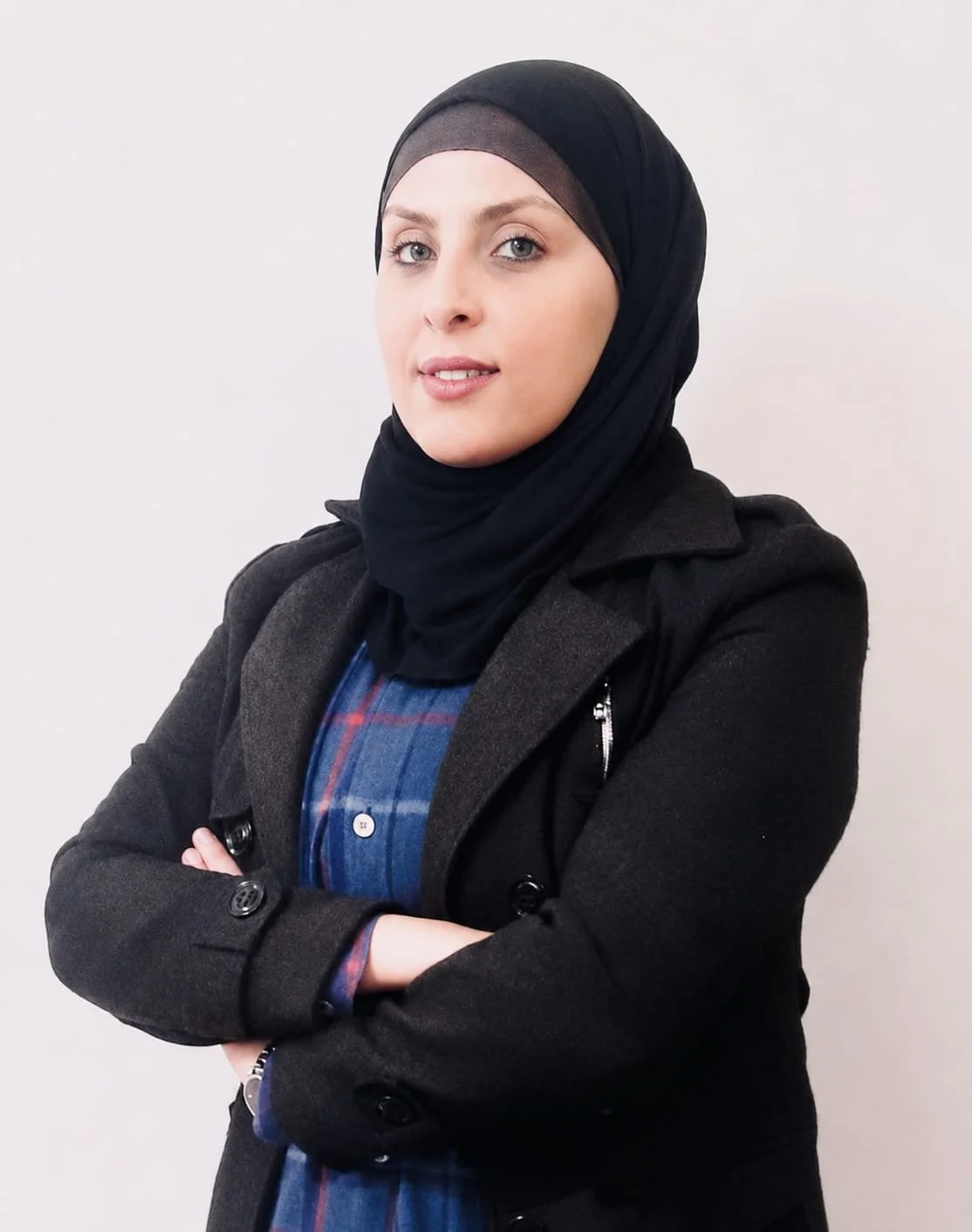
يجب أن نتجاوز مرحلة التحدث نيابة عن الناس لخلق الفرص لهم للتعبير عن أنفسهم. وينبغي لنا إشراك الأشخاص الذين عانوا شخصيًا من اضطرابات الصحة النفسية، والمتأثرين بتعاطي المواد المخدرة، والناجين من الصدمات والعنف، والأشخاص ذوي الإعاقة، والشباب، والنساء، والمجتمعات المهمشة، بشكل فعال في تصميم السياسات والبرامج وحملات الدعوة. ويجب أن تكون مشاركتهم آمنة وذات مغزى ومراعية للثقافة، مع توفير الدعم المناسب والسرية وحمايتهم من الوصم أو التمييز. كما ينبغي لنا العمل مع المنظمات غير الحكومية المحلية والمنظمات المجتمعية التي تفهم الواقع الميداني، لا سيما في المجتمعات المتأثرة بالنزاعات والمحرومة من الخدمات. والأهم من ذلك، يجب الاعتراف بالأشخاص الذين عاشوا هذه التجارب كشركاء متساوين وصانعي قرار، وليس مجرد مستفيدين، لضمان أن تؤثر أصواتهم على السياسات وأولويات التمويل وخدمات الصحة النفسية التي تؤثر على حياتهم.
Rima Saad, Nusroto Al-Anashid Association - Member of the Regional Coalition
Reflections from Pakistan
Hear from Hashaam Akhtar, Fatima-Jinnah Women University and The Lord Sarfraz Foundation - Environment and Mental Health Thematic Lead
Reflections from Egypt
As Thematic Lead for Mental Health Financing within the WHO EMR Regional Coalition for Mental Health and Substance Use Prevention, I believe that meaningful advocacy must begin by listening to the people and communities most affected. We must actively involve people with lived experience, service users, caregivers, and marginalized communities in shaping priorities, policies, and funding decisions, ensuring their voices are represented in every stage of the process. Through inclusive collaboration, community engagement, and evidence-informed advocacy, we can identify gaps in mental health services and promote equitable, sustainable financing that responds to real community needs.
We must also create safe and accessible spaces for participation, recognize the diversity of experiences across the Eastern Mediterranean Region, and ensure that people are not merely consulted but have genuine influence over decisions that affect their lives. Ultimately, amplifying their voices means transforming their experiences and priorities into concrete action, fair resource allocation, and accessible, rights-based mental health services for all.
Nada Elmoazen, Comprehensive Association for Psychological & Social Crisis Therapy - Financing Thematic Lead
“I'm Ahmed, from the Youth Council of the World Health Organization, Eastern Mediterranean Region. Through my work as a mental health specialist, we help people, especially young people, share their own mental health experiences. There is no health without mental health. We all need to take part, and we all need to speak with one voice for better mental health.”
Ahmed G. Sallam, WHO Youth Council for the Eastern Mediterranean Region - MHPSS Thematic Co-Lead
Reflections from Morocco
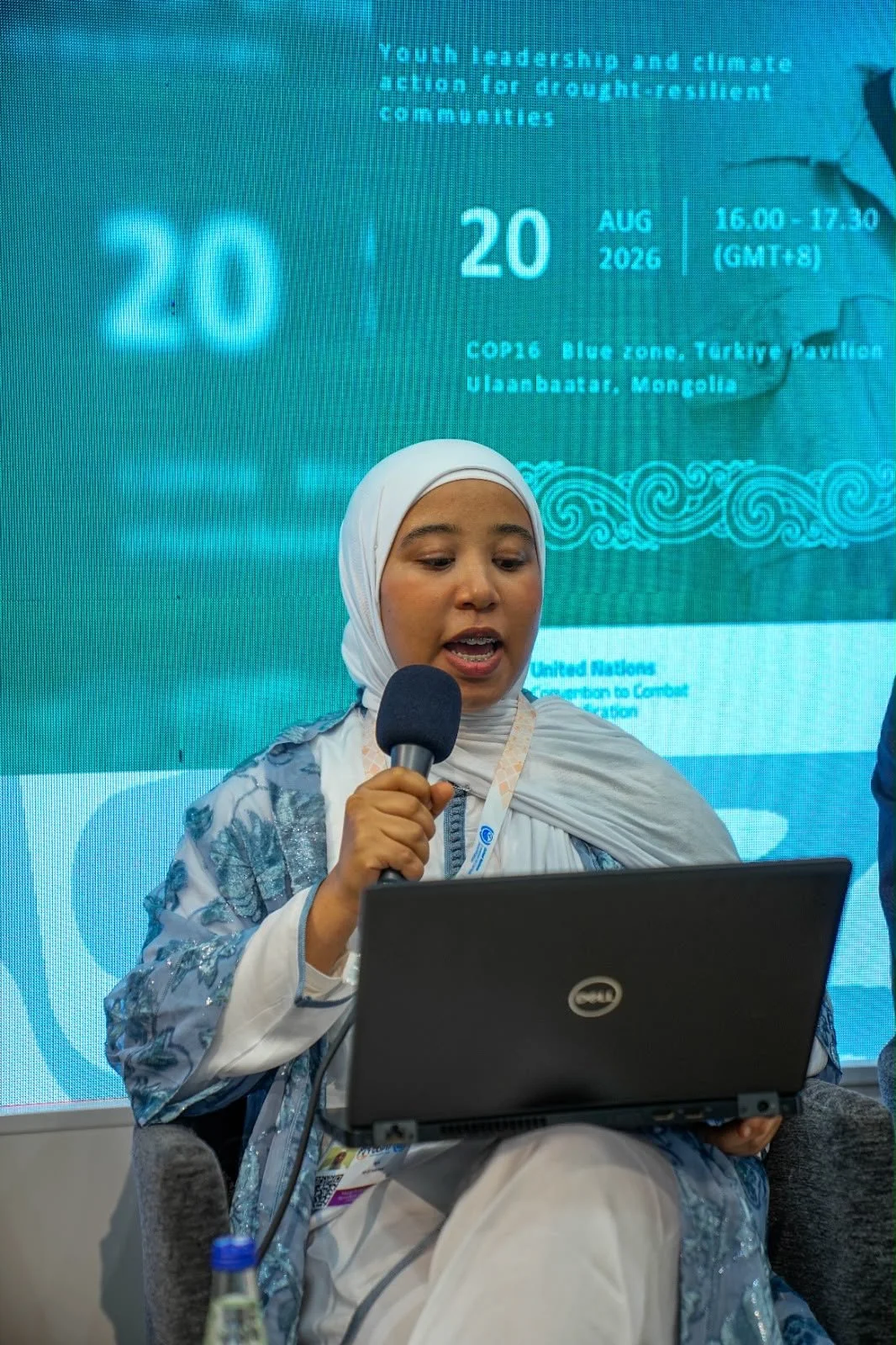
To ensure the voices of those most affected are heard across the Eastern Mediterranean, we must involve people with lived experience in designing policies and programmes, not just invite them to speak. Their perspectives must shape decisions, with organisations held accountable for turning listening into meaningful action.
Aya Ait El Madani, Global Mental Health Action Network - Environment and Mental Health Thematic Co-Lead
WHO Eastern Mediterranean Regional Office
Make your voice heard!
How do you ensure lived-experience voices are heard and drive real change in your work and advocacy across the Region?
Complete this form and let us know!