4th Global Mental Health Advocacy Forum Impact Report
Reimagining Global Mental Health: No Voice Left Behind, Iloilo City, Philippines - February 2026
Why this Forum exists
The Global Mental Health Action Network exists to develop the world's capacity to advocate for better mental health for all. We do this through four pillars: we help our members advocate; we give them a global “home” to belong; we convene and support their campaigning; and we work to decentralise power in a sector that has been unequal for too long.
The Global Mental Health Advocacy Forum is the fullest expression of our mission in a single place and week. It is the largest gathering of mental health advocates in the world.
We hold it because we know that advocates become effective champions of change when they are given the right support, the right connections, and a genuine share of power. Our convening is how this support is delivered at scale.
So we judge our Forum’s success by what leaves the room and keeps moving: the collaborations, the funding pursued, the policies shifted, the institutions built, and the knowledge carried home. These are the things that feed our Network's goals.
This report is our account of what left the room after Iloilo. We think it makes a case not only for the Forum, but for the model of investment that makes work like this possible.
What the room felt like
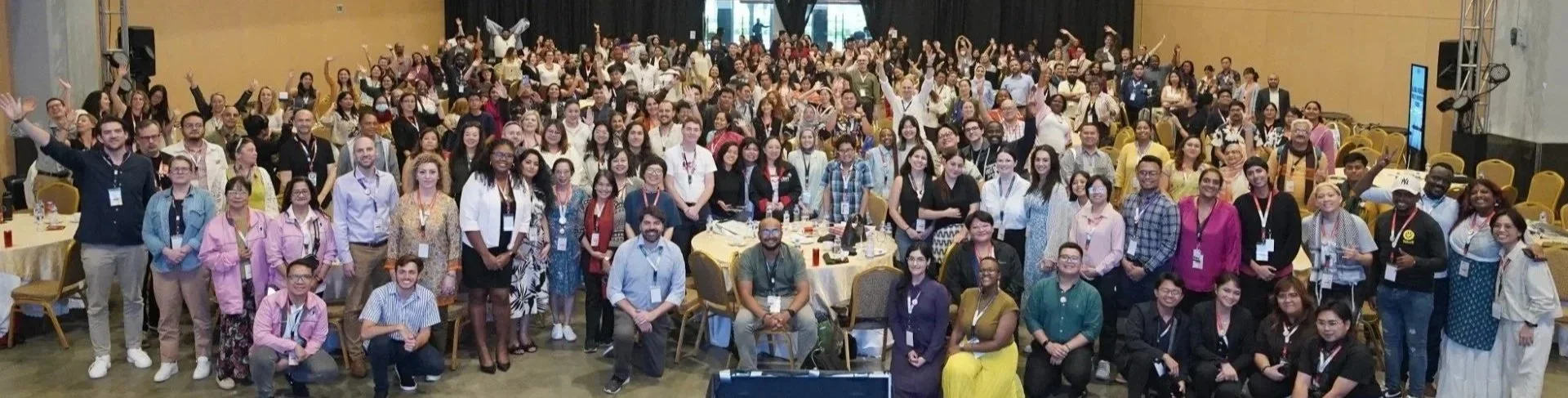
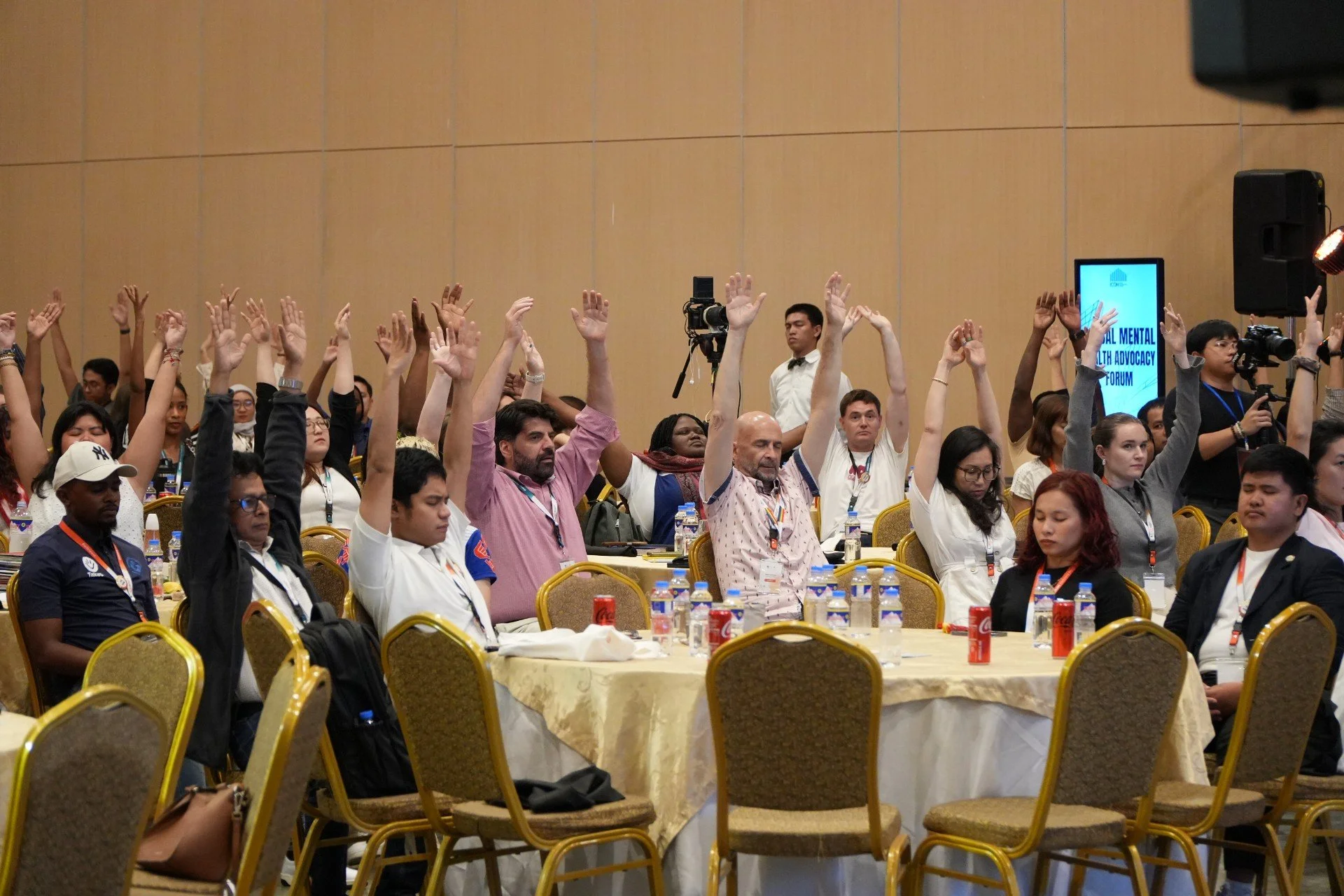
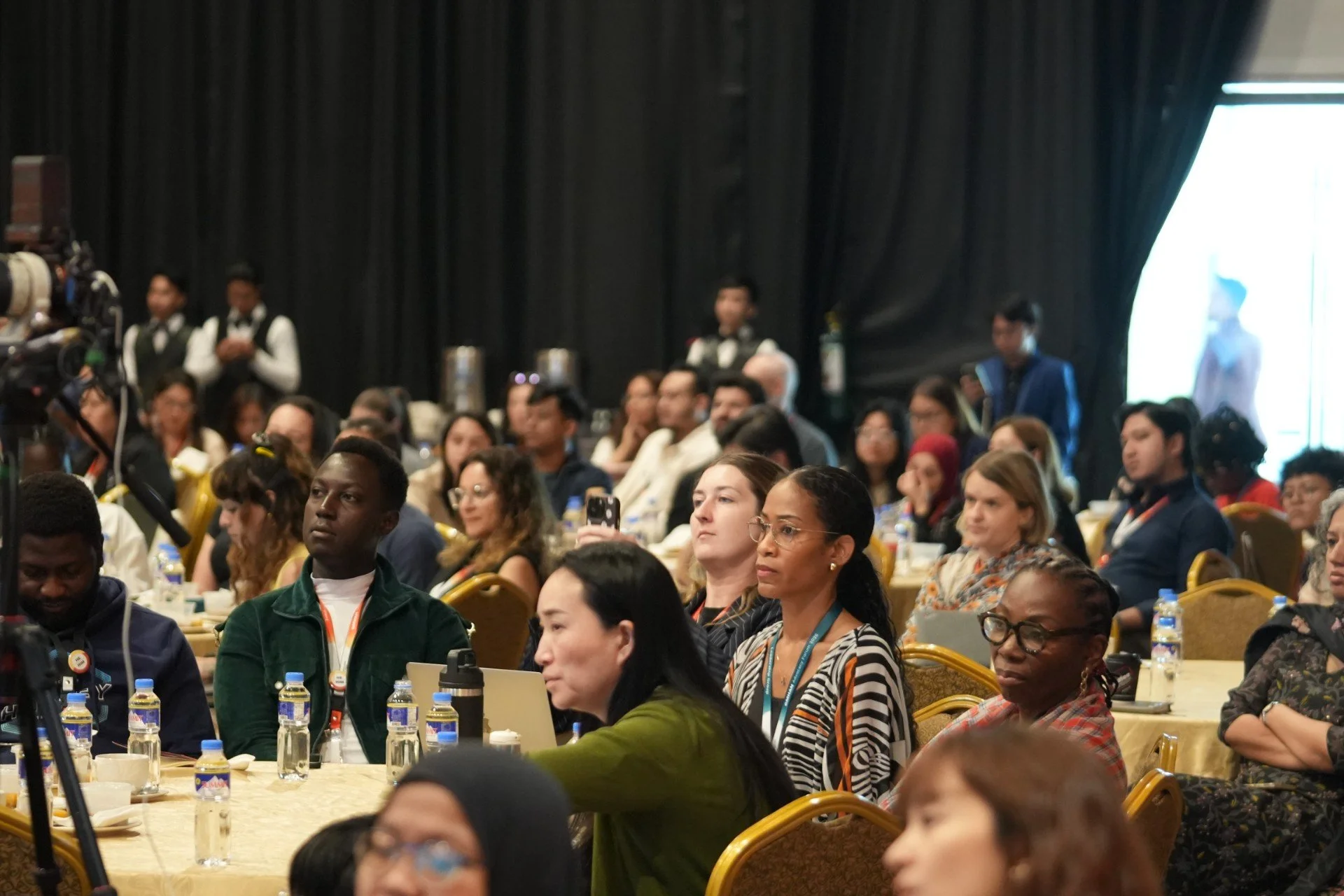
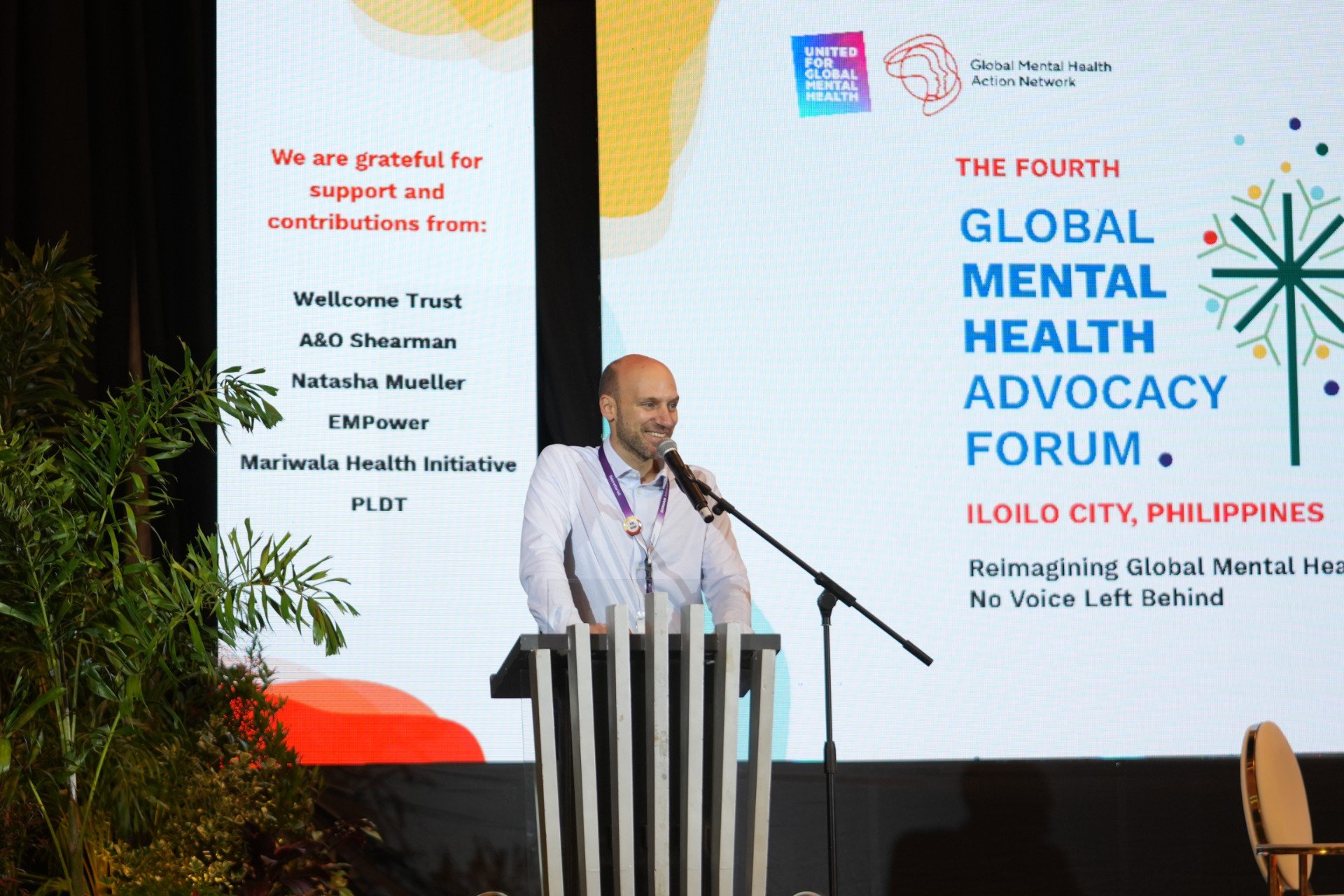
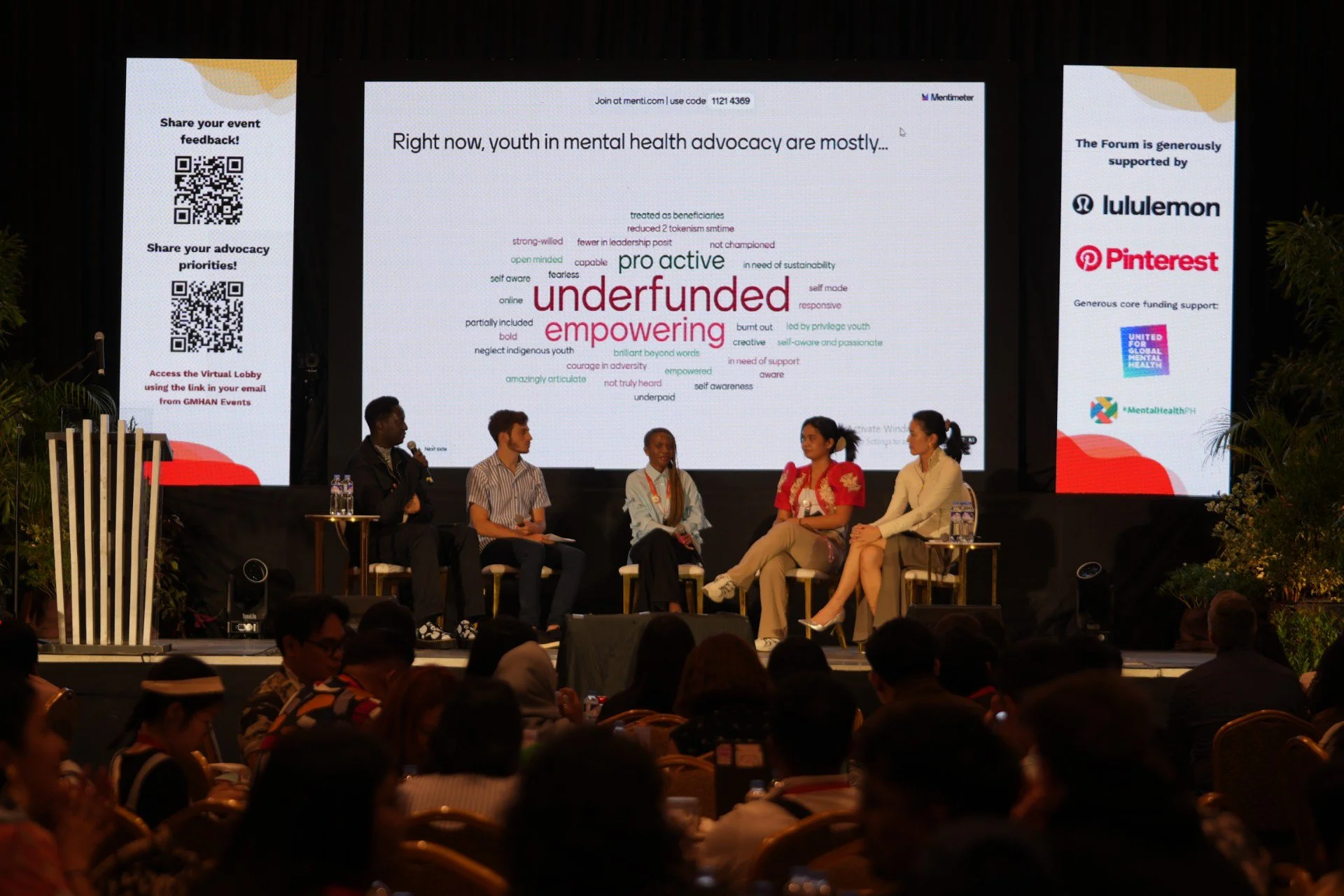
The Forum brought 350 advocates to Iloilo City in person from 75 countries, with 2,200 registrations from 130 countries joining online and live translation in more than 100 languages. Speakers came from 40 countries (and 64% of them were women and 5% non-binary). It was the largest civil-society-led mental health advocacy event of its kind, and it was named by the Segal Family Foundation the Top Nonprofit Mental Health Event of 2026.
Our evaluation was unambiguous:
97.5% of participants left satisfied or very satisfied.
100% felt they had the opportunity to engage.
More than 60% told us, before they had even left, that they were already forming collaborations.
The online community spent the equivalent of 100 days on our event platform.
Three themes ran through every session:
That mental health advocacy has to be grounded in power, history and lived reality.
That financing and organisational power must shift toward long-term, flexible support and paid lived-experience roles.
And that youth leadership and the inclusion of the most marginalised are the structural test of whether the evolution of the sector is working at all.
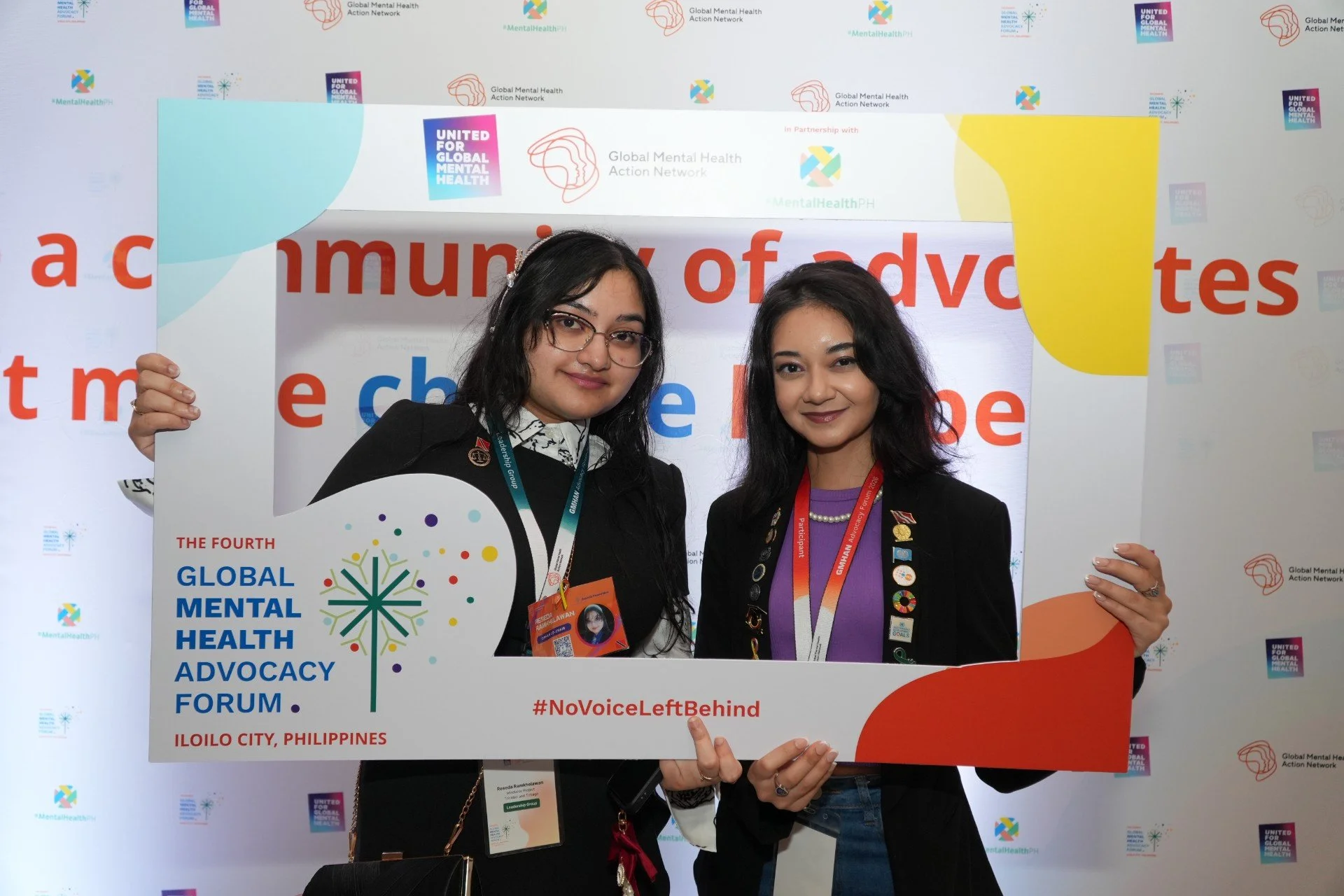
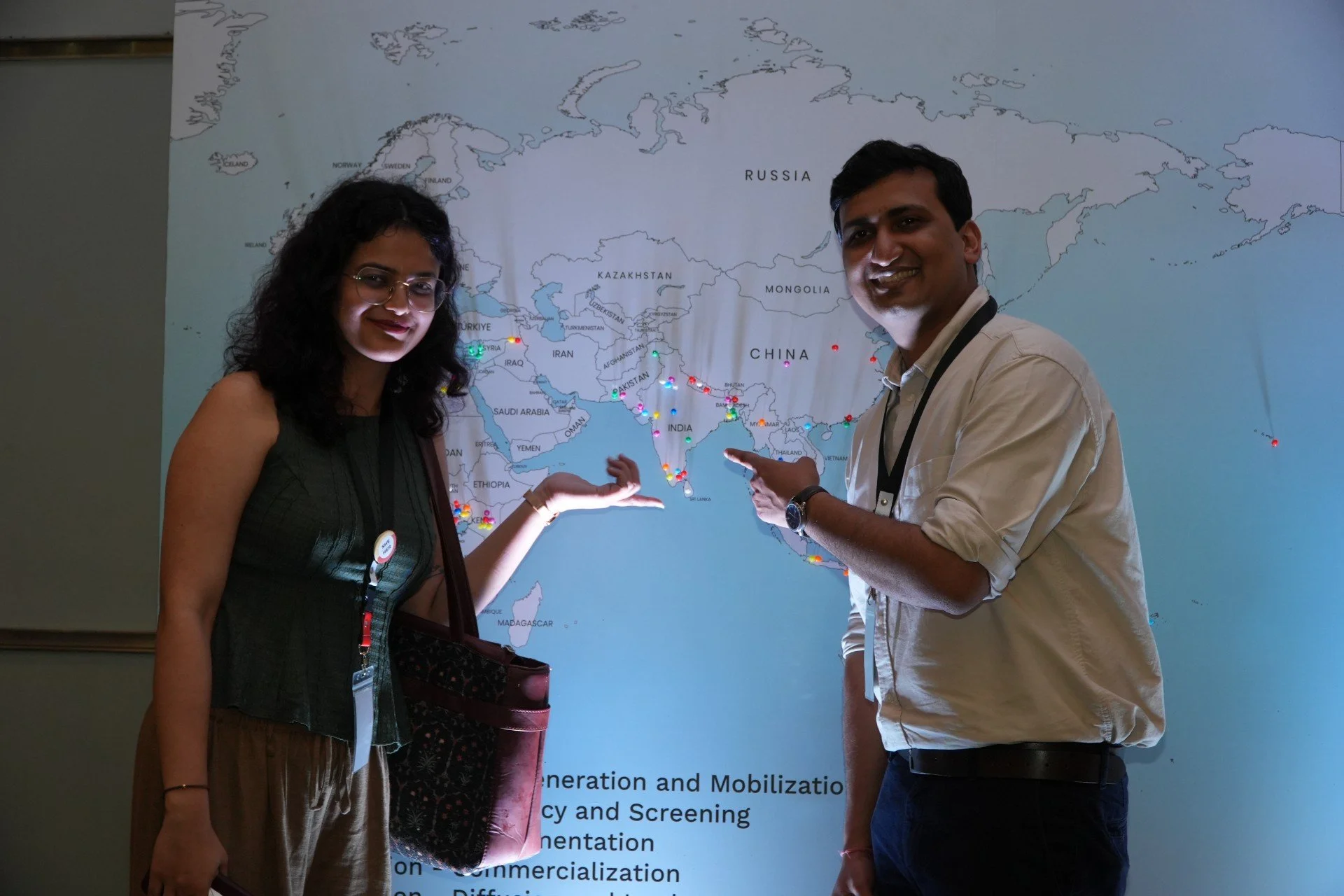
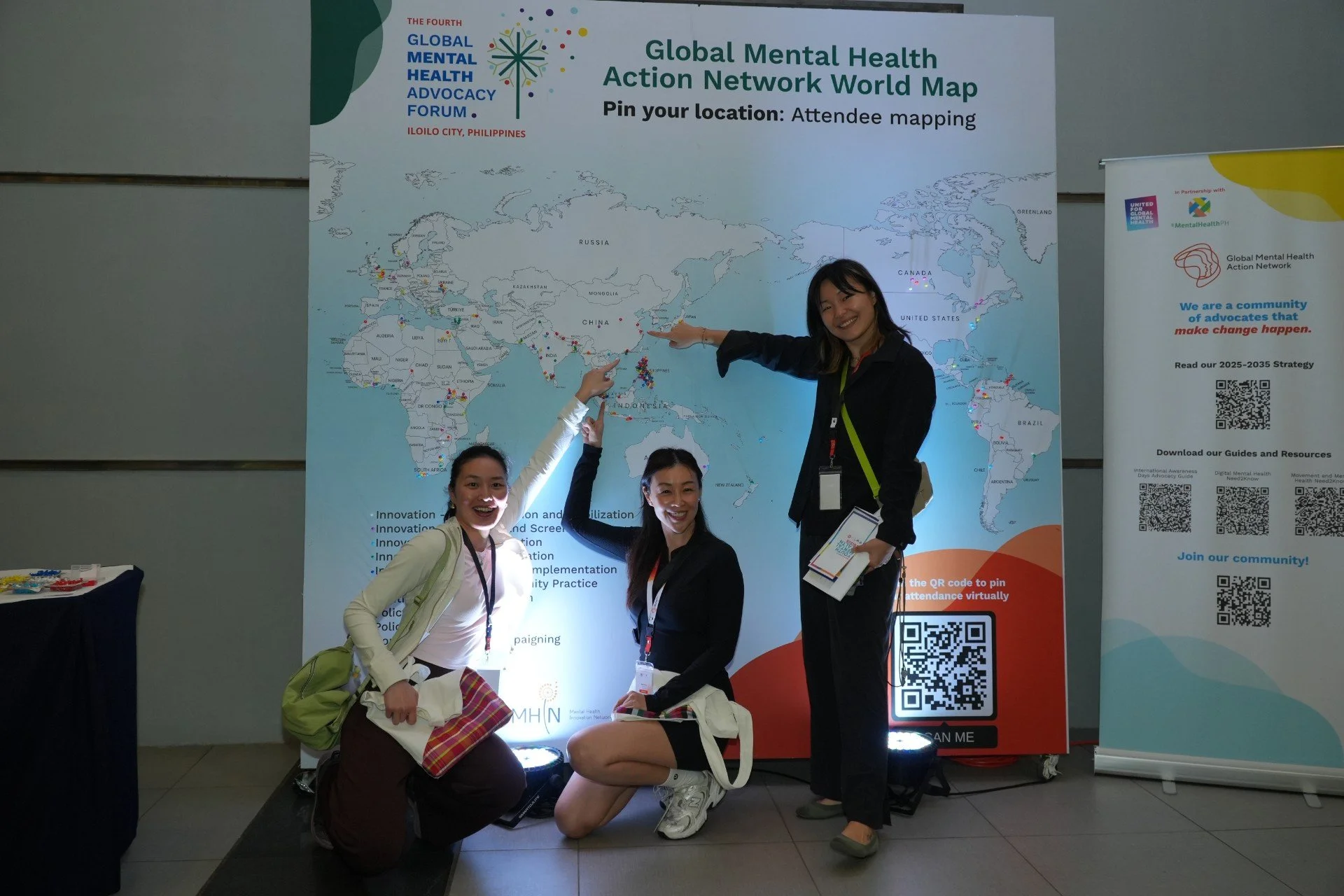
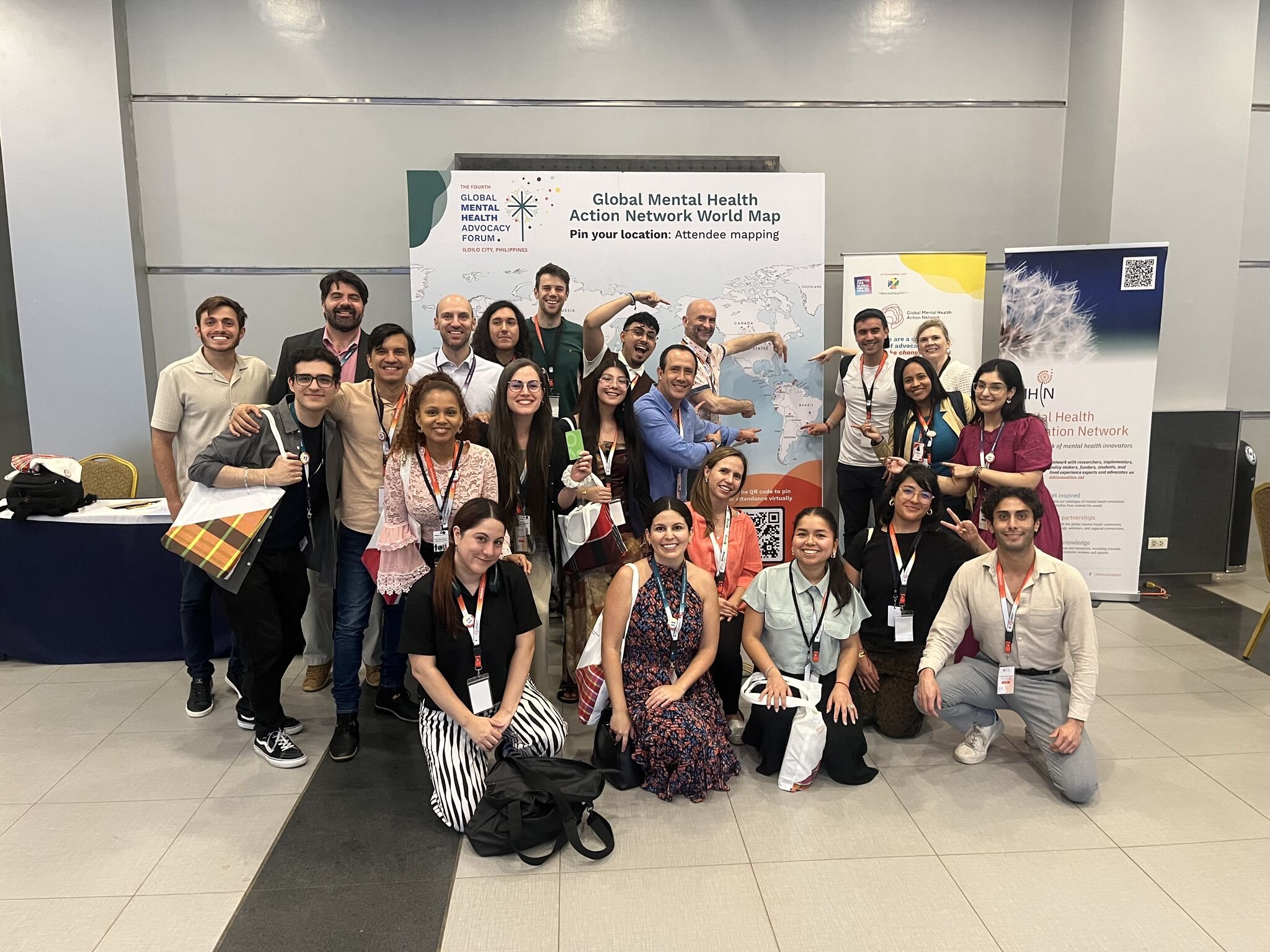
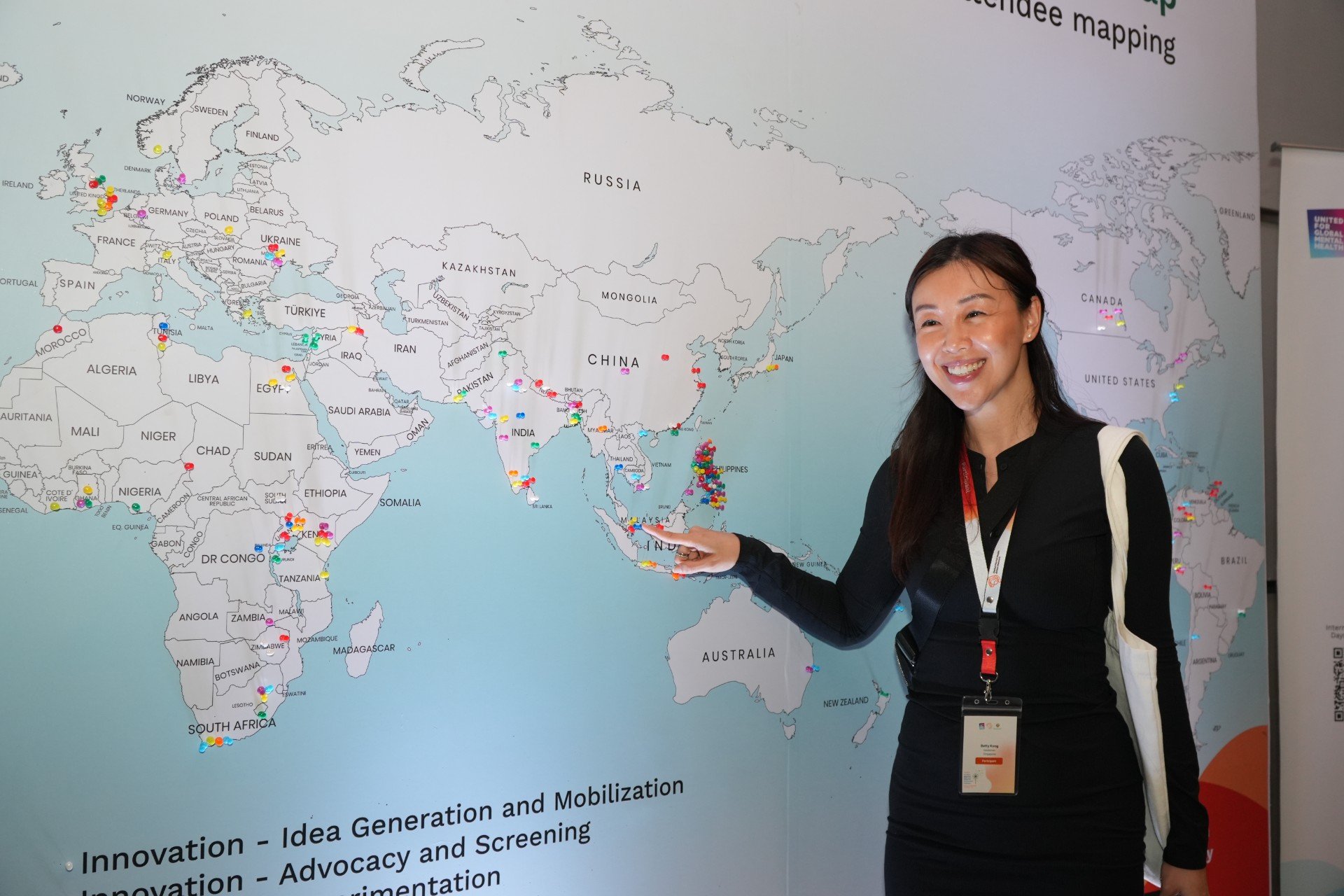

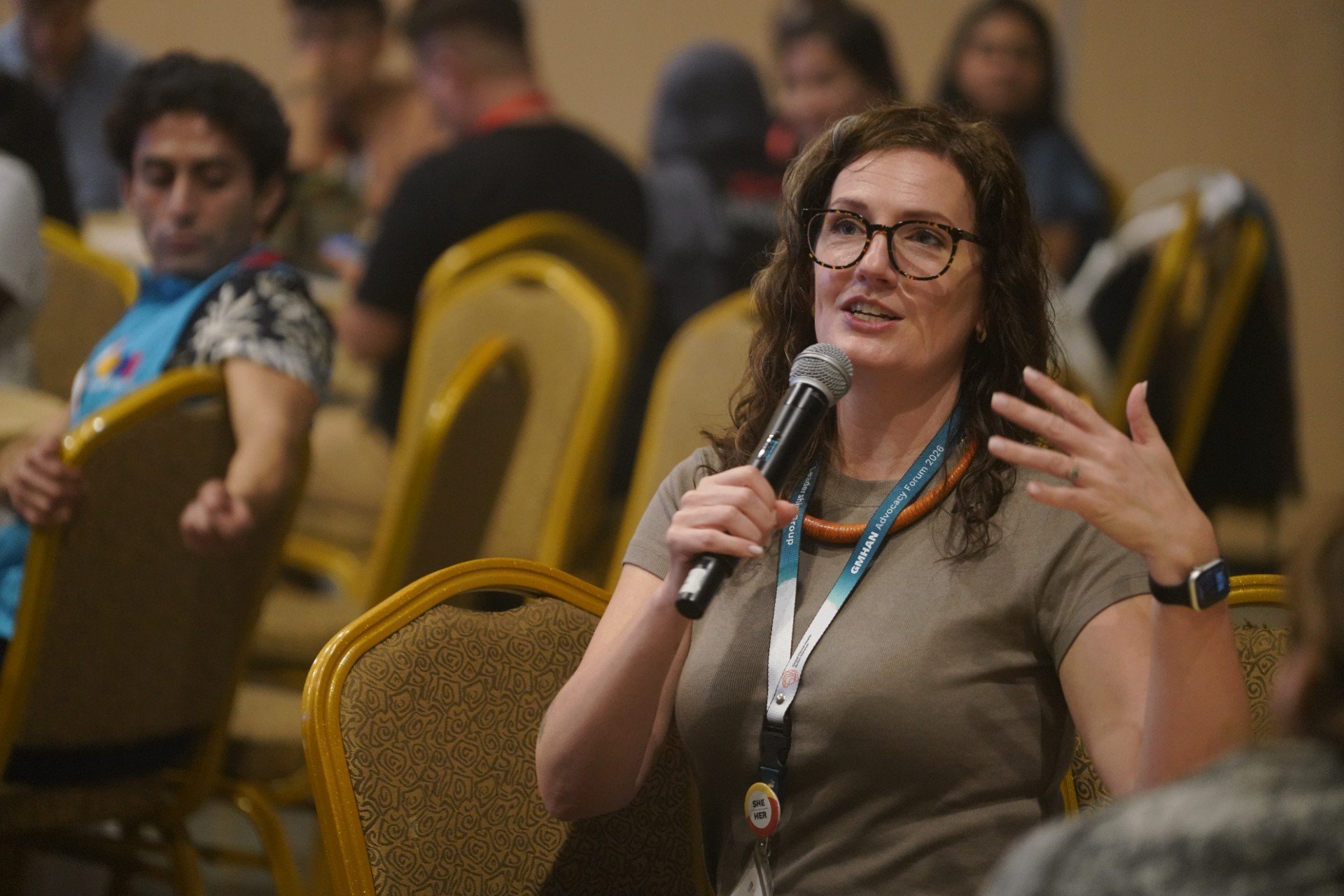
The survey results tell only part of the story. Many participants described the Forum as unusually collaborative and open.
“I'm struck by how this was unlike any conference I've ever been to. There was a willingness and collective desire to go beyond the surface.”
— Veronica, Canada
“I leave reminded that advocacy is not just about policies and presentations. It's about people. And the responsibility we carry to be there for one another.”
— Foday, The Gambia
“The community and family we have built through the Global Mental Health Action Network is something for which I will always be deeply grateful.”
— Lucero, Peru
“It was powerful to be in a space that centered lived experience leadership, and collaboration across regions and cultures, not just in theory, but in practice.”
— Chinasa, China
Our first impact report, published within days, captured what that room felt like. This one asks a harder question: what happened after everyone went home?
We asked participants at 30, 60, and 90 days after the Forum a single open question:"What actions have you taken since the Forum as a direct result of attending?" Their responses form the basis of this report and show how our participants translated those intentions into action.
A. Connections that became collaborations
130 new collaborations
The most common word in the responses was connection - the value of those connections lay in what followed. And it repeatedly did. The numbers reported to us are striking. One organisation in the UK reported ten new content collaborations and more than 25 follow-up emails from people it met at the Forum. An advocate in Kenya followed up with seven contacts across five countries. A single participant in the Philippines convened an entirely new working group - a cross-continental clinical and academic collaborative spanning the United States, Canada and the Philippines - which held its first meeting within weeks and moved straight to a funding proposal. In Latin America, advocates built a five-organisation coalition to carry mental health into national election campaigning.
Connection also travelled along regional and South-South lines that the global health structures too often neglect. Advocates activated a pan-African advocacy group to coordinate joint campaigning; focal points from African and Eastern Mediterranean regional coalitions connected to exchange strategy; partners across the Being Initiative’s network in 12 LMICs deepened their collaborations.
There is important learning and power in this creation of so many collaborations.
The global mental health sector is chronically fragmented. The same few, mostly high-income, organisations are called into global processes again and again, while smaller organisations - often those closest to the need, in LMICs - remain isolated from the conversations that decide their funding and their policy environment. A convening that produces 130 cross-border collaborations - most of them South-South - is therefore something that our global sector cannot structurally do on its own. Collaborations of this depth - coalitions, joint funding bids, shared working groups - require the trust that is built over time and through our slow work that makes our membership distributed globally and turned into an active, collaborating field.
B. Funding: doors opened, applications made
36 fundraising actions
After 90 days, the clearest financial impact was not grant income itself but improved access to funders, funding opportunities and new partnerships. This access is already converting into action.
Participants who met at the Forum from the Philippines fed directly into the national research council's pipeline with 20 mental health research proposals submitted for funding. Proposals spanned gender-based violence, LGBTQ+ mental health and online child protection.
A youth mental health initiative in India submitted a proposal to a Transition-to-Scale programme. Partners in Moldova and Central Europe submitted a joint funding application on advocacy and public opinion. At least six organisations have applied to the community grants programme of a corporate funder who attended the Forum - a direct line from a conversation in Iloilo to a funding pipeline.
Just as telling is what participants did with the Forum's fundraising content. The keynote by Kevin L. Brown on becoming "fundable and findable" led several organisations to revise their fundraising approach. An organisation in Uganda told us plainly: "Based on the fundraising session, we have now changed how we position ourselves." Others began making their work "more fundable by making it more findable" and rebuilt how they present partnerships to funders. In a sector facing international aid cuts, teaching advocates to reposition and collaborate may prove more durable than any single grant.
C. Policy and systems change
7 countries are seeing policy change in motion
Most policy change takes place over years rather than months, making a 90-day follow-up an early indicator rather than a final outcome. Yet participants set policy and systems change in motion at the Forum.
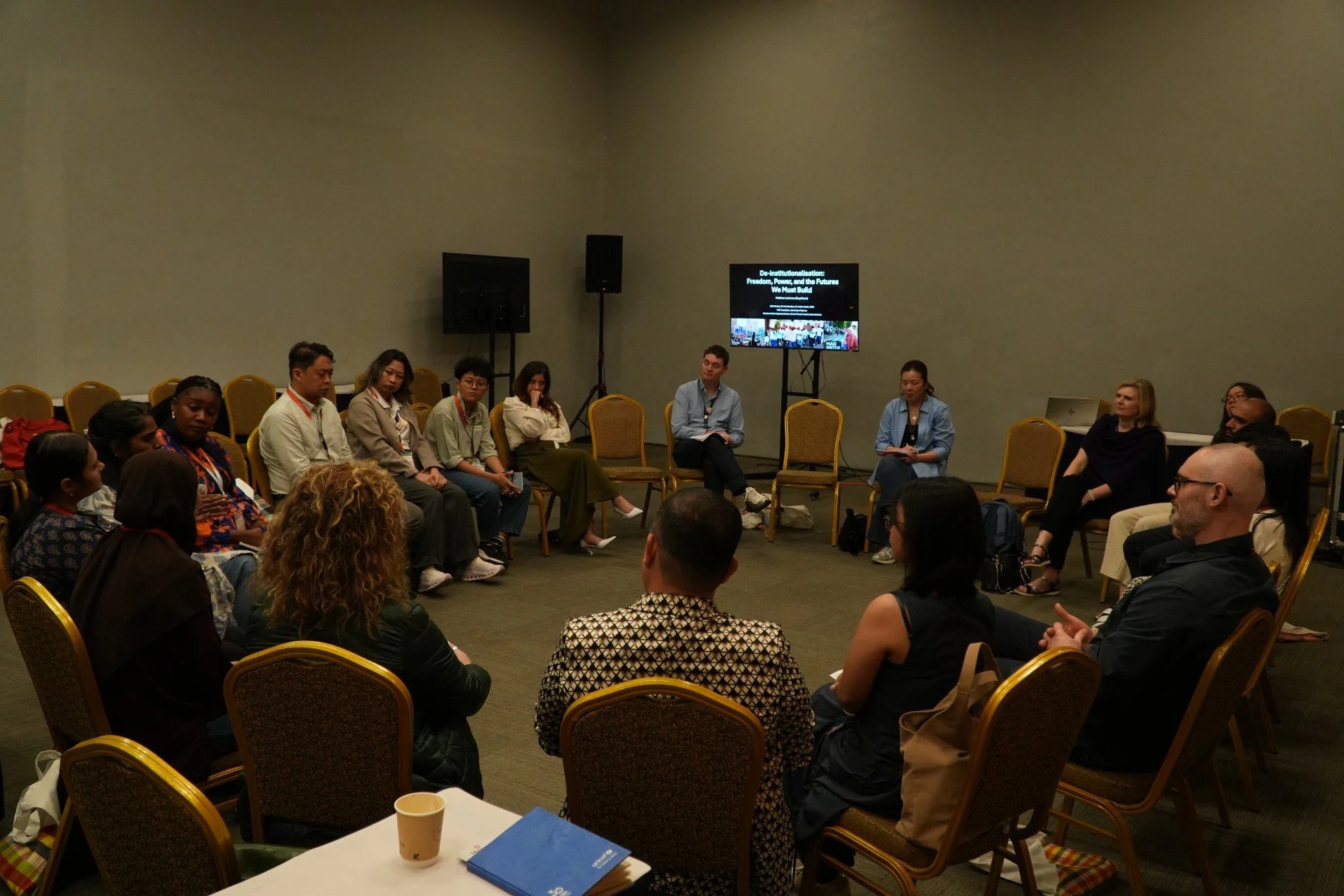
In Uganda, an advocate secured a meeting with the parliamentary secretariat to place Network priorities - including the decriminalisation of suicide - on the agenda of a forthcoming parliamentary mental health forum. In Tanzania, participants carried suicide-prevention and decriminalisation work forward across all three months: representing the Network at a national mental health summit, building a phased legal-reform strategy, and mobilising communities and member states toward a regional campaign. Deinstitutionalisation experts drafted a position paper and gave direct feedback to a new international guide.
The reach extends into national systems. In the Philippines, an advocate moved into the higher-education commission's campus mental health initiative, mapping a programme for expansion across a region. In Bolivia, an advocate joined her Ministry of Health's working tables for the 2026–2030 national health plan. In Moldova, dialogue is under way with partners on supporting national mental health service reform. In Malaysia, participants worked to advance social-work legislation and shape a government workplan. Across the Eastern Mediterranean, participants advanced deinstitutionalisation and anti-stigma work; in Egypt, Forum insights were folded directly into psychosocial support for a refugee mobile clinic.
Although these initiatives remain at different stages, each represents progress that participants attributed to relationships or ideas developed through the Forum.
D. New structures, built from scratch
5 new structures inspired
Some participants did not join existing work. They established entirely new initiatives.
As a result of learnings from the Forum, a holistic mental health centre is being scoped in a Lebanese governorate, in direct response to rising trauma among people affected by war, after an assessment revealed no specialised multi-service provision in the area. A faith-responsive mental health ministry has been initiated in Tanzania, rooted in community-led care. In Indonesia, an advocate is convening an interfaith consortium on mental health and suicide prevention, alongside a critical mental health reading club. In Zambia, a youth-led organisation launched an initiative linking chess to mental health in schools, aimed at adolescents. These are local answers to local needs, developed following discussions at our Forum, only as grassroots advocates can conceive and implement them.
E. Knowledge that travelled home
20 presentations to 1,300 partners
The key messages of the Forum spread far and wide into organisations, workplaces and communities that could not attend. Participants reported multiple presentations, seminars and talks drawn from the Forum or from the people they met there - reaching an estimated 1,300 or more colleagues, students and practitioners.
Crucially, several participants also reported changes to practice. In rural Colombia, Forum learning was written into referral pathways and psychological first aid protocols now used in the field, and into a sport-for-development curriculum, whilst a local “Mental Health Forum” is replicating the global themes and advocacy strategies. In Bangladesh, an advocate used resources from connections they made at the Forum to train counsellors in trauma-informed care for migrant workers. In the Philippines, teams committed to building psychological first aid and counselling skills among social workers.
This is how our Network facilitates global reach: not just in a room, but through everyone our members go on to reach. Within 90 days, our Forum participants carried the Forum to at least 1,300 more - a fourfold multiplication of the in-person cohort. This is important, because in our chronically underfunded sector, this acceleration in the spread of information and connections is unusually capital-efficient. And it is part of how our Network delivers global reach: not only through the people in a room, but through everyone these people go on to reach.
The model that makes it all work
At its core, there are four pillars that make our member-powered global Network actually work at this scale and depth of impact.
A - Advocacy: We enable advocates to influence key global structures and decisions, and to advocate on a national and global stage for what matters locally.
Because evidence shows that networks which are well coordinated and able to reinforce complex messages through simple information, are more effective in their advocacy.
B - Belongingness: We nurture community and provide a global “home” for mental health advocates and activists, often excluded from traditional power structures.
Because evidence shows that tightly-knit networks which have strong ties, exert greater influence on decisions related to health and wellbeing across to their peers and decision-makers within their circles of influence.
C - Convening: We use our global reach and networks to bring people and organisations together, and we support advocates to strengthen their skills, learning and awareness.
Because evidence shows that advocates can be strong adopters and effective champions of strategies, if given the right support.
D - Decentralisation of Power: We lead by example, hold the sector to account and champion diverse and culturally appropriate mental health leadership.
Because evidence shows that context-specific and locally-inspired leadership, is more effective in creating followers, adopters and new advocates.

What this tells us
Mental health advocacy remains one of the most under-resourced forces in global health. And yet, those of us working in this space know that it is one of the most productive and influential for improving mental health for everyone, worldwide.
A convening like this is expensive, and much of the cost is a deliberate equity choice. Bringing global-majority advocates into the room means covering travel, visas, and the real effects of exchange rates. Live translation in over 100 languages, full accessibility, and paid lived-experience roles all cost money. For us, these are not overheads to be trimmed; they are the price of a room that is not simply full of the people who could already afford to be there.
Working through a local event team, as we did with our partners in the Philippines, is the right choice. The benefits are real: local ownership, cultural fluency, and a legacy that stays in the host country. So are the costs: greater coordination complexity and a heavier capacity-building load, shared with partners who are doing this alongside their own work. We would make the same choice again.
Even measuring what happened is hard. Follow-up is voluntary, and response rates fall across the three waves. But we have unusually high rates of engagement in our work, because of our model of co-ownership that we build with our members. In a global system where many actors are pushing toward the same goals, we can honestly claim contribution, not sole causation - which is why we report conservatively and treat every number here as a floor. The real impact is almost certainly larger than we can document.
Our Network gave advocates a room built on safety, trust, lived experience and genuine power-sharing, and they did not simply leave inspired. They took action. Submitting proposals, changing legislation, building institutions, repositioning their organisations, and connecting others who were never in the room at all.
What's next: the road to the next Forum
The value of our Forum will be decided in the months between now and the next one. Our priorities for the coming 6–12 months are concrete:
Sustain the 130 collaborations through our online community, Working Groups and Short-Term Action Groups, so that connections made in Iloilo do not cool between convenings.
Convert the funding pipeline, tracking the applications already in motion and helping members turn Forum access into secured, multi-year income.
Track the policy processes, and back the African advocacy community as it works toward the Global Mental Health Ministerial Summit in Rwanda.
Deepen conversion in under-activated regions, so that representation translates into follow-on action.
Resource lived-experience and youth leadership as paid, structural roles rather than goodwill.
Beyond that, we are building toward the next Forum. We will carry our model on the same principles again, and aim to further scale representation and impact.
The outcomes in this report belong to the participants themselves. The Network's role is to maintain the relationships and infrastructure that make this work possible between convenings. It is also to keep the connective tissue alive between convenings, so that a conversation in February is still generating collaborations, funding applications and policy movement in July, and beyond.
The Convention Center in Iloilo has emptied of mental health advocates. The work we started still goes on.
“Power becomes meaningful only when it is collective, accountable, and tied to action.”
Help us keep it moving.
Get in touch to support our work.

The Forum was generously made possible through the support of our donors.
Major Contributors


We are also grateful to generous core funding support from:


We are thankful for additional support from organisations and individuals whose contributions helped enable participation and provided resources for sessions and materials, including: