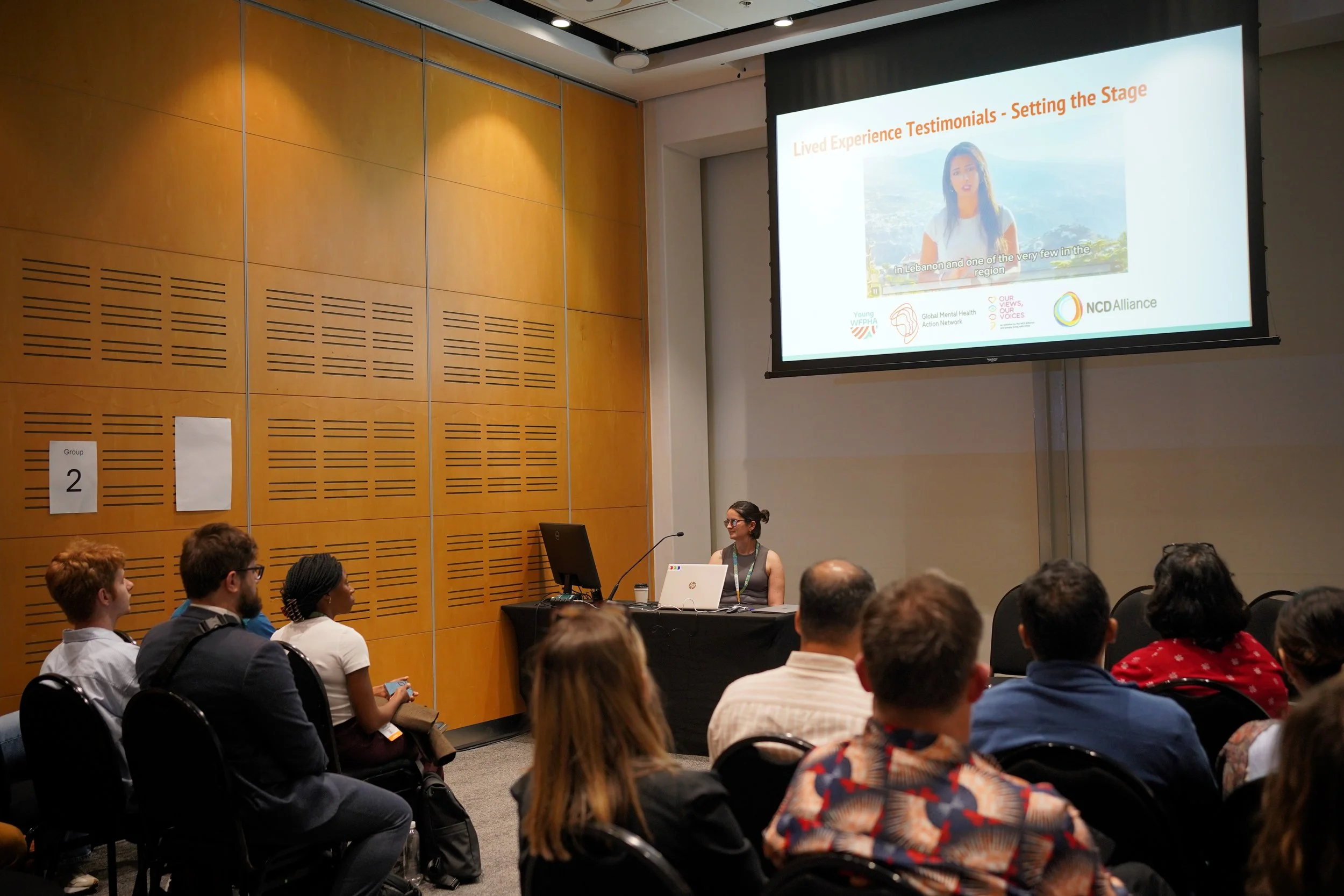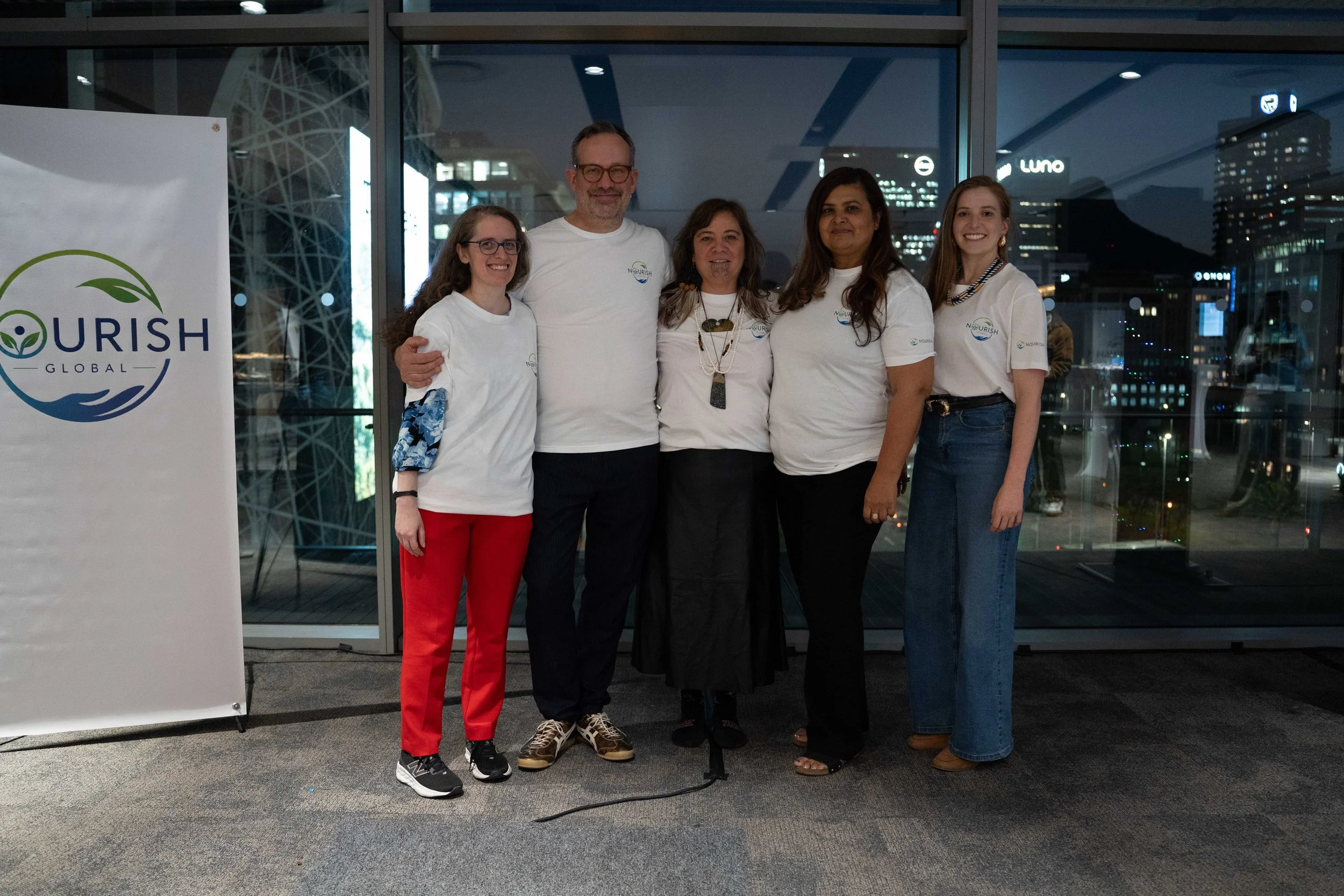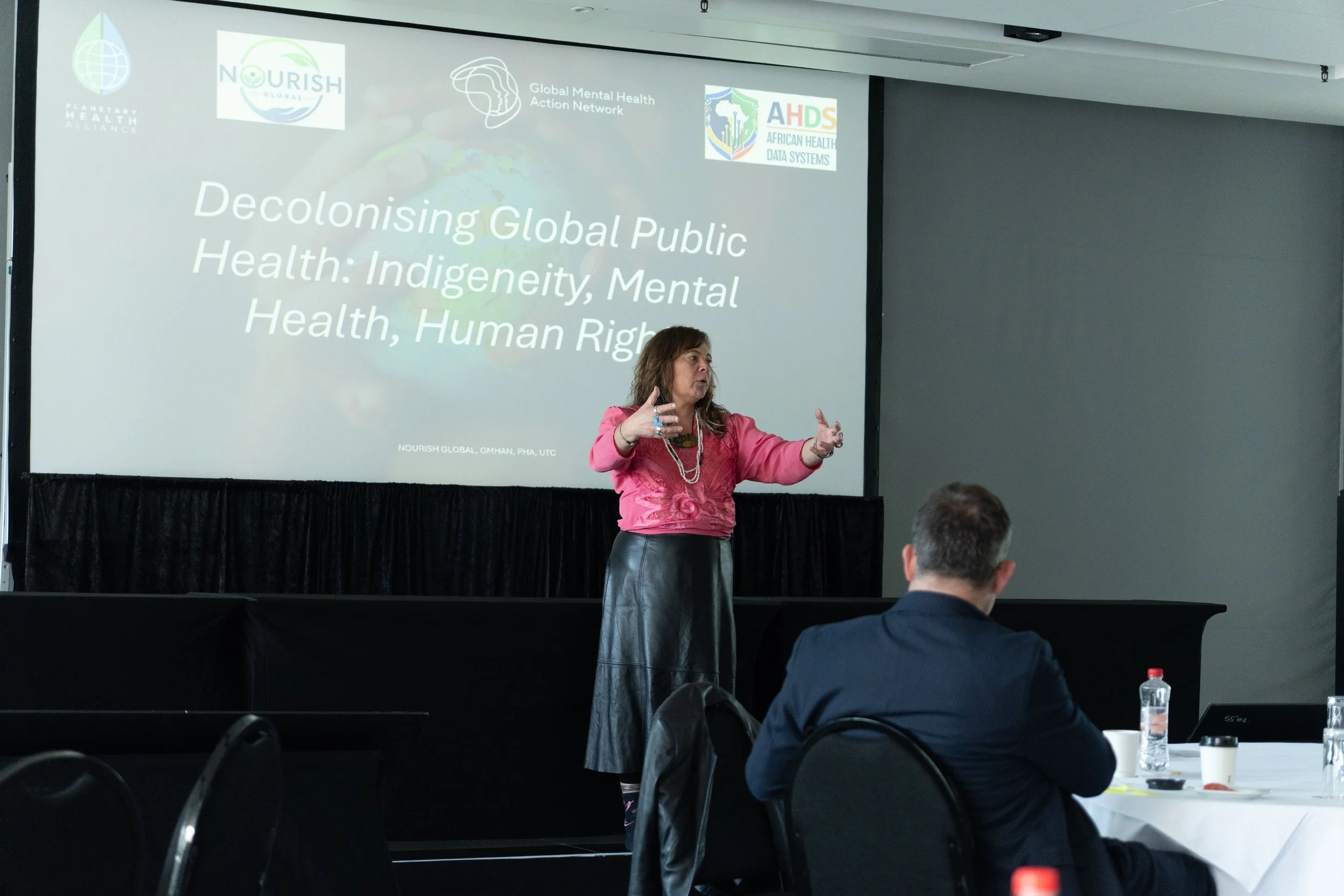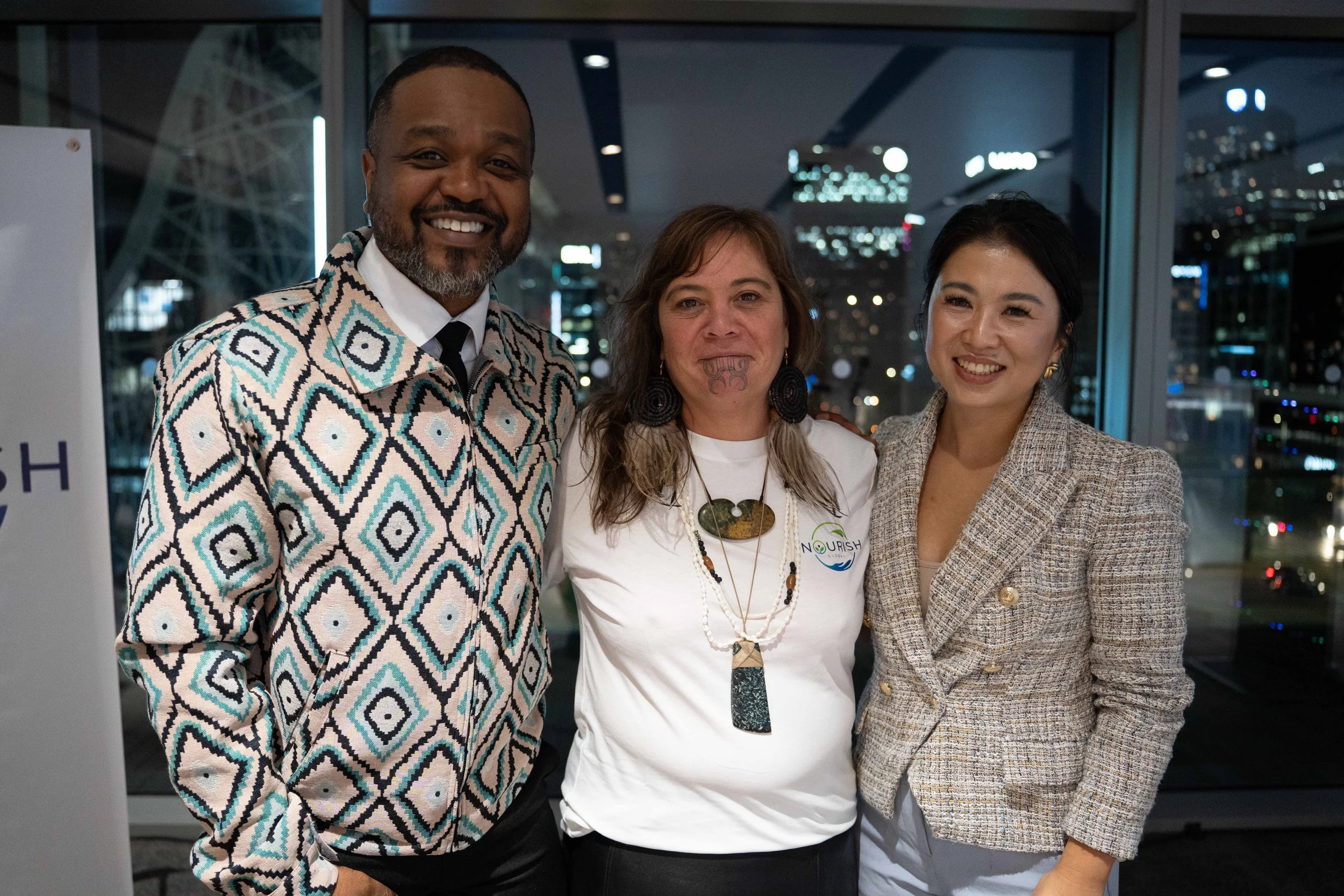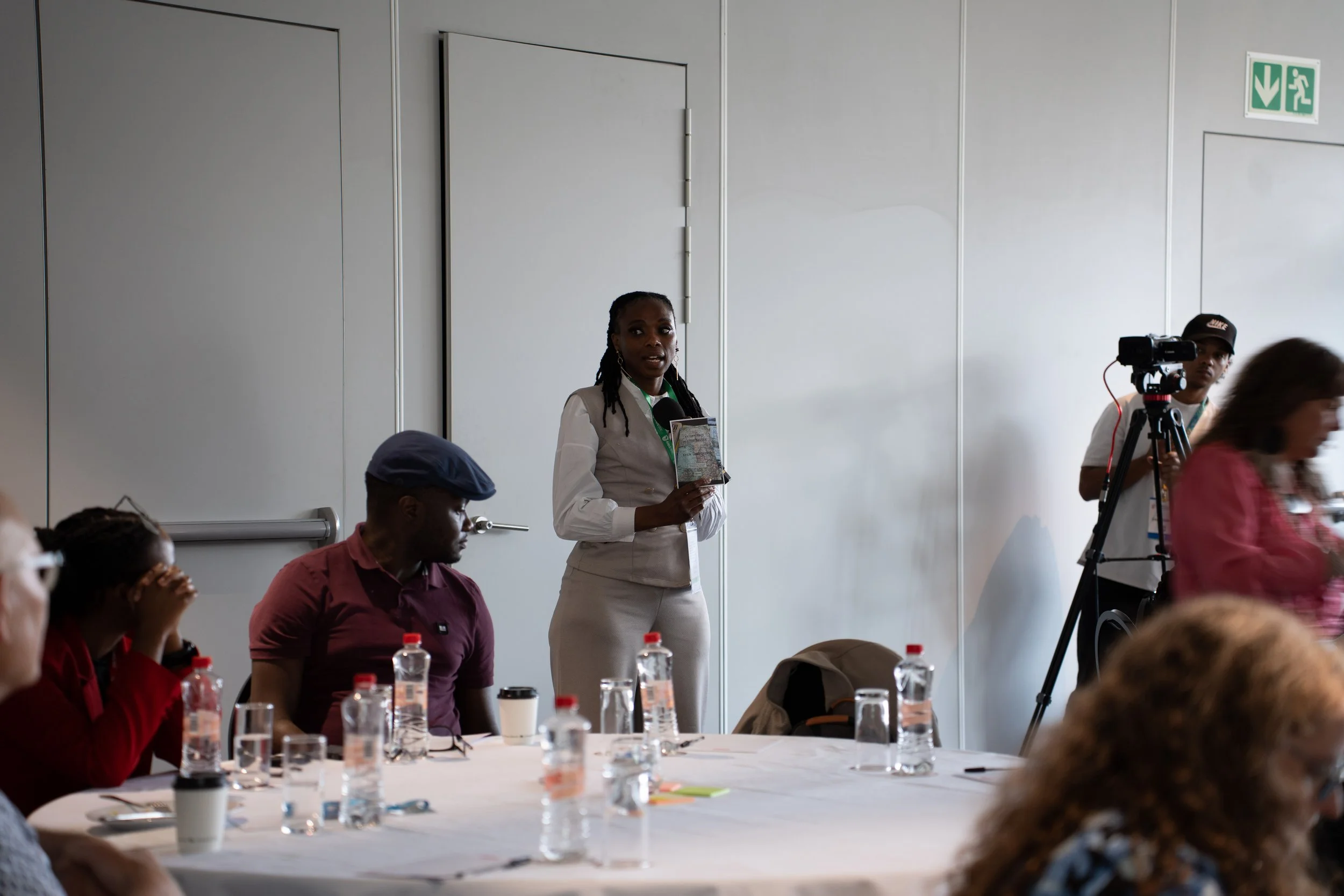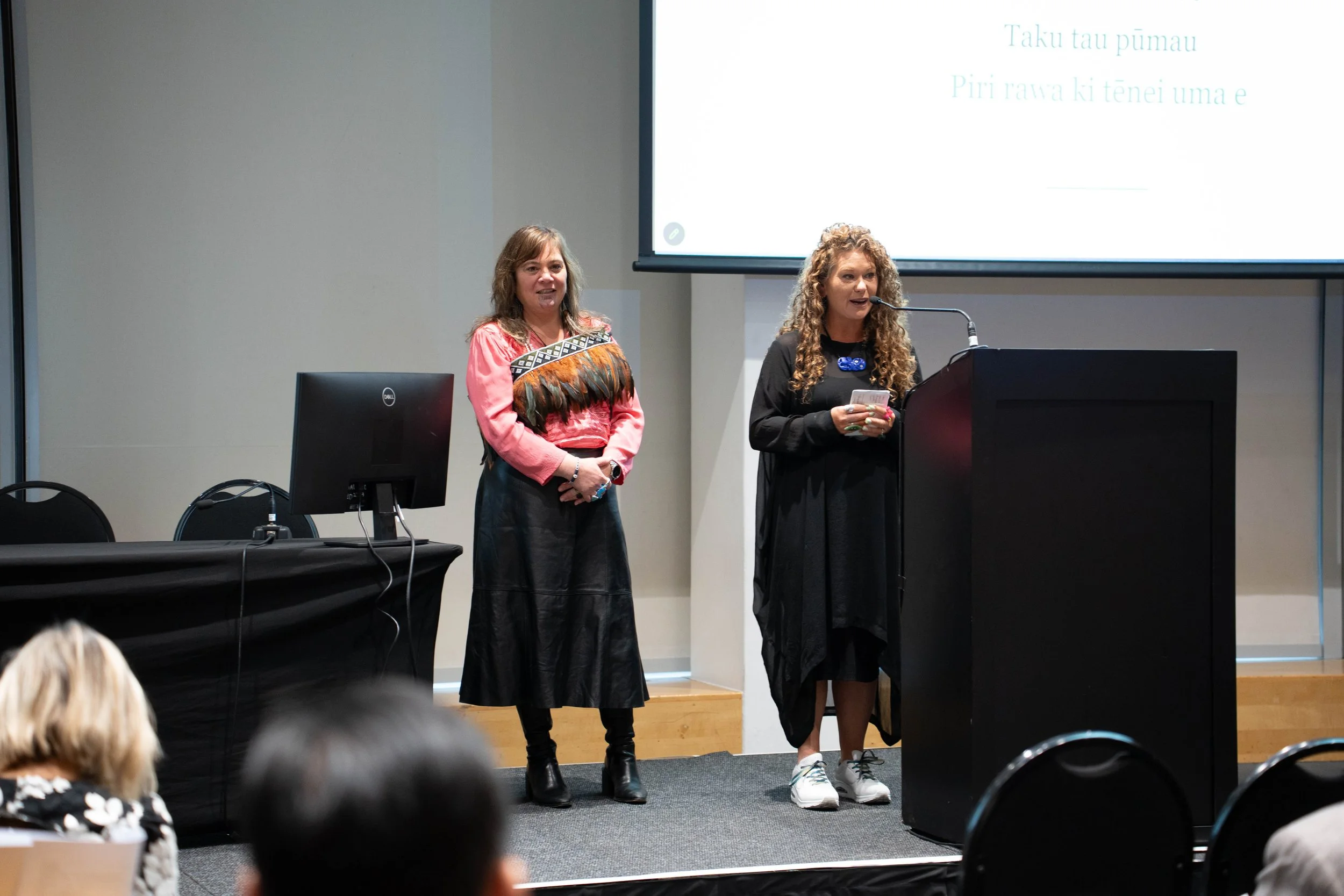
Lived Experiences Heard: Real Voices, Real Change
Eastern Mediterranean Coalition for Mental Health and Substance Use Prevention
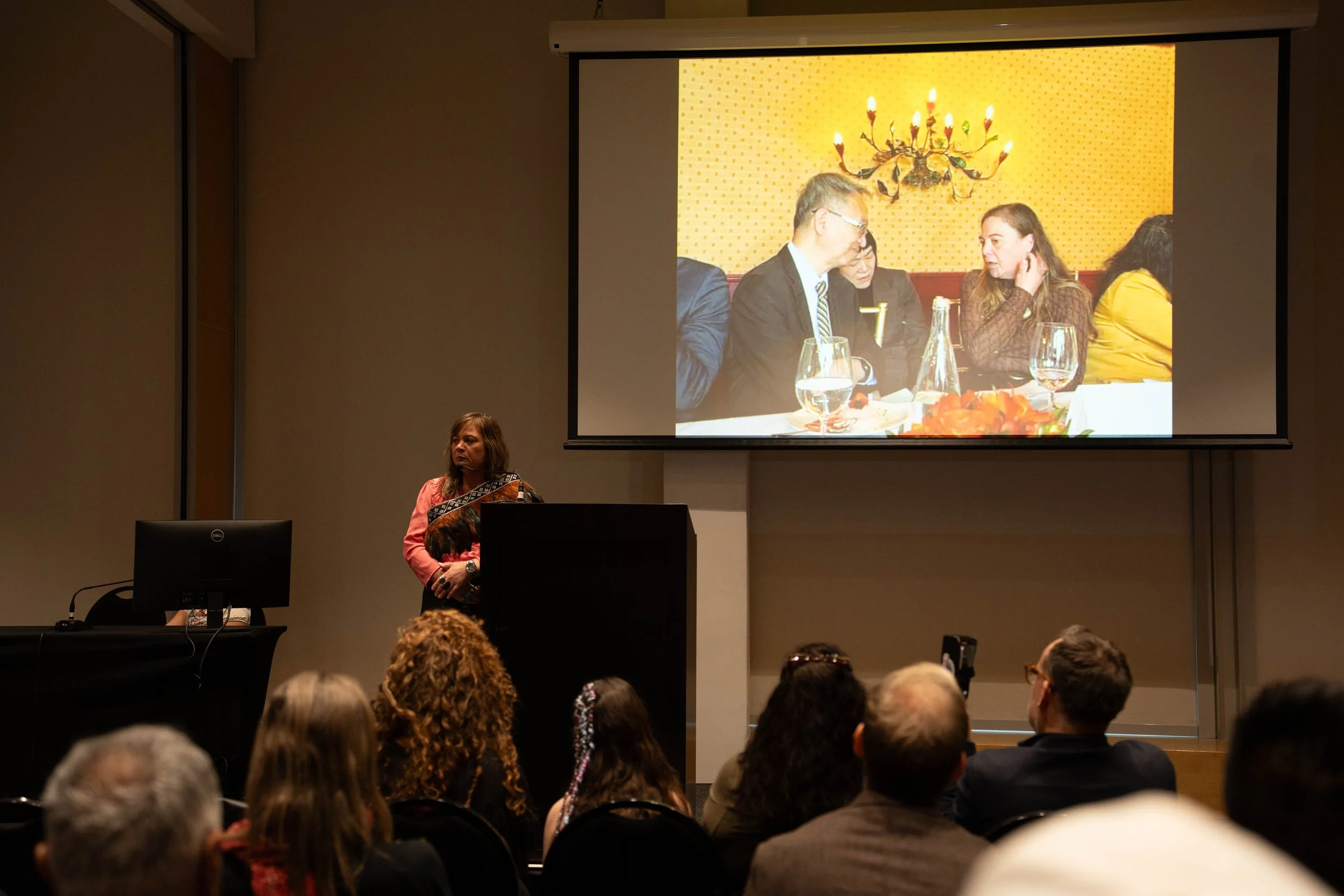
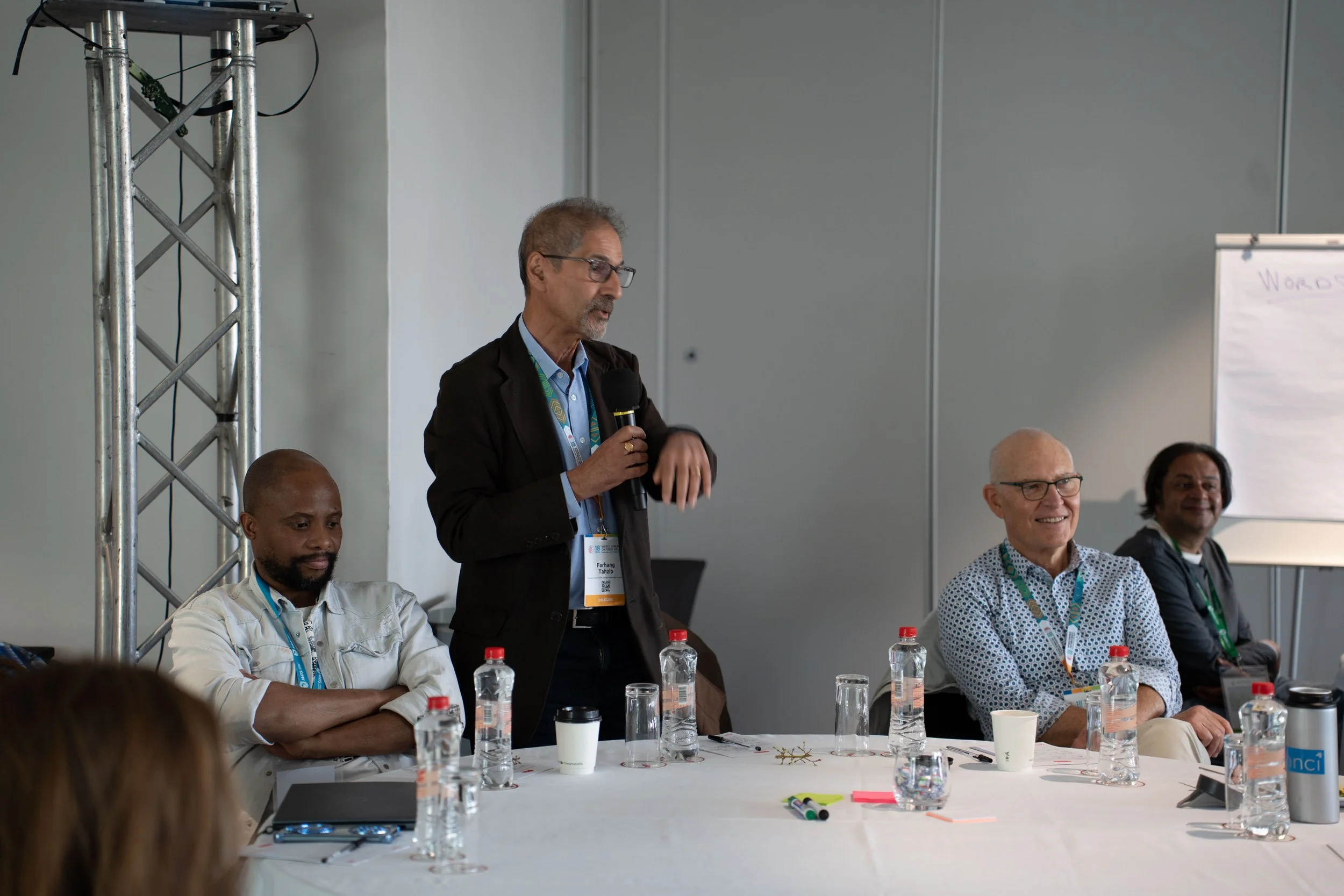
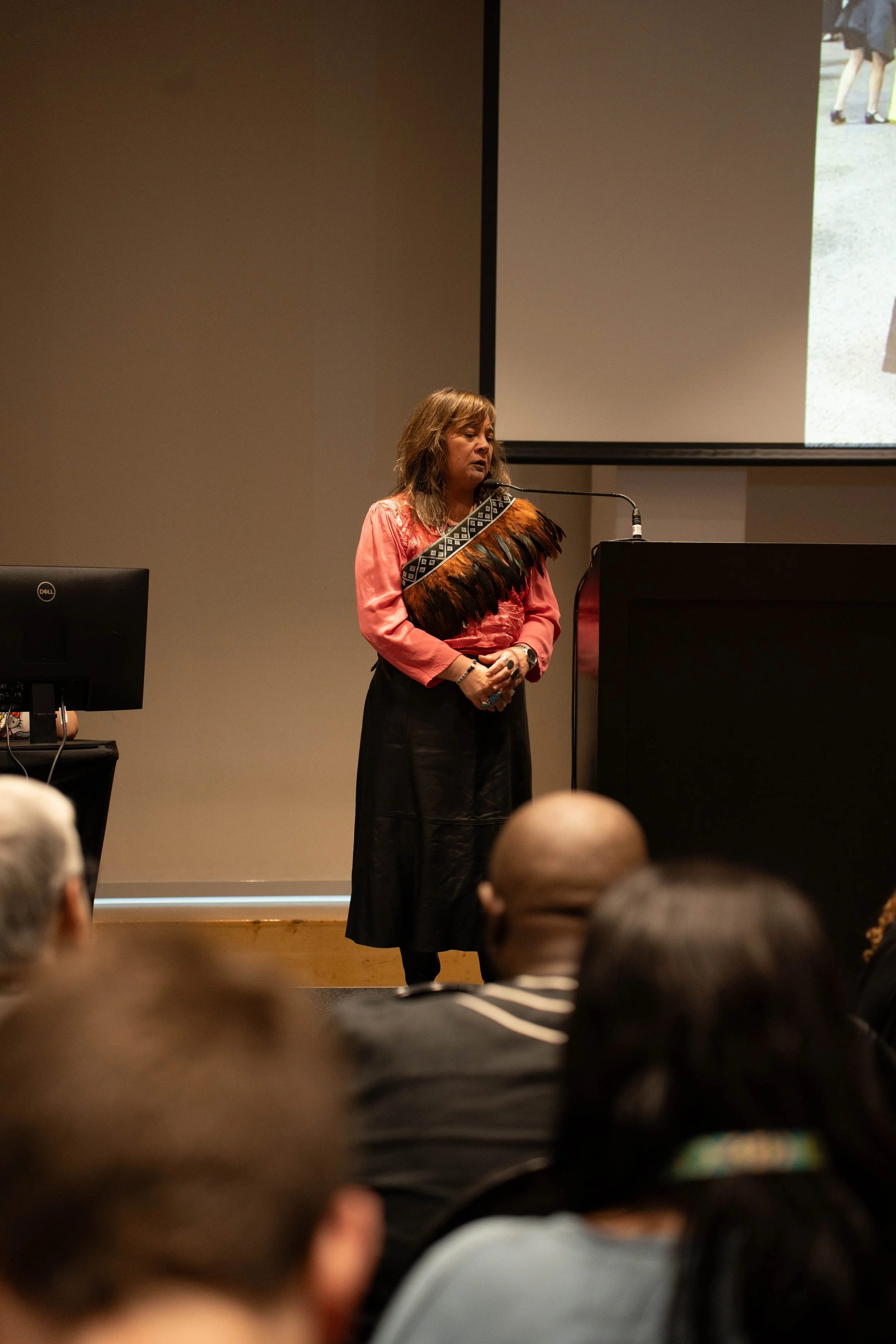
Global launch event at the World Congress for Public Health 2026
ABio-medical/non-Indigenous models of health practice frequently overlook and undervalue the role of culture, spiritual connection, community, land, and identity, and operate in vertical or siloed systems. This initiative will establish a dynamic ecosystem connecting partners across multiple sectors, including mental health, public health, planetary health, education, socially responsible business, Indigenous-led networks and more. Together, we will build consistently connected, equitable, and culturally grounded systems of promotion, prevention, and care. We will develop and demonstrate equitable governance, policies and practices able to implement action and promote wellbeing and self-determination at all levels as the critical foundation for flourishing people in thriving societies for all.
Background
This short-term action group (STAG) is a two-year, globally coordinated programme designed to build the operational vehicle and functions to strengthen equity and human relationships across existing networks. We are creating a “home” for networks within existing global entities to foster reciprocal, multi-sector collaboration. We will bring together voluntary members, fellows, interns and others to advance approaches that prioritise equity for Indigenous people and systems transformation for all.
Complete the form below to express your interest in joining this group. Official registration will open shortly.