
World Mental Health Day - Funders Spotlight
This year’s World Mental Health Day (WMHD) theme, "Lived Experiences Heard: Real Voices, Real Change," is a crucial moment for our network to champion people with lived experience as the experts who must shape mental health priorities, policy, and practice. Adequate financing is fundamental to translating lived experience interventions into real-world reality and sustainable impact. We extend our deepest, heartfelt gratitude to our generous donors whose unwavering support makes this vital work possible.



01
03
Key Takeaways
04
Centering Lived Experience:
Donors emphasize that individuals directly affected by mental health challenges—including people with lived experience, mothers, and young people—must be at the center of research, policy, and practice to ensure real-world impact.Moving Beyond Passive Listening:
Meaningful participation requires creating genuine opportunities for involvement, leadership roles, fair compensation, and active influence over decisions rather than simple consultation.02
Targeting Under-Resourced Gaps:
Responses highlight critical, often overlooked areas such as maternal mental health and youth wellbeing across diverse or lower-resource settings.Long-Term Commitment and Flexibility:
Achieving systemic change requires funders to maintain ongoing collaboration, support grassroots and community-level organisations, and provide flexible funding that acknowledges the time needed for sustainable impact.The Wellcome Trust
What does the WMHD theme, Lived Experiences Heard, Real Voices, Real Change, mean to your organisation?
Lived Experience is at the core of Wellcome's work on Mental Health. People with lived experience of mental health challenges can offer unique, first-hand knowledge and insights to mental health research and policy. This expertise helps ensure that any resulting interventions can deliver real-world impact.
Wellcome's mental health programme works to embed collaboration with lived experience experts in the work we do, the work we fund and in the field of mental health science.
Why is investing in the meaningful engagement of people with lived experience important to you?
There is a long history of collaboration with lived experience experts in mental health, however there are still challenges to overcome. While there is more recognition of the value of including lived experience experts in research and policymaking, we still don’t know the best ways to involve lived experience expertise. The capacity for this collaboration is also limited in many lower-resource settings. And lived experience leadership remains under-resourced and under-valued. We hope that by investing in meaningful engagement with people with lived experience we can begin to address some of these challenges and engagement with people with lived experience in research and policymaking is the norm.
What change do you hope to see from this kind of investment?
We hope that by supporting GMHAN members to attend the 7th Global Ministerial Mental Health Summit, decision-makers and lived experience advocates can find more ways to collaborate, so that mental health policy is shaped by those it means to serve.
Bukhman Philanthropies
What does the theme mean to you and your organisation?
At Bukhman Philanthropies, we believe that if we want to create meaningful change, we need to listen to the people who are directly affected. Up to one in five women worldwide experience mental health difficulties during pregnancy or after giving birth. Yet maternal mental health still doesn't receive the attention it deserves. Women who have gone through these experiences understand better than anyone where support is missing, what doesn't work and what could be done differently. We need to listen to them and make sure their experiences help shape the solutions.
"We spend so much time thinking about how to give children the best possible start in life. But we sometimes forget that this begins with the wellbeing of their mothers. Listening to women and understanding what they truly need is where meaningful change starts." Daria Bukhman
What change do you hope to see when women with lived experience have greater influence over maternal mental health policy and practice?
We would love to see a world where looking after a mother's mental health is considered just as important as looking after her physical health. Mental health support should be a natural part of the care women receive during pregnancy and after giving birth. And it needs to be accessible, including through trained professionals in local communities. But we also need to understand what women actually need. There is little point in creating services if mothers don't feel comfortable using them, or simply cannot access them. As a mother myself, I feel strongly about how closely the wellbeing of a mother and her child are connected. Supporting mothers through this incredibly important and sometimes vulnerable period of their lives can make a difference for the whole family.
How can other funders support this work?
I think the first step is to listen and to be genuinely curious about what women need, rather than assume we already know the answers. Funders can support organisations that bring women's experiences directly into conversations with policymakers, as well as the people working to improve maternal mental health services on the ground. We also need to recognise that meaningful change takes time. It requires collaboration, long-term commitment and a willingness to support work that may not produce immediate, measurable results. And ultimately, I would love to see more funders recognise maternal mental health as an essential part of maternal and child healthcare.
What enables impact: Trust, learning and long-term capacity
The Pinterest Impact Fund demonstrates the power of trust-based, flexible grantmaking by investing over $40M since 2021 into community-rooted, non-clinical youth emotional well-being initiatives. By prioritizing grassroots partners led and staffed by people with lived experience—particularly from historically underrepresented groups—the fund ensures solutions are designed by those closest to the challenges, offering vital stability to an ecosystem where 73% of organizations are merely surviving or staying afloat. This proximate approach drives meaningful impact for young people (ages 13–26), with 76% of participants reporting an increased sense of belonging and 67% experiencing positive emotional or behavioral changes, while partners actively lend their on-the-ground expertise to shape platform safety policies and expand peer support globally.
Fondation Botnar
Why is it important for young people with lived experience to play an active role in shaping the policies, systems and solutions that affect their mental health and wellbeing?
Young people should have opportunities to shape the mental health programmes and policies that affect their lives.
Young people’s mental health is influenced by their relationships, communities, digital environments, and wider social and economic conditions. Their lived experiences help us understand how these factors affect their mental wellbeing, where support falls short and what could work better. This knowledge matters alongside research and other evidence.
Meaningful participation goes beyond listening. It means creating opportunities for young people, including those with lived experience and from marginalised communities, to influence research, programmes, and policies, and contribute to putting solutions into practice.
This principle informs Being, a collaborative mental health initiative supported by Fondation Botnar. Working with young people aged 10 to 24 across 12 low- and middle-income countries, Being focuses on prevention, mental health promotion and the factors affecting young people's mental health. It invests in research, innovation, policy advocacy and ecosystem building, backing solutions shaped by those closest to the challenge.
We assemble farm-picked lettuce, citrus segments, and toasted seeds, demonstrating a balanced solution for those seeking a light yet nutrient-dense selection.
How can other donors and funders support this work?
Funders can support meaningful participation by working with organisations that collaborate closely with young people, ensuring investment in young people's leadership, fair and equitable compensation, and flexible support.
For Fondation Botnar, meaningful engagement means more than listening to young people. It means creating the conditions for their experiences and perspectives to influence decisions and action.
lululemon

Delivering Mental Health and Wellbeing, Ensuring No Voice is Left Behind
With lululemon's funding and unwavering support, United for Global Mental Health has been building the global movement for mental health, advocating for change and securing commitments. This funding enabled the Global Mental Health Action Network to host the largest convening of mental health and civil society organisations at our 4th Global Mental Health Advocacy Forum in the Philippines. The Forum challenged conventional “professionalised” leadership models and reinforced that youth participation and lived expertise must be treated as decision-shaping power.
“People with lived experience speaking with courage, young advocates demanding space, communities reminding us that solutions don’t always come from systems; they come from people. I leave reminded that advocacy is not just about policies and presentations. It’s about people. And the responsibility we carry to be there for one another.” Foday Sarr, The Gambia
lululemon's commitment to advancing advocacy for physical, mental, and social wellbeing has transformed how we engage with our Network and support lived experience leadership at all levels.
Fondation d’Harcourt
What does the WMHD theme, Lived Experiences Heard, Real Voices, Real Change, mean to your organisation?
For Fondation d’Harcourt, this year’s theme is a call to shift perspective; to fundamentally rethink whose knowledge is valued, whose voices hold influence, and who has the power to shape mental health systems. People with lived experience should no longer be seen as beneficiaries of our interventions, but as protagonists of their own stories and as experts whose knowledge shapes the decisions that affect them. We all need to move beyond listening as an act of inclusion, towards recognising lived experience as expertise that must inform priorities, influence funding decisions and shape how mental health support is designed and delivered. This is why we invest in partners and communities that put their voices at the centre.
Being heard is only the starting point: real change happens when their voices carry weight in how care is designed, delivered and funded.
What change do you hope to see when lived experience is used not just to inform conversations, but to influence how mental health systems, policies and approaches are designed and strengthened?
We hope to see mental health systems that are shaped not only for people, but with them, with rights and dignity at their core. That means community-based, person-centred care, where quality is defined by the people who use services and not only by those who provide them. It also means moving away from coercive and institutional practices towards approaches that support recovery, autonomy and inclusion. Policies co-created with people with lived experience are more likely to respond to real needs and to earn the trust of the communities they serve.
“For years, we have recognised the importance of listening to people with lived experience. But listening, however essential, is not enough. At Fondation d’Harcourt, we have taken a further step by bringing people with lived experience directly into our Advisory Board, where they help shape our priorities and inform our decisions. Because meaningful participation is not simply about giving people a voice, it is about giving that voice the power to influence change. We believe that mental health systems, and the philanthropy that supports them, can only become truly responsive when those most affected are recognised not just as beneficiaries, but as partners in shaping solutions.” Gaia Montauti d’Harcourt.
How can other funders support this work?
Funders can make a real difference through how they decide, not just what they fund. It also means challenging established assumptions about expertise and recognising that systems cannot be transformed without those who experience them having a genuine stake in their transformation. This could mean including people with lived experience in advisory committees and boards, and giving them a real role in assessing and selecting the initiatives that receive funding. Funders could also move towards co-creation, starting with one step, such as defining together with partners what success looks like, and building from there. Alongside this, flexible, long-term funding for organisations led by people with lived experience gives them the stability to grow and lead. Each of these steps brings funding closer to the realities it aims to change.
-
![]()
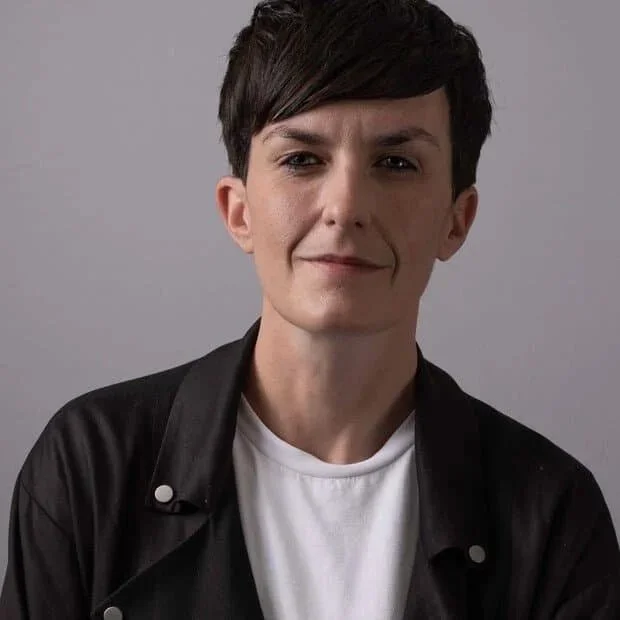
"For research and advocacy to make a real difference to people’s lives, lived experience expertise has to be front and centre.”
Dr Kate Martin, The Wellcome Trust
-
![]()
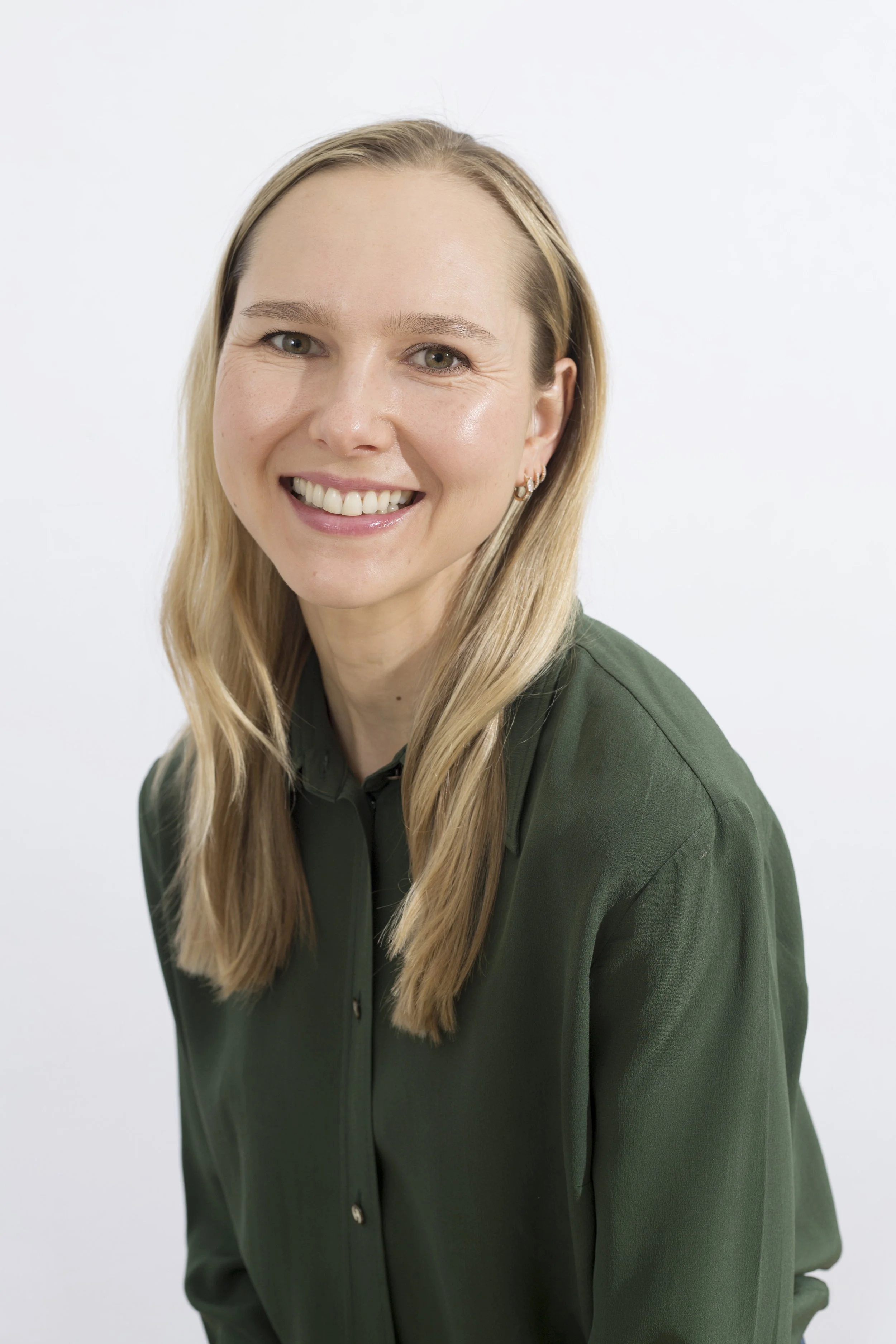
"Listening to women and understanding what they truly need is where meaningful change starts."
Daria Bukhman, Bukhman Philanthropies
-
![]()
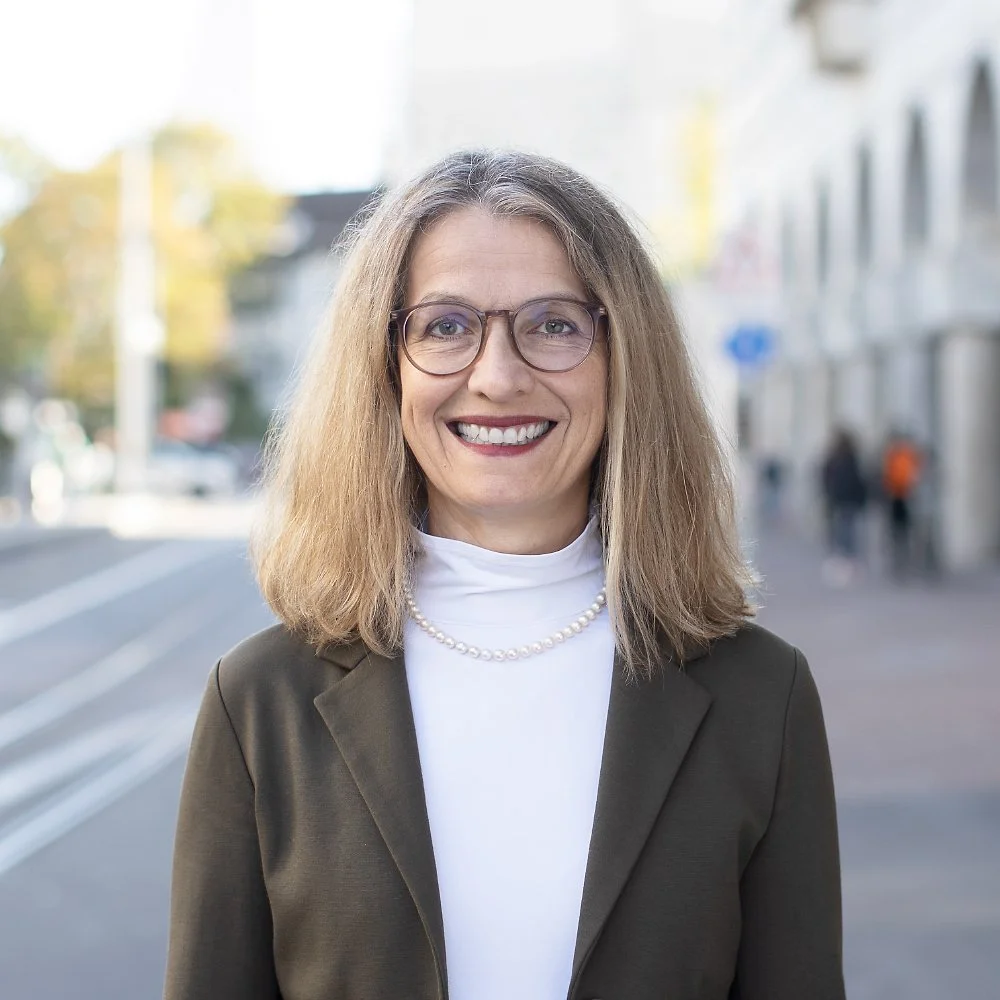
“Young people should have opportunities to shape the mental health programmes and policies that affect their lives.”
Aline Cossy-Gantner, Fondation Botnar
-
![]()
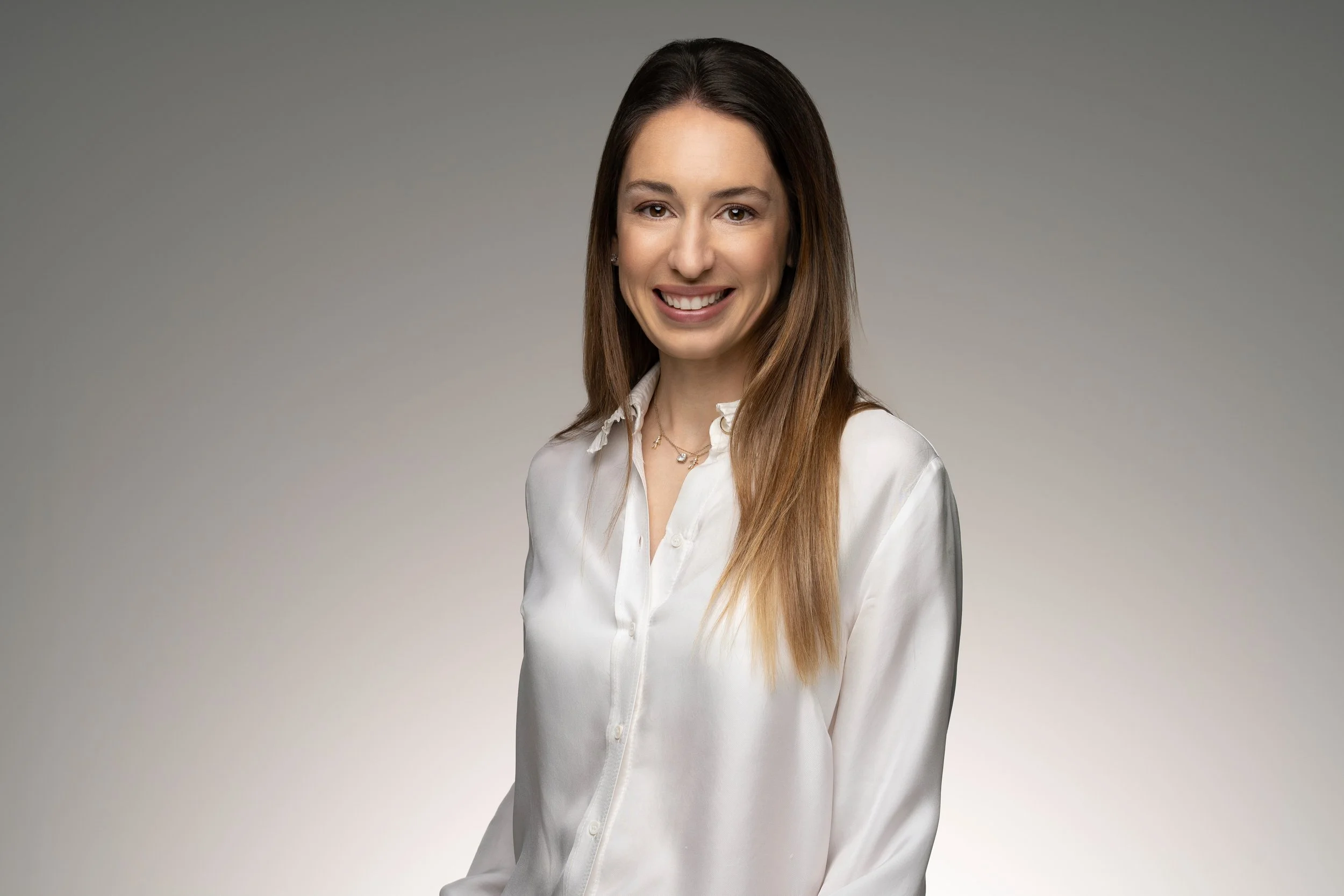
"If we want to support meaningful change in mental health, we must be willing to change the way we practise philanthropy ourselves."
Gaia Montauti d’Harcourt, Fondation d’Harcourt