The Region with the most complex and challenging context is coming together
by Dalia Elasi
Today, the Eastern Mediterranean Region stands at the center of escalating crises. 13 out of the Region’s 22 countries are currently experiencing direct involvement in or spillover from ongoing conflicts. These escalations have led to hostilities, mass displacement, disruptions to humanitarian aid and devastating loss of lives. Their consequences extend far beyond borders; affecting air travel, destabilizing energy markets, and limiting the flow of essential products worldwide.
In such circumstances, would it be surprising if mental health was overlooked?
And yet, the opposite is happening.
Across the Region, civil society continues to rise, despite economic hardship, humanitarian crises, environmental pressures and political instability. Civil society organizations and people with lived experience associations are not standing still. They are providing shelters during emergencies, delivering mental health and psychosocial support services and challenging deeply rooted institutional and structural stigma. They are pushing for a future where mental health is integrated into primary health care and where policies that undermine the right to quality mental health care, including the criminalization of suicide and substance use, are gradually being reconsidered and dismantled.
Yes, the Region is full of challenges. But within these challenges lie opportunities.
The Eastern Mediterranean Region is home to nearly 679 million people, speaking three official languages: Arabic, English, and French, alongside Persian, Urdu, Kurdish, Somali, and many other dialects. Creating a single platform that brings together such linguistic, cultural, and political diversity might seem like an impossible mission.
Yet, progress has begun.
Last July, at the Global Mental Health Action Network, in collaboration with the WHO Regional Office for the Eastern Mediterranean, we launched a Regional Coalition for Mental health and Substance Use Prevention. Today, this coalition brings together more than 100 advocates and 60 organizations - a first step on what will undoubtedly be a much longer journey.
At the 4th Global Mental Health Advocacy Forum, held under the call to ensure that “No One Is Left Behind,” 14 members from our Region came together. We discussed how to build synergies across their work while remaining sensitive to the difficult and rapidly evolving context they operate in. Together, we began shaping a shared roadmap for advancing mental health through collective action.
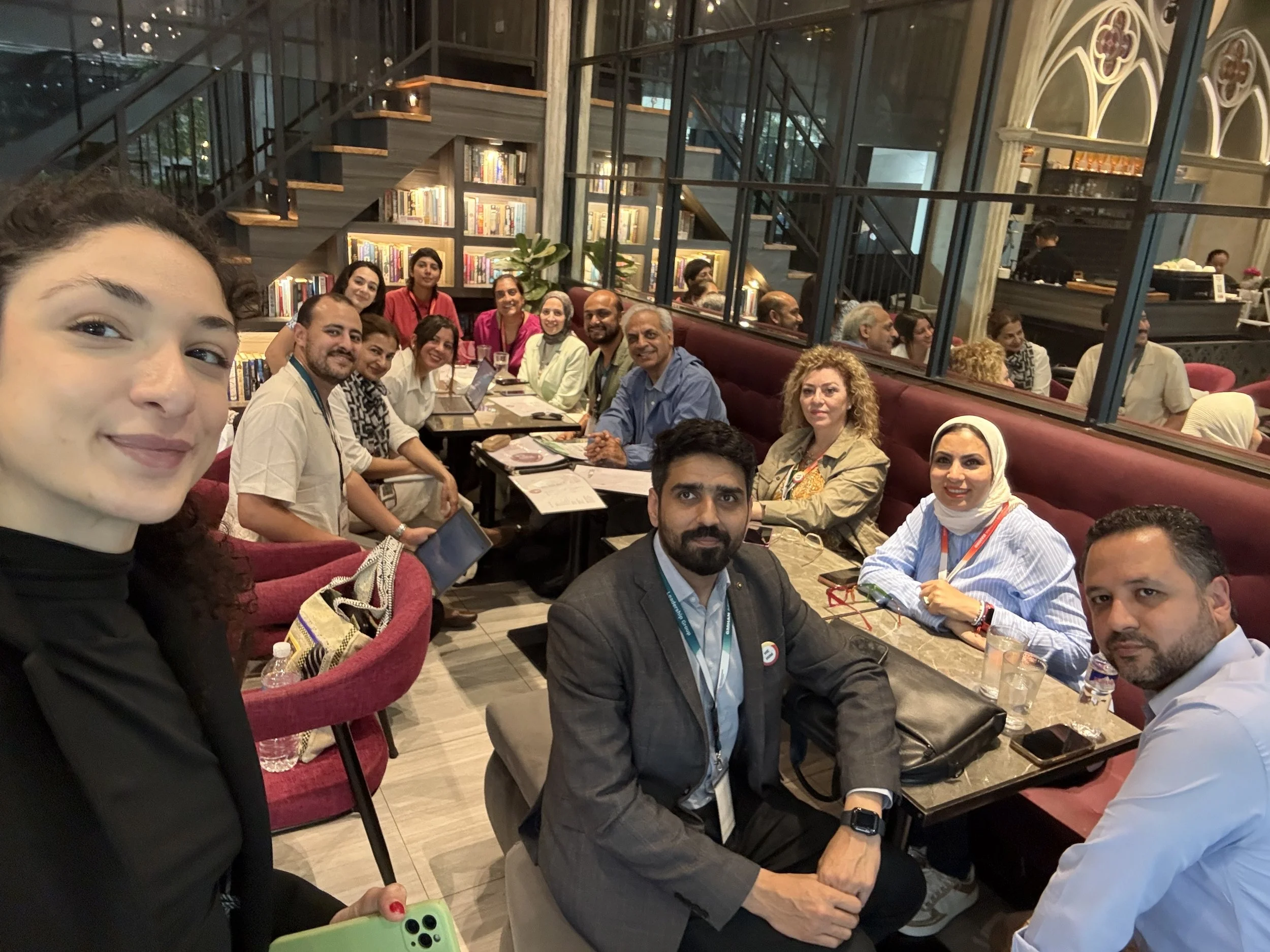
Our conversation began with a simple but critical question:
How can we unite behind one advocacy goal, pool our resources, and move forward together?
Today, we are no longer just asking that question, we are working to make it a reality.
Because despite the conflicts, the crises and the uncertainty, there remains a shared belief across the Region:
We will not be left behind…