
Accelerating Progress Towards the 2030 Mental Health Targets in Africa: Suicide Prevention, Decriminalisation, and the Road to the Rwanda Ministerial Summit
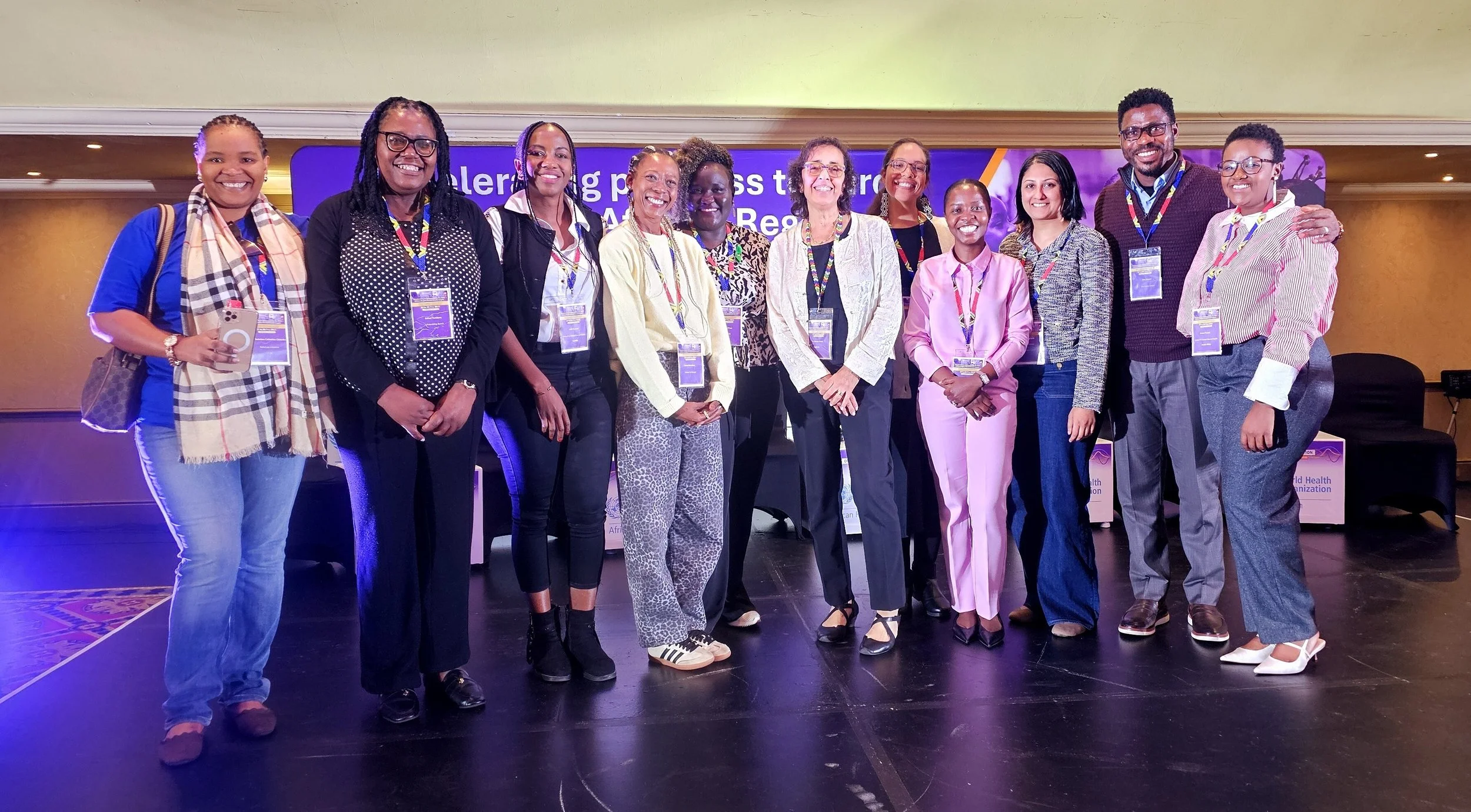
The Mental Health Inter-country Meeting for East and Southern Africa provided a timely and important opportunity for governments, mental health professionals, civil society organisations, people with lived experience, and regional stakeholders to reflect on progress toward achieving the 2030 African Region Mental Health Targets.
The meeting highlighted promising progress across the region while also exposing significant gaps in financing, implementation, workforce development, community-based care, and accountability. Most importantly, it reinforced the need to move from commitments and policies to measurable action and impact. One key issue emerged repeatedly throughout the discussions; suicide prevention can no longer be a neglected public health and human rights priority. The growing burden of suicide, particularly among young people and men, requires urgent, coordinated, and sustained action.
A discussion with Omona Mercy Gracy, Coordinator of the Uganda Parliamentary Forum on Mental Health, reinforced a powerful message: suicide is preventable; it is not inevitable.
This shared commitment is the driving force behind the Regional East African Suicide Prevention Summit, which will be hosted in Uganda this October. The summit will bring together policymakers, mental health professionals, advocates, researchers, development partners, and people with lived experience to strengthen regional collaboration and advance suicide prevention efforts across Africa.
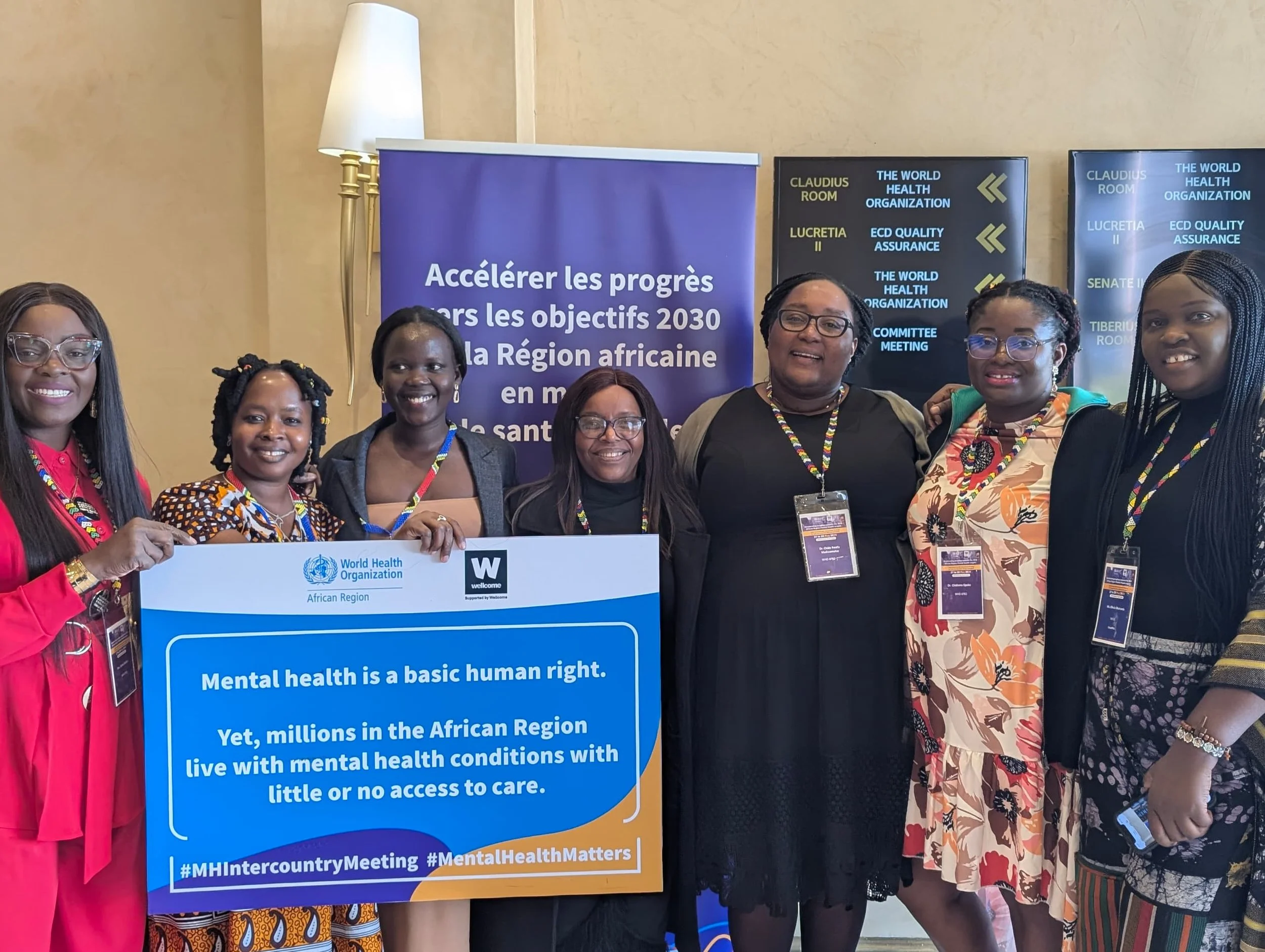
The workshop strongly endorsed the World Health Organization's LIVE LIFE framework as a practical roadmap for accelerating suicide prevention efforts across Africa.
Key interventions discussed included the following:
Restricting access to highly lethal means of suicide, including pesticides and toxic substances;
Promoting responsible media reporting and reducing harmful portrayals of suicide;
Strengthening social, emotional, and life skills among young people;
Improving early identification, intervention, treatment, and psychosocial support for individuals at risk.
The Importance of Community-Based Mental Health Systems
A major lesson emerging from the discussions was that sustainable mental health progress for the African region cannot be achieved through hospital-based services alone.
Many countries continue to face challenges associated with over-reliance on institutional care while community mental health services remain underdeveloped and underfunded.
Community systems are often the first point of contact for individuals experiencing psychological distress. Strengthening these systems can significantly improve early intervention, reduce stigma, and increase access to care.
Lived Experience Leadership: Moving Beyond Consultation
The principle of "Nothing About Us Without Us" resonated strongly throughout the meeting. Participants from organisations for people with lived experience brought unique expertise that cannot be replicated by clinical knowledge alone. Their experiences help humanisedata, inform service design, improve policy implementation, and strengthen accountability.
Actionable Recommendations for Sustaining Momentum
To accelerate progress toward the 2030 targets, the workshop generated several recommendations:
Governments should develop measurable targets and accountability frameworks for increased mental health domestic financing.
Development partners should support sustainable financing and investing in technical assistance for community mental health programmes.
Civil Society Organisations should strengthen public awareness through rights-based advocacy on mental health and suicide prevention reforms.
Media Organisations Should partner with mental health stakeholders to raise public awareness and promote help-seeking information.
Looking ahead to the 2027 Global Ministerial Mental Health Summit in Kigali, Rwanda
The summit is a meeting of international ministers solely focused on mental health. The upcoming Ministerial Summit in Rwanda presents a historic opportunity to translate commitments into action on the African continent. GMHAN members proposed the following as priority areas for Ministries of Health to consider at the 2027 Global Ministerial Mental Health Summit:
1. Suicide Prevention as a Continental Priority: Countries should accelerate reforms to remove legal barriers and ensure suicide prevention as a core component of national and regional mental health strategies.
2. Accountability for Existing Commitments: Countries should commit to increasing domestic investment and report progress against mental health measurable indicators and commitments.
3. Workforce and Community System Strengthening: Investments should prioritise community-based care, primary healthcare integration, and peer support systems.
4. Lived Experience Leadership: People with lived experience must be recognised as equal partners in shaping policy, services, and accountability mechanisms.
Conclusion
The Inter-country Meeting reaffirmed that Africa possesses the knowledge, evidence, expertise, and partnerships necessary to transform mental health outcomes across the continent.
As we prepare for the 2026 Ministerial Summit in Rwanda, we must seize this moment to move beyond dialogue and commit to measurable progress. The future of mental health in Africa depends on our ability to place people, dignity, human rights, and lived experience at the centre of our response. If we act together, we can accelerate progress toward the 2030 mental health targets and create a future where every person has access to the support, care, and hope they deserve.
By Sia Edward
Co-Chair, Suicide Prevention Working Group, Global Mental Health Action Network