
As Pride Month ends, Stonewall lives on.
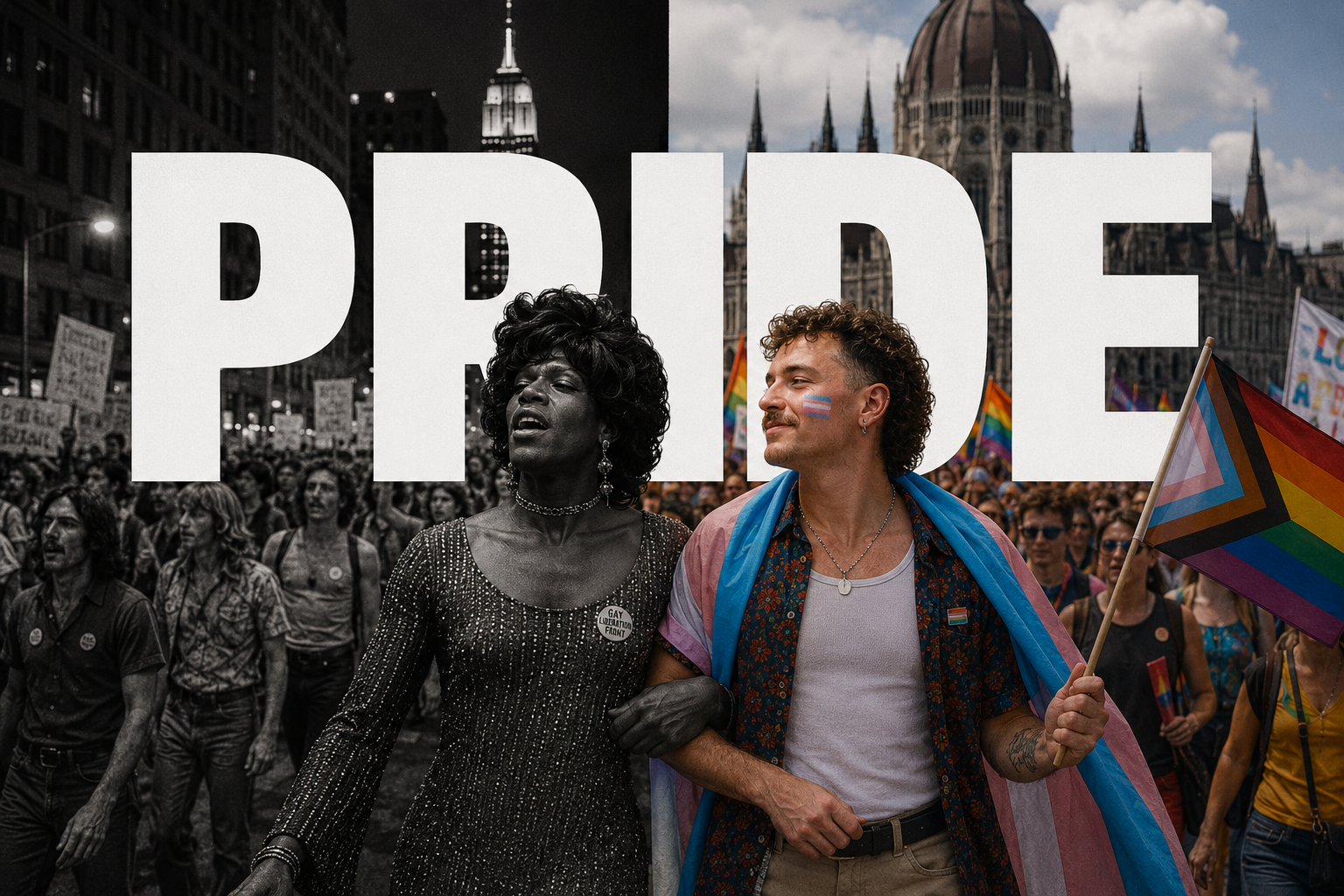
We don't expect you to agree with all of it, but we hope you read with some curiosity and an open mind and perhaps find some common ground. Each generation has shaped the narrative of Stonewall to their own purpose. As early as 1973, at the 4th anniversary rally, Sylvia Rivera fought her way onto a Pride stage only to be booed by the mostly white, middle-class crowd as she demanded recognition for incarcerated trans women. Over time, Pride became sanitised as many activists prioritized respectability and assimilation as the path to acceptance. The story changed yet again in the 1980s as the gay community was ravaged by the AIDS crisis. By the 1990s, Pride had become a parade. By the 2000s, it had become a marketing opportunity on corporate calendars.
“Factually speaking, ‘who threw the first brick’ has one answer… the truth of this question is not to inform you. The truth of this question is to recruit you to the fight for all trans and queer lives.” — Heather White
The fight over who gets to be in the story is the story. Black and Brown, trans and nonbinary activists fought to recognise the contributions of figures like Johnson and Riviera.These debates are not academic. They shape who feels seen, whose suffering counts, and who is allowed to imagine a future for themselves. The stories we tell about LGBTQI+ people have always been tied to our wellbeing and the erasure of stories carries a mental health cost too.
Human gender and sexuality have always been more varied than any single rights movement has captured. This is partly why the acronyms used for gender and sexual minorities are contested, changing and, yes, sometimes confusing. LGBTQI+. LGBTQIA2S+. LGBTQQIP2SAA. The letters are a reflection of the changing shape of what we might call “the vast rebellion of the repressed.”
Over the last four weeks, the LGBTQI+ Working Group used GMHAN’s social channels to share the voices of people in Fiji, Ecuador, the Philippines, Zimbabwe, South Africa, India and Australia, letting them express what queer mental health looks like where they live. Their stories remind us that LGBTQI+ people are not just victims. We are activists, researchers, artists, policy makers and even heroes.
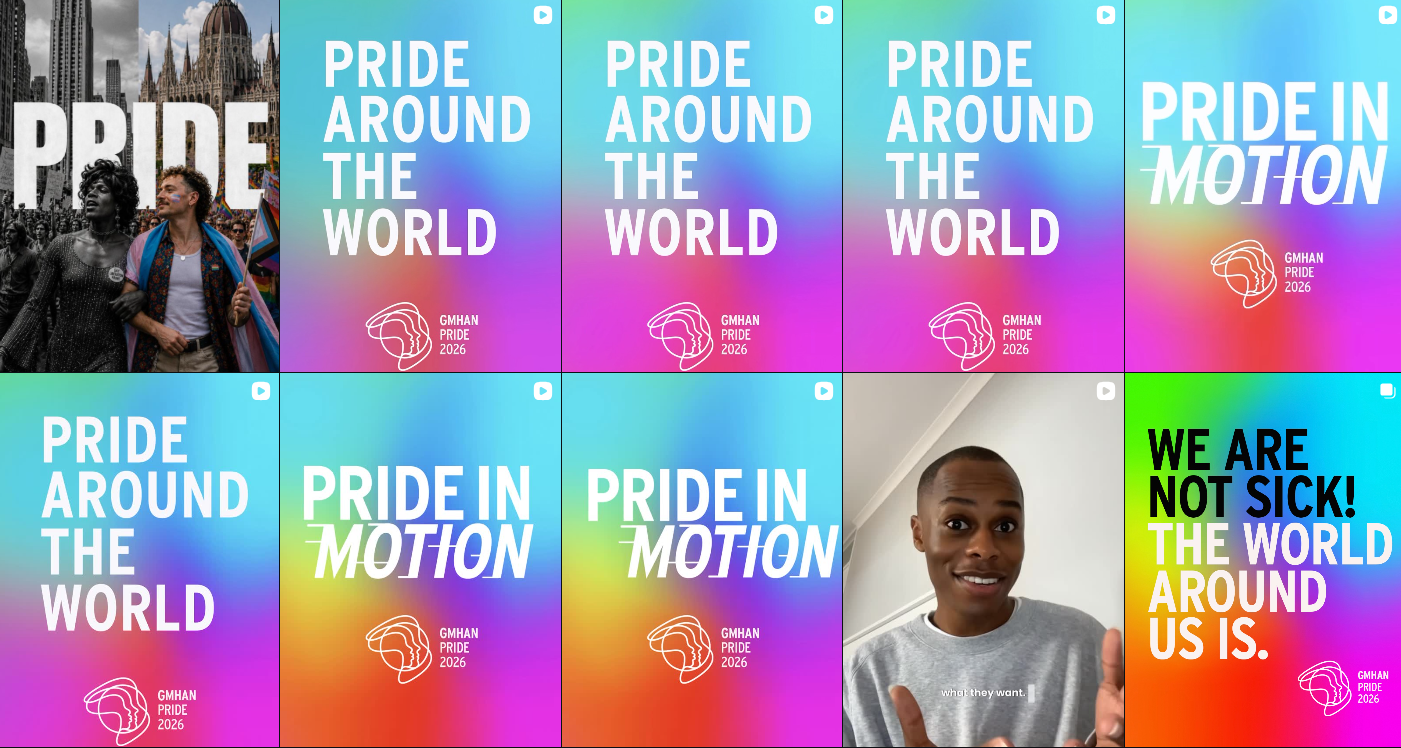
Neil and three friends in Fiji built a safe space for queer Indo-Fijians because they were losing people to mental health crises and could not safely be themselves. Shakti is using her skateboard to carve a new path for trans youth in Mumbai. Moniq, who researches older queer Filipinos, reminded us Pride means standing on the shoulders of those who fought so we could live openly. The LGBTQI+ Mental Health Working Group would like you to join us in the fight.
Silence is one of the most common forms of erasure in advocacy. We need to be on the agenda, especially when it’s risky.
If you're a clinician: train in or include affirmative practices. Pachankis's ESTEEM, Craig's AFFIRM, and the Mariwala Health Initiative's Queer Affirmative Counselling Practice are good places to start.
If you’re a researcher: include LGBTQI+ variables in your studies. The data gap is the policy gap.
If you're a friend, colleague, family member: be the one accepting adult. The Trevor Project found LGBTQI+ young people with at least one accepting adult report around 40% lower past-year suicide attempt rates.
Stonewall wasn’t the end of the story. In many ways it wasn’t even the beginning. But every year when we commemorate the queer kids and hustlers and drag queens who decided enough was enough we can remind ourselves that no matter how powerless or distant you might feel from the fight, you can make a difference. Join us!
— The GMHAN LGBTQI+ Working Group