Reflections from the 81st United Nations General Assembly
The UN General Assembly (UNGA) week is nothing short of a beehive. It is a wonder how many parallel agendas are advanced or, unfortunately, sometimes derailed. This year, mental health was not a key agenda at UNGA. The GMHAN and United for Global Mental Health (UnitedGMH) delegation present still pushed the Mental Health Agenda in Climate, child and youth, and Universal health care talks. With myriad UN sessions and side events, here are three sessions that stood out to me:
Advocacy and what it means for young people
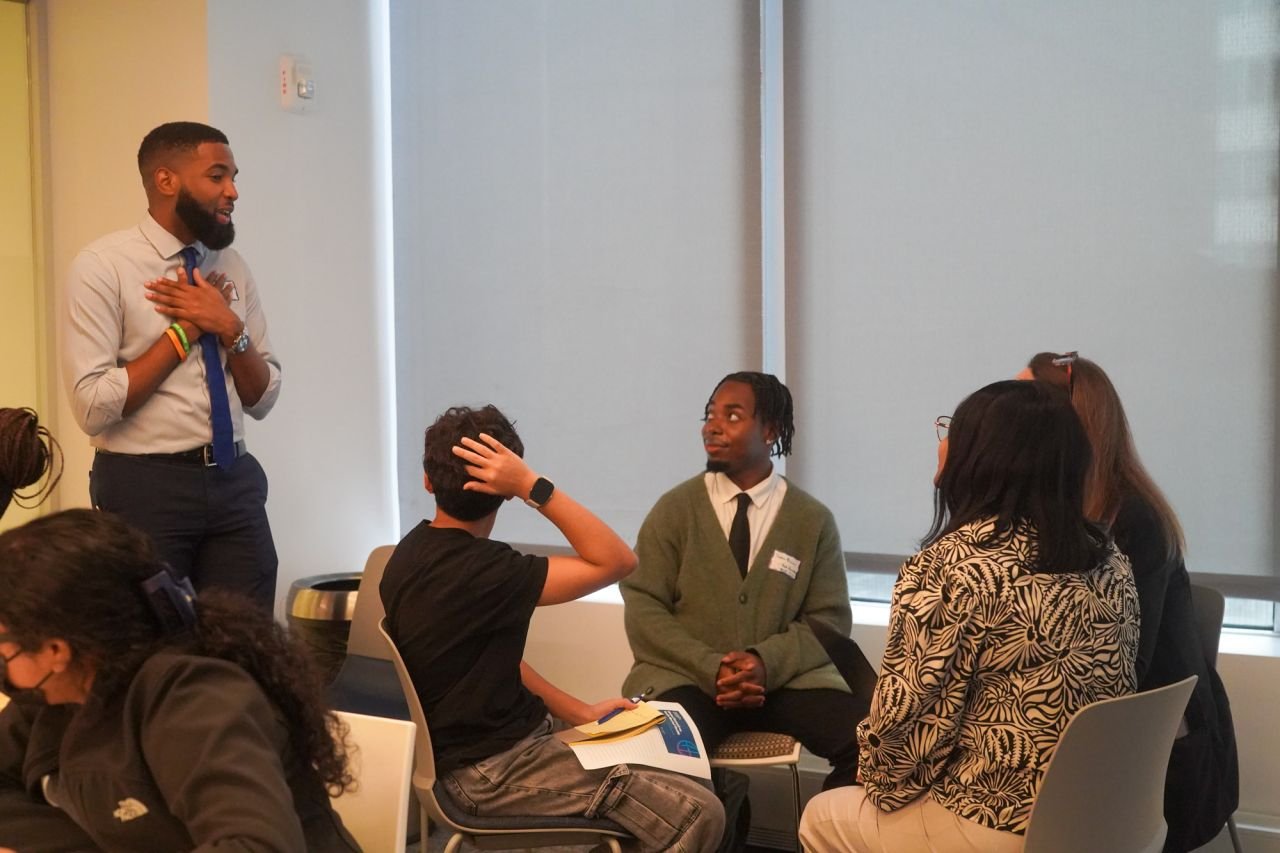
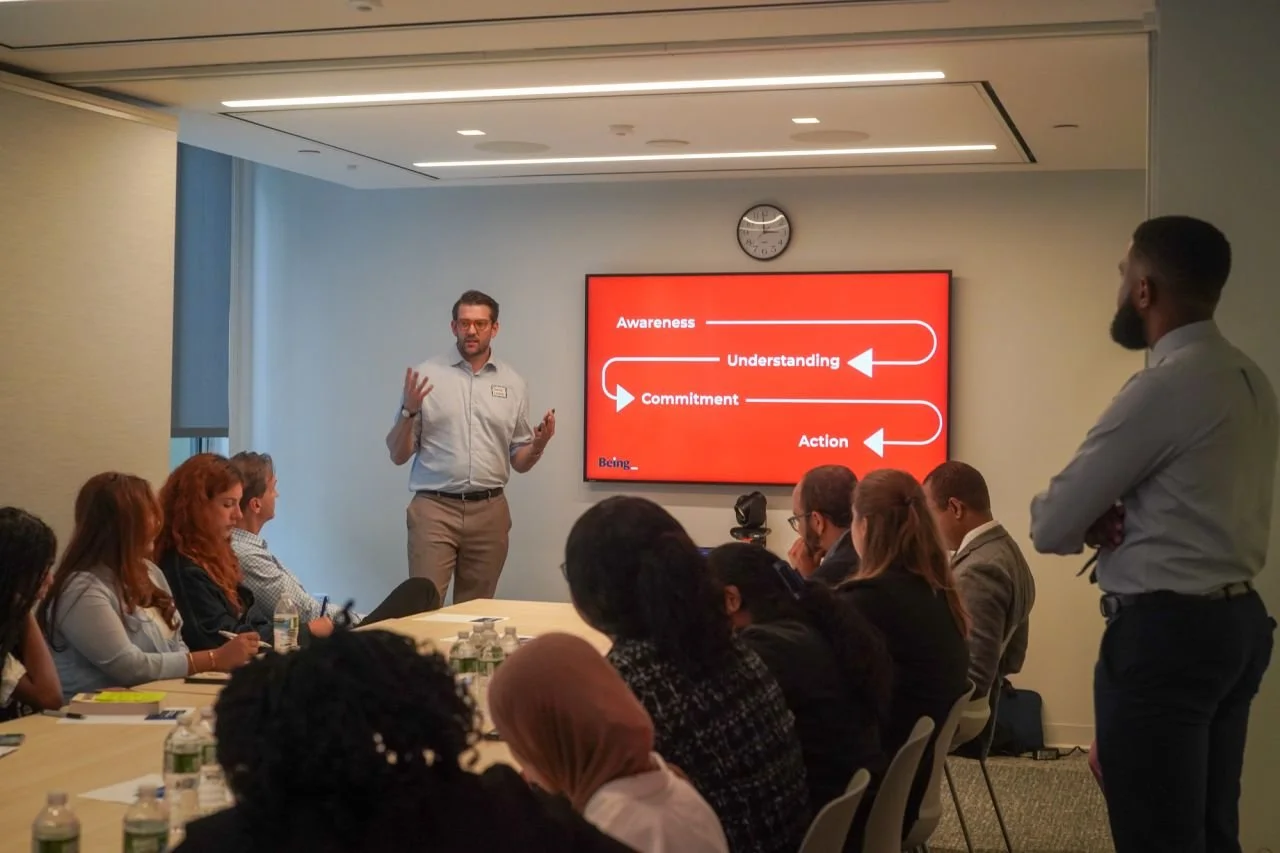
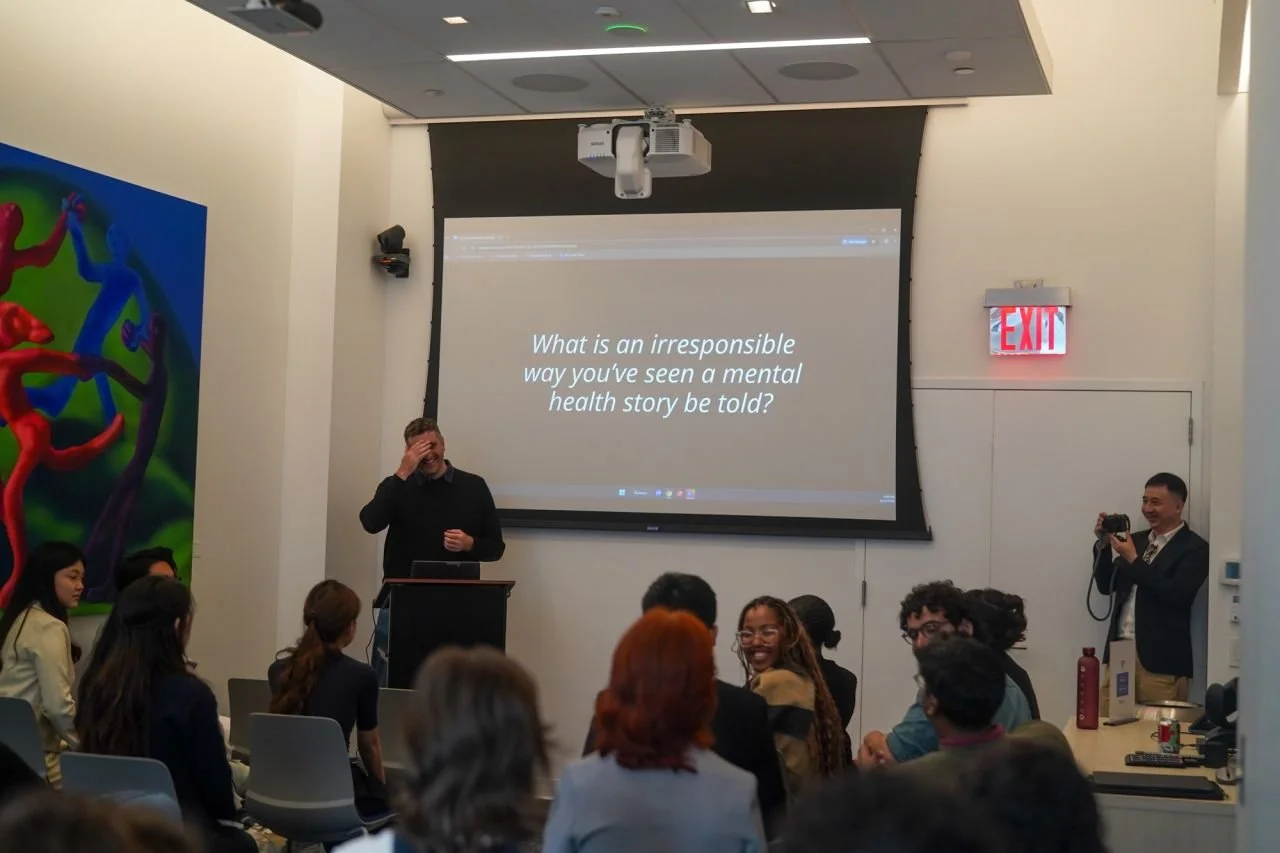
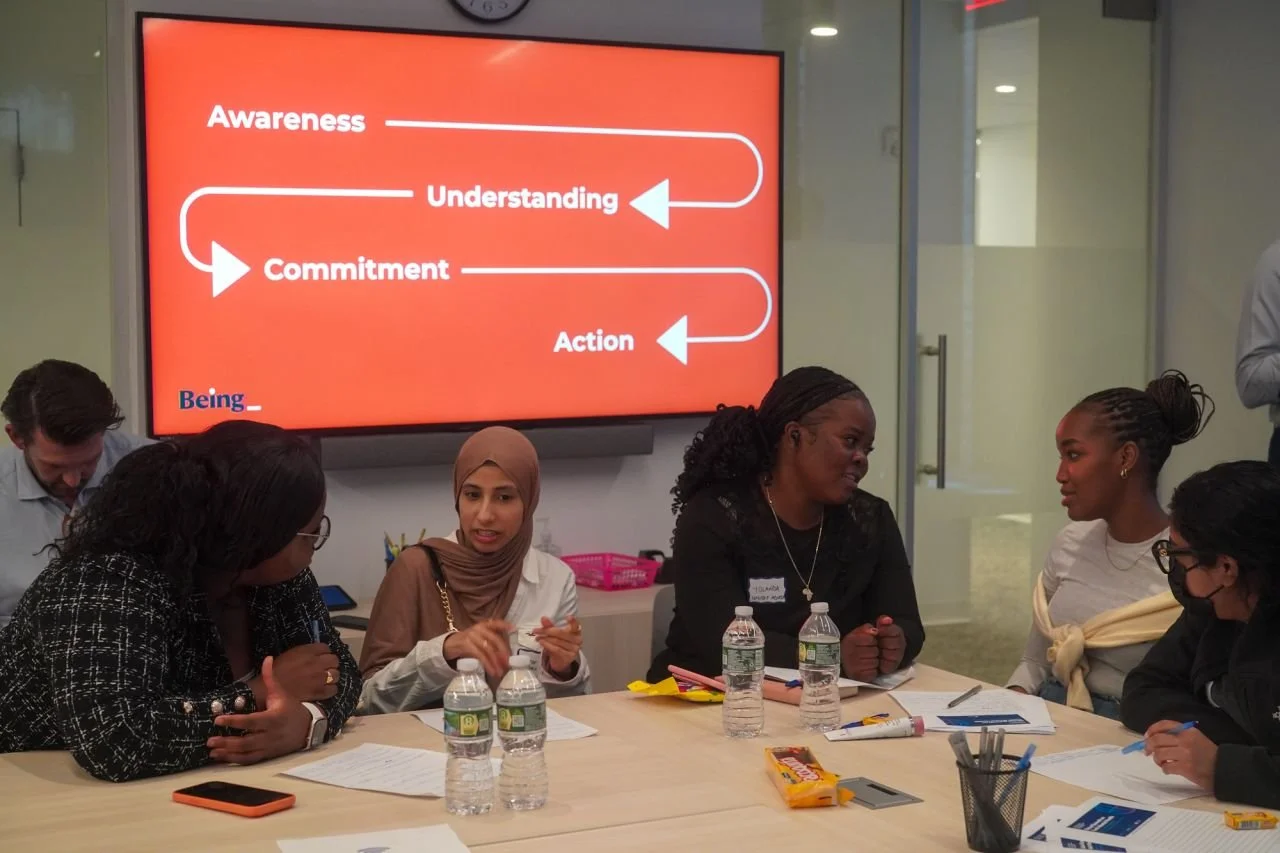
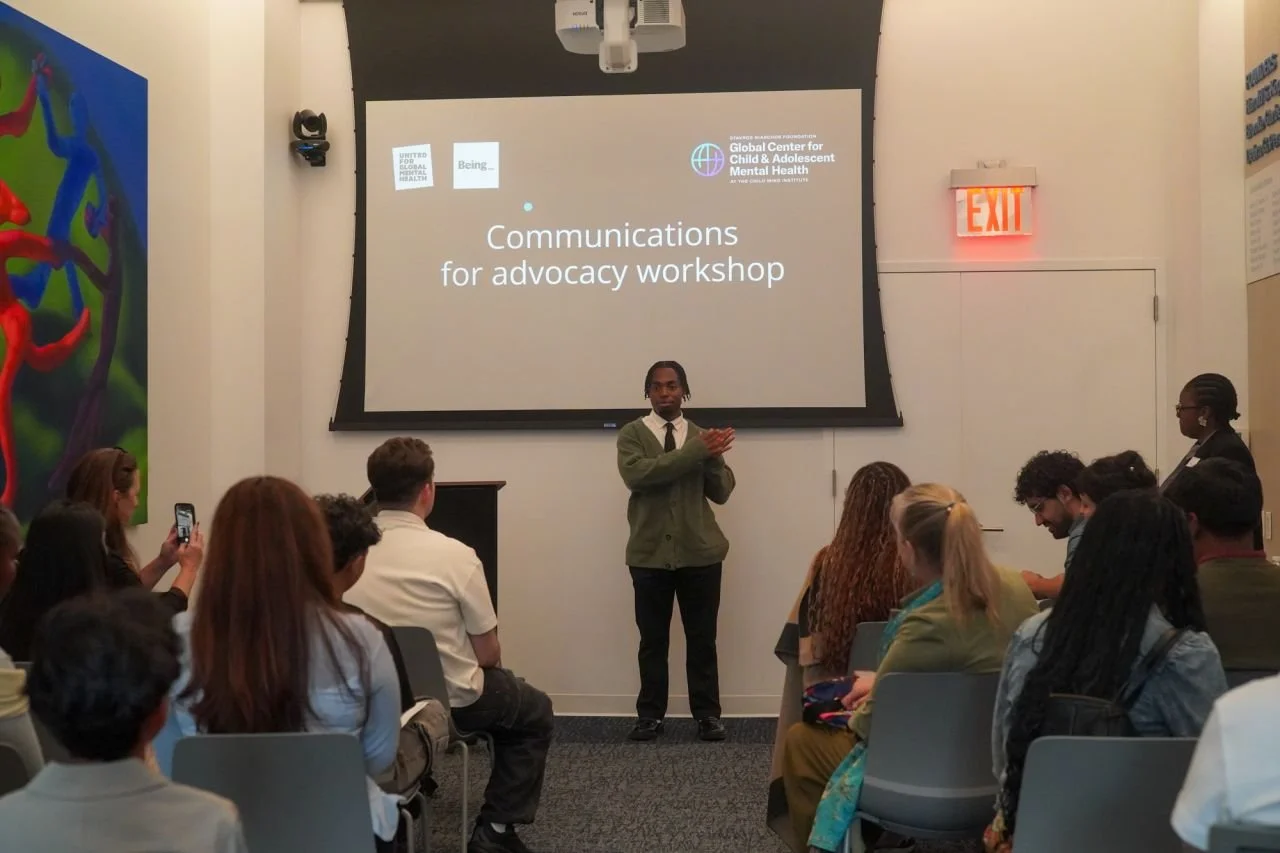
Young people all over the world are driving social change in their communities from grassroots levels to policy levels. We at GMHAN and UnitedGMH, in partnership with the Being Initiative, are committed to ensuring they remain equipped with resources that can help them in their day-to-day advocacy. With the Child Mind Institute, we facilitated three workshops on Communication, power mapping, and an introduction to advocacy. How do we make other people see our concern? How do we frame issues that make a key decision-maker want to buy in and advocate for us in rooms we can’t access? What does it mean to be an advocate? What skills do you need? We brought over 50 young people(yes, the young at heart count) to contextualise these questions and find answers within themselves while encouraging intersectoral collaboration.
Men’s Mental Health
What do an immigrant, a solo parent, and a divorcee have in common, other than the fact that they are all men? Their contribution to the Men’s Mental Health conversation and what positive masculinity looks like. Each has their own platform, encouraging men to open up and connecting them to places where they can find help. Mental health advocacy can come from anyone. This session proved how Men’s Mental Health needs constant year-round attention across seasonal milestones.
A timely conversation to be held during UNGA week, as June is Men’s Mental Health Awareness Month and the coming Movember.
Check out GMHAN’s Need2Know brief outlining everything you “need to know” about men’s mental health from the current evidence base.
Seen & Heard: Creating pathways to MH Care for all
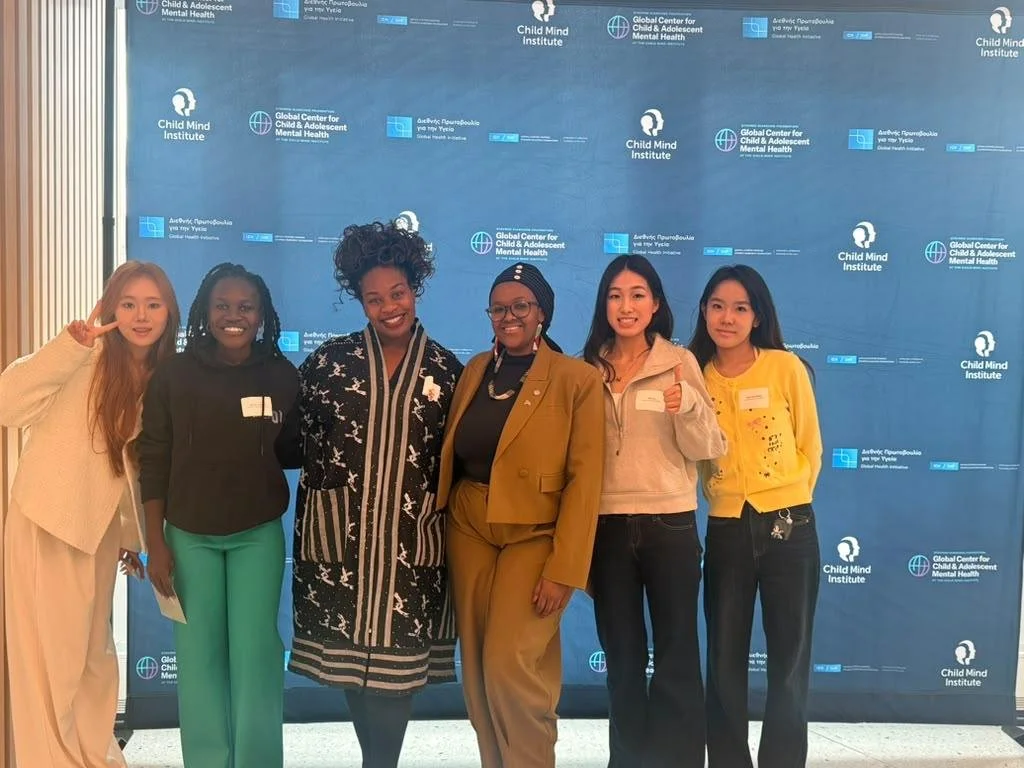
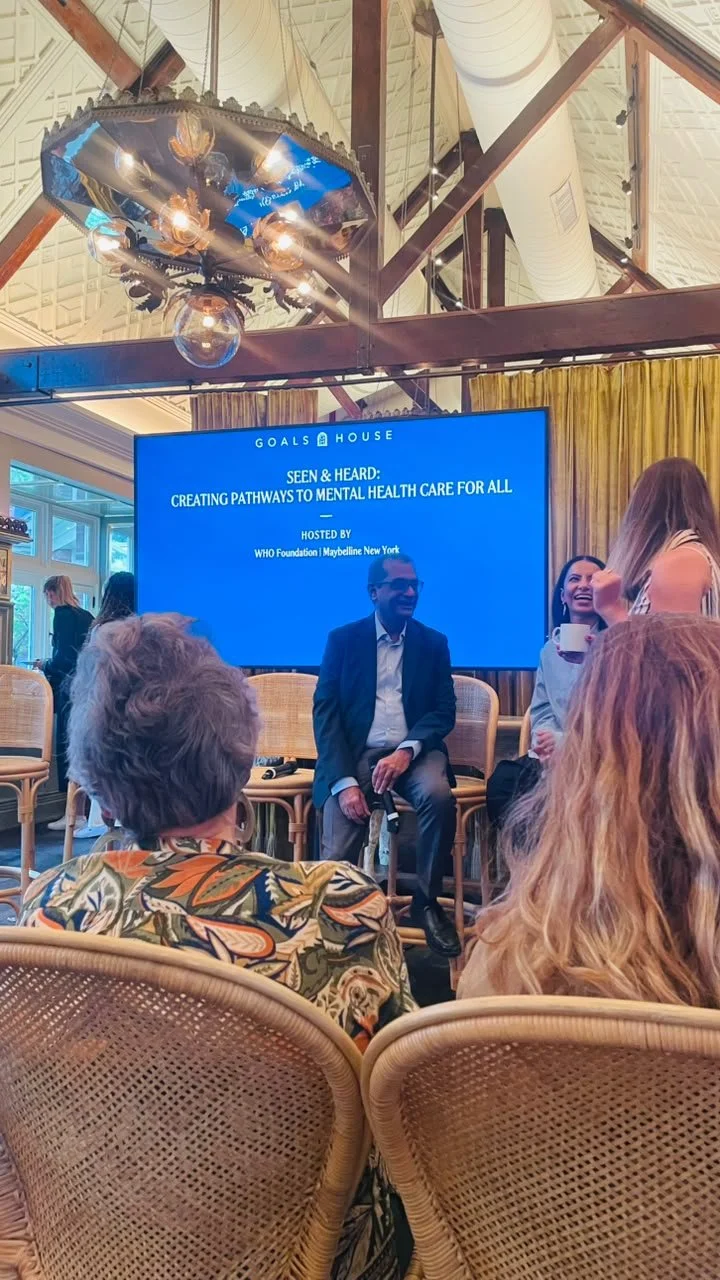
MH care is not standardized around the world. With studies showing that care at home increases the overall wellbeing of the affected individuals and those around them. To be seen and heard while undergoing mental illness* is critical and empowering. Learning about care from a mom -daughter immigrant duo from Barbados on how bullying led to her retreating internally, and the mom being the first responder at the scene helped her flourish with care that was full of love. The session did raise, as well, critical outlooks on how we can create pathways for MH care for all:
How we as organizations communicate about mental health - At the risk of desensitizing the impact of ill mental health, care needs to be taken in how we invite lived experience sharing and the language we use around it, lest it becomes a buzzword in our local government ministries without concrete action being taken to protect those who need care most
Use of tech in equipping triage health care workers - In our rapidly evolving technological world, it is important for all stakeholders to recognize the benefit of using knowledge systems (not popularized LLMS) to shorten the turnaround period from diagnosis to treatment and/or care of individuals. But we must also accept that it is true that the economic capability and priorities of governments differ, especially for those in LMICs, which brings us to
Solutions stack vs capital stack in mental health and how this impacts overall care received by patients and their families. This means funding community-integrated care networks, the key campaign for UnitedGMH work: “Care not Custody”
This conversation was timely as World Mental Health Day is upon us. With this year’s theme “Lived experiences heard: real voices, real change”, we have put together our new brief outlining GMHAN’s approach to lived experience engagement and leadership. This includes our inclusive definition of lived experience, details of how we champion youth leadership and expertise, and the different ways we engage with Network members at various levels and capacities.
Conclusion
Attending UNGA (or other high-level meetings) for the first time can be daunting. As part of our Lived Experience Knowledge Exchange Series, we have put together a session on how to engage in the UN process, which you can register for here.
Additionally, when it comes to the logistics of UNGA, here are five sacred rules I think you should incorporate:
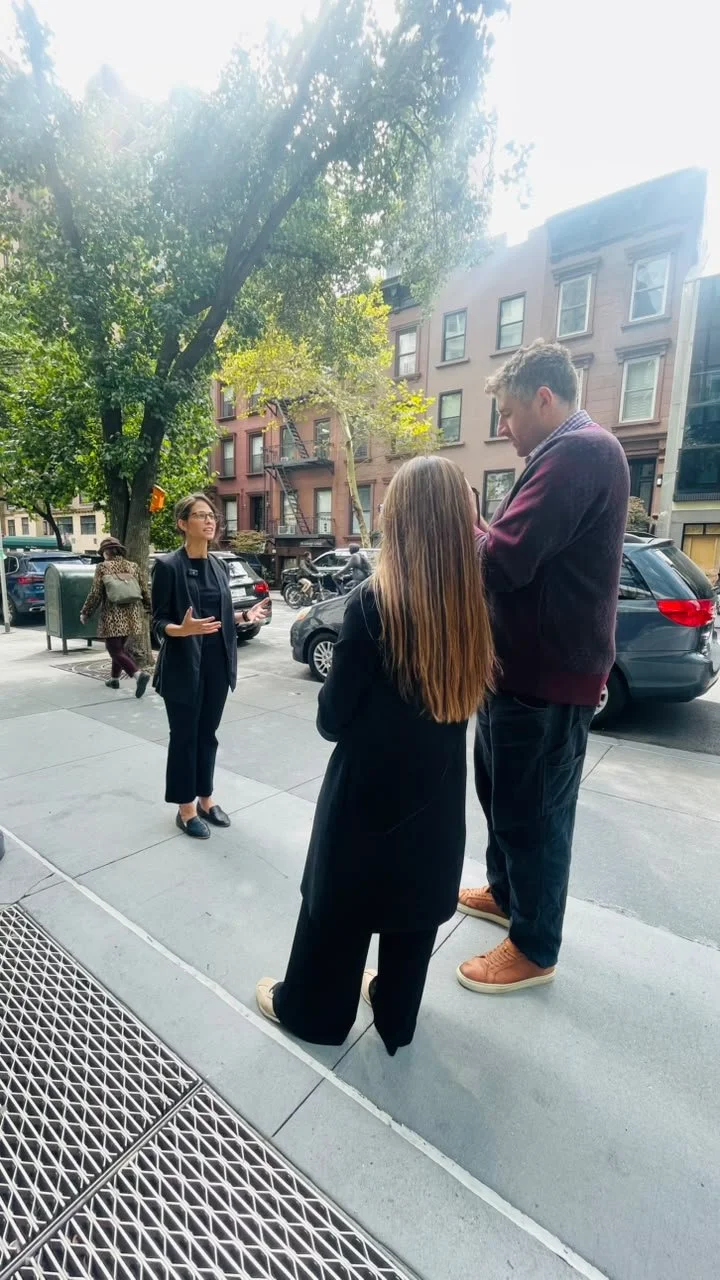
Everyone will tell you to bring comfortable shoes. Trust them. Sometimes, walking the streets of NYC can be more pleasant and cooler than the subway.
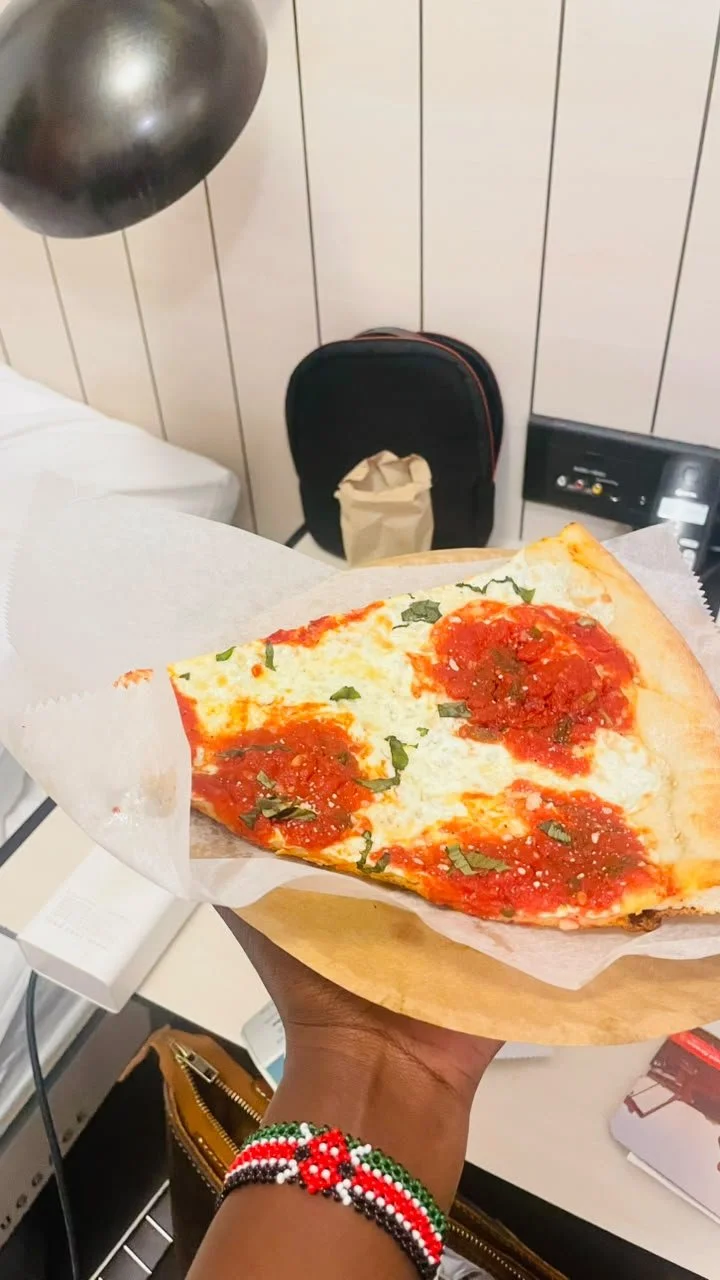
Eat when you can, where you can, and sometimes bringing your leftovers can be life-saving (literally). I had a cold pizza at 4 a.m(photo evidence above), and it was the best.
Bring out your social butterfly self and speak to those you can. Not only will you build a network of advocates like you, but also get unexpected gifts.
Most people share in advance when they are at UNGA. If you see an interesting person, reach out in advance, as the week is busy.
Be fluid and open to new conversations. Being invited to a panel you haven’t heard of is pretty common.
Ultimately, whether we are navigating a crowded room in New York or building grassroots support back home, our commitment remains unwavering: we continue to be the voice of mental health even when it is not high up on the agenda.
By Stacy Dina, GMHAN Coordinator