World Suicide Prevention Day 2026: An Open Letter for Funders
In 25 countries, a person who survives a suicide attempt can be arrested, prosecuted, fined or sent to prison for up to three years, and nearly a billion people live under these laws. Suicide criminalisation stops people feeling at their most desperate, their families, neighbours and health practitioners, from asking for help in the hours when help would still work. In Singapore, in the first ten months after suicide was decriminalised and the role of the police changed, the suicide rate fell significantly. This is one of the cheapest and most sustainable changes that money can buy in global health.
What this has already achieved
Through UnitedGMH's advocacy support to GMHAN member organisations, and in collaboration with key partners, national campaigners secured the decriminalisation of suicide in Pakistan, Ghana, Guyana and Malaysia. GMHAN's Suicide Decriminalisation Working Group was recognised in the Ghanaian Parliament for supporting the national actors who led that campaign. In Nigeria, the advocacy working group we are part of got decriminalisation onto the floor of Parliament in March 2025. In Grenada, after consultations with policymakers, religious leaders and health workers, the Minister of Social Development called decriminalisation essential. More than 300 million people are now living under rights-based laws as a result of the reforms we have supported.
We also lost significant funding in early 2025, when USAID was dismantled. Over 40 organisations across the Caribbean and Sierra Leone have been trained and are ready to campaign. And they now have no money to do it with.
This World Suicide Prevention Day, UnitedGMH and GMHAN members are calling for funders to close one of the biggest gaps holding back progress on suicide decriminalisation and prevention. The gap between knowing what needs to change and having the resources to make it happen. We've written an open letter with a clear call to action:
It's time to invest in advocacy to drive critical action at a local and national level.
World Suicide Prevention Day 2026 - Open Letter for Funders
Call to Action: From Punishment to Care: Invest in Life‑Saving Change
This World Suicide Prevention Day, UnitedGMH and the Global Mental Health Action Network are calling for investment to close one of the biggest gaps holding back progress on suicide decriminalisation and prevention: the lack of resources for the advocacy and implementation work needed to turn legal reform into real care. With support, this work can start now.
Across the world, about 816 million people live in countries where seeking help during a mental health crisis can lead to criminal prosecution. No one experiencing a suicidal crisis should face punishment when what they need is care. Decriminalisation can change that, but laws do not change on their own; advocates need the right tools and sustained investment to turn reform into real support for people and communities.
Changing laws takes trained people, clear ways of working, community support, and practical crisis‑response systems. To succeed, this work needs investment, so skilled organisations can deliver the practical steps they are ready to take and ensure people in crisis get care, not punishment.
This year’s World Suicide Prevention Day, under the global theme Changing the Narrative: From Silence to Systemic Care, we are highlighting how breaking the silence requires supportive laws and policies that encourage people to seek and provide help safely. Importantly, the advocacy needed to change these laws, and the ability to implement them effectively, must be funded.
What a $1,000 investment makes possible on the ground:
In Pakistan, it supports CSOs in organising meetings with lawmakers, human rights advocates, and mental health experts to build cross-sector support for reinstating decriminalisation.
In Tanzania, it funds CSOs to develop and disseminate information in Kiswahili aimed at community members to understand that suicide is a public health issue, not a moral failing.
In The Gambia, it funds workshops to sensitise parliamentarians to the proposed Suicide Prevention Act.
In Nigeria, it drives national radio and social media campaigns explaining why suicide decriminalisation is important and shares available resources, including emergency hotlines.
In Kenya, it funds bringing together healthcare workers, social services, police services and community leaders to build a safe referral system so that survivors get appropriate medical care, rather than facing questioning by the police.
We’re inviting partners and supporters to work with us and help countries turn reform into action. A small investment can save lives. Together we can achieve the change that brings those reforms to life.
To explore partnership or learn more, please contact us at hello@unitedgmh.org.
This work is funded in partnership with Fondation d’Harcourt.
More than 40 members of GMHAN from 10 countries shared how a $1,000 investment could support advocacy efforts to prevent and decriminalise suicide in their communities
Here are real examples of the critical work they’re driving locally to support vulnerable groups and how a $1,000 investment would be utilised in their local contexts
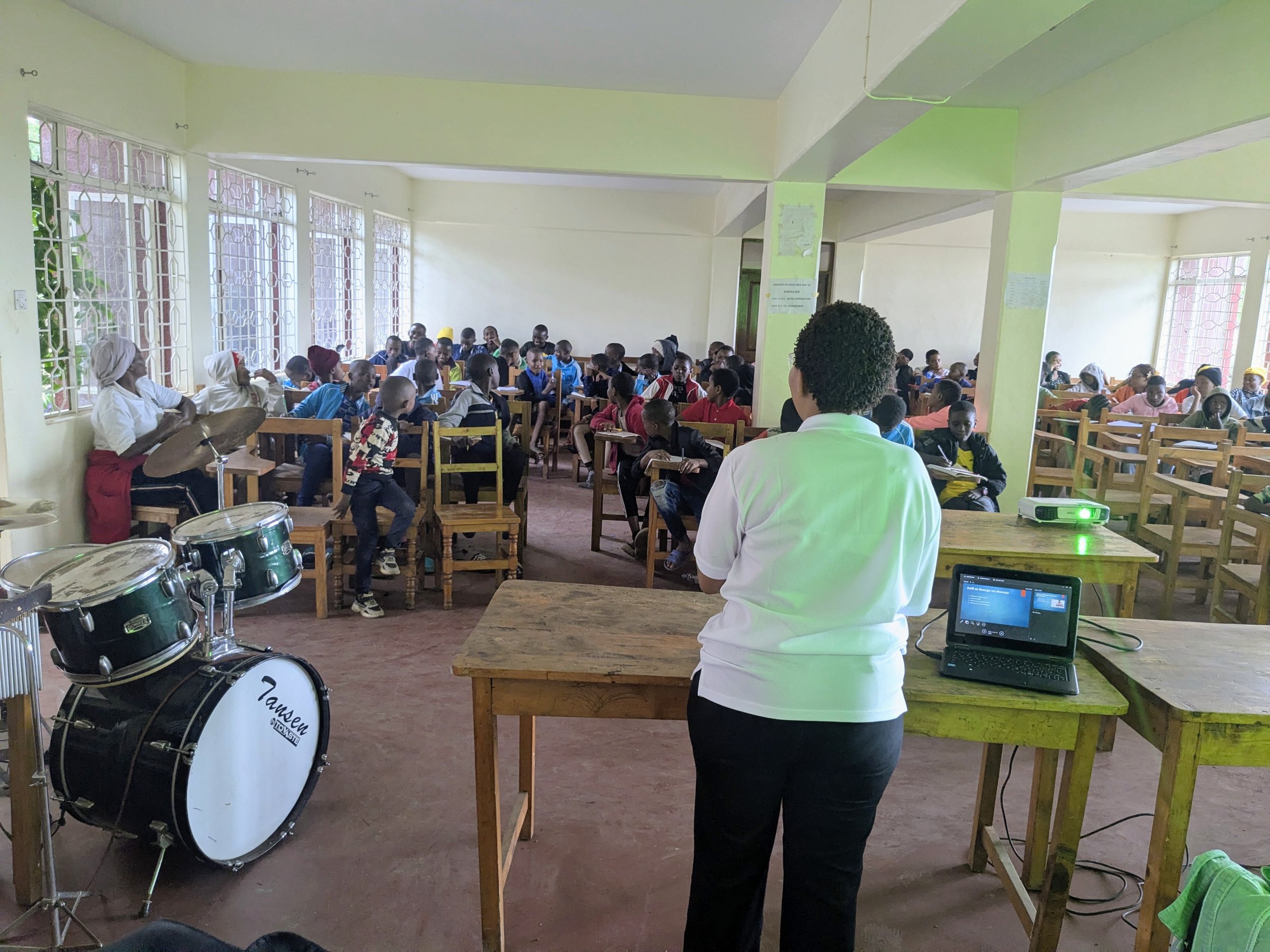
Tanzania
Healing Light Initiatives can equip 100+ students with life-saving knowledge on suicide prevention, mental-health support, and the importance of compassionate, non-punitive responses to people experiencing suicidal distress. This investment can help create a generation of young people who recognize warning signs, challenge stigma, know where to seek help, and support peers to access appropriate care.
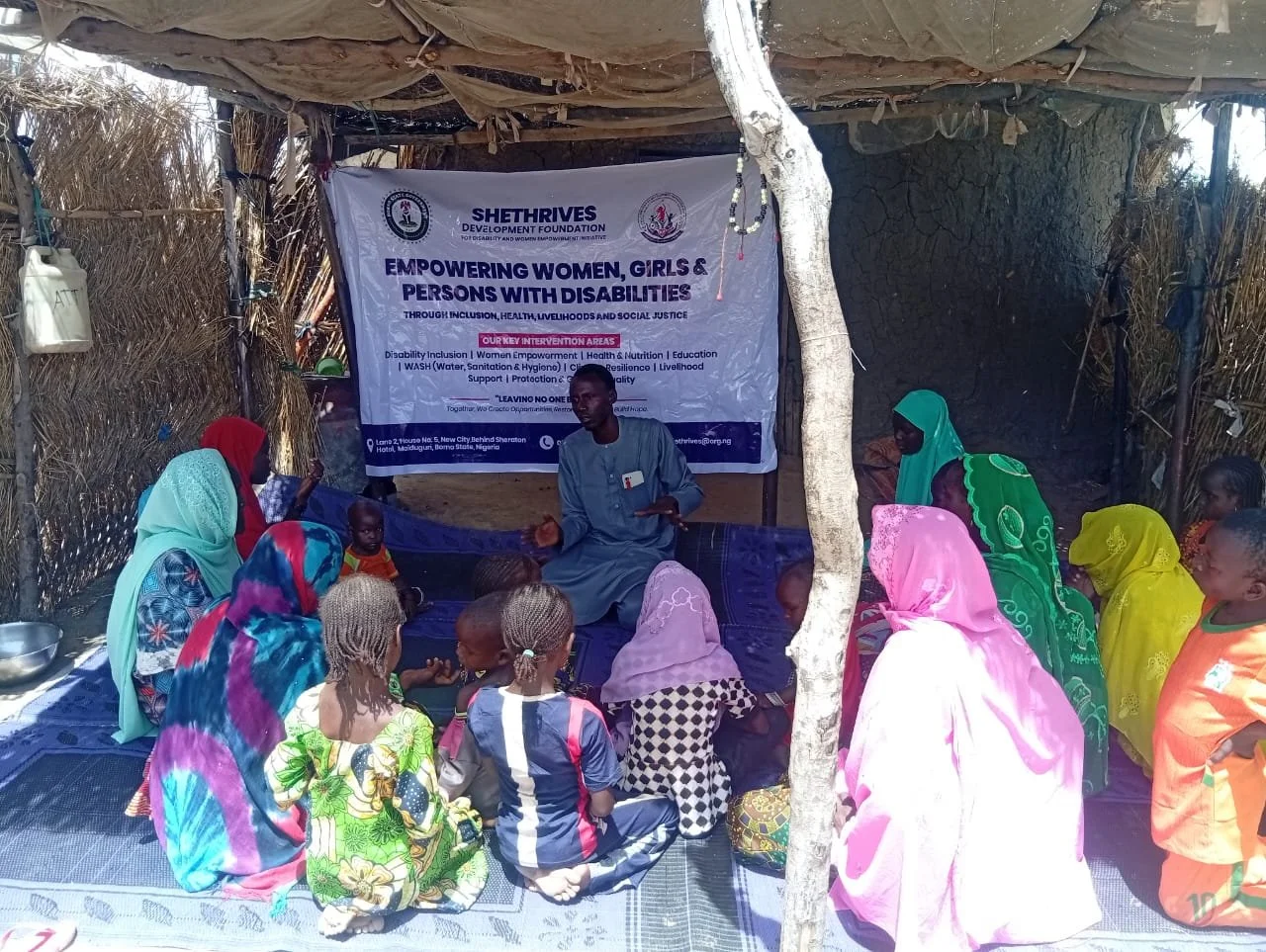
Nigeria
With $1000, the SHETHRIVES Developmental Foundation for Disability and Women Empowerment Initiatives can initiate practical, community-driven actions that directly address stigma, strengthen support systems, and advocate decriminalisation. This includes: community sensitisation campaigns, training of local volunteers, establishing support groups for vulnerable populations, developing advocacy materials, and strengthening referral systems
“A $1,000 investment could … fund approximately 4–5 community safe-circle sessions, reaching 50–75 transgender and gender-diverse people; train 10–15 peer/community members in basic suicide-risk identification, psychological first aid, safe referral and crisis response; and provide emergency referrals and follow-up support for people experiencing severe distress. The investment could also support community consultations and documentation of 15–20 cases involving discrimination, violence, criminalisation or barriers to mental-health services. This evidence would be used to develop a short advocacy brief and engage mental-health professionals, lawyers, policymakers and government stakeholders on decriminalisation and rights-based suicide prevention.” - Subrang Society, Pakistan

Uganda
The Stress Clinic Uganda would put funds towards a Regional Media Press Conference and Suicide Prevention Campaign Launch - a regional media press conference in Gulu City to launch a six-month Acholi Sub-Region Mental Health and Suicide Prevention Campaign. The engagement would bring together media houses, community leaders, mental health actors, and advocates to promote responsible reporting, challenge stigma, and drive public narratives away from criminalisation and silence toward help-seeking, compassion, and access to support.
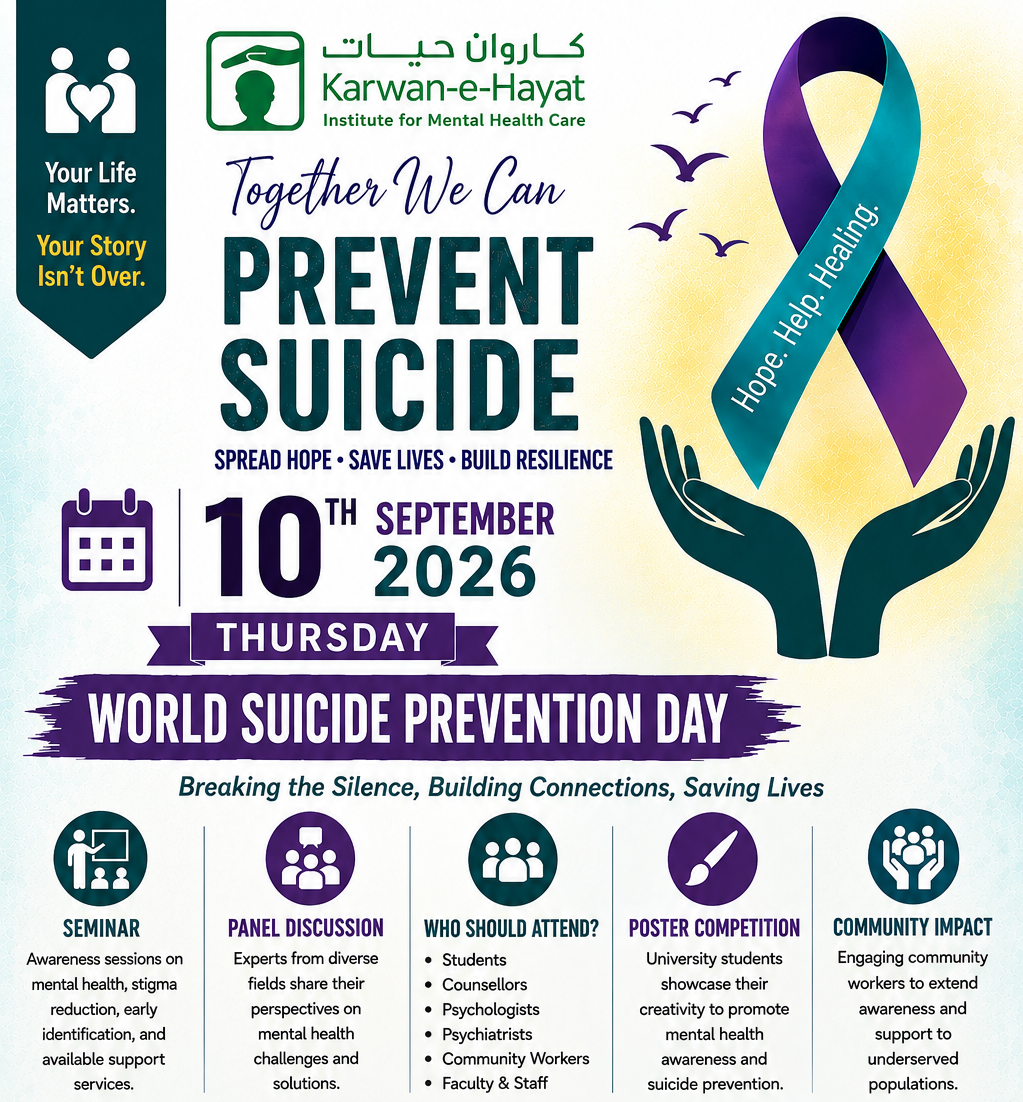
Pakistan
Karwan e Hayat Institute for Mental Health Care’s initiative would include a Mental Health Awareness Seminar: Educational sessions on mental health, stigma reduction, early identification, help-seeking, and available support services. Multidisciplinary Panel Discussion: A panel comprising a psychologist, psychiatrist, counsellor, and community worker to discuss mental health challenges from clinical, psychological, counselling, and community perspectives. University Student Engagement: Invitations to students from local universities to encourage meaningful participation and discussion around mental health. Mental Health Poster Competition: A creative competition among university students to develop posters addressing mental health awareness, stigma, suicide prevention, psychological well-being, and help-seeking.
“A $1,000 investment in my local context would help bridge the gap between awareness and action by supporting community-based suicide prevention initiatives. The funding could be used to organize mental health awareness campaigns, train teachers, youth leaders, and community volunteers in recognizing and responding to signs of distress, and develop culturally appropriate educational materials in local languages. It could also facilitate stakeholder dialogues with policymakers, religious and traditional leaders, and civil society organizations to advance suicide decriminalisation and reduce stigma.” - Peace Ambassador, The Gambia
A huge thank you to our GMHAN members and organisations for contributing to this letter!