GMHAN at the World Health Assembly 2026
In 2025, mental health was a key focus at the World Health Assembly (WHA), coinciding with ongoing discussions surrounding the UN High-Level Meeting on Non-Communicable Diseases and Mental Health. A year later, we remain committed to ensuring mental health continues to be prioritised across global health discussions and decision-making spaces.
At #WHA79, our community advocated for policies, reforms, and structural changes that recognise the unique nature of mental health and its impact on so many people around the world. Throughout the week, we continued to emphasise the importance of youth and lived experience leadership, community-based care, and the decentralisation of power within global health systems.
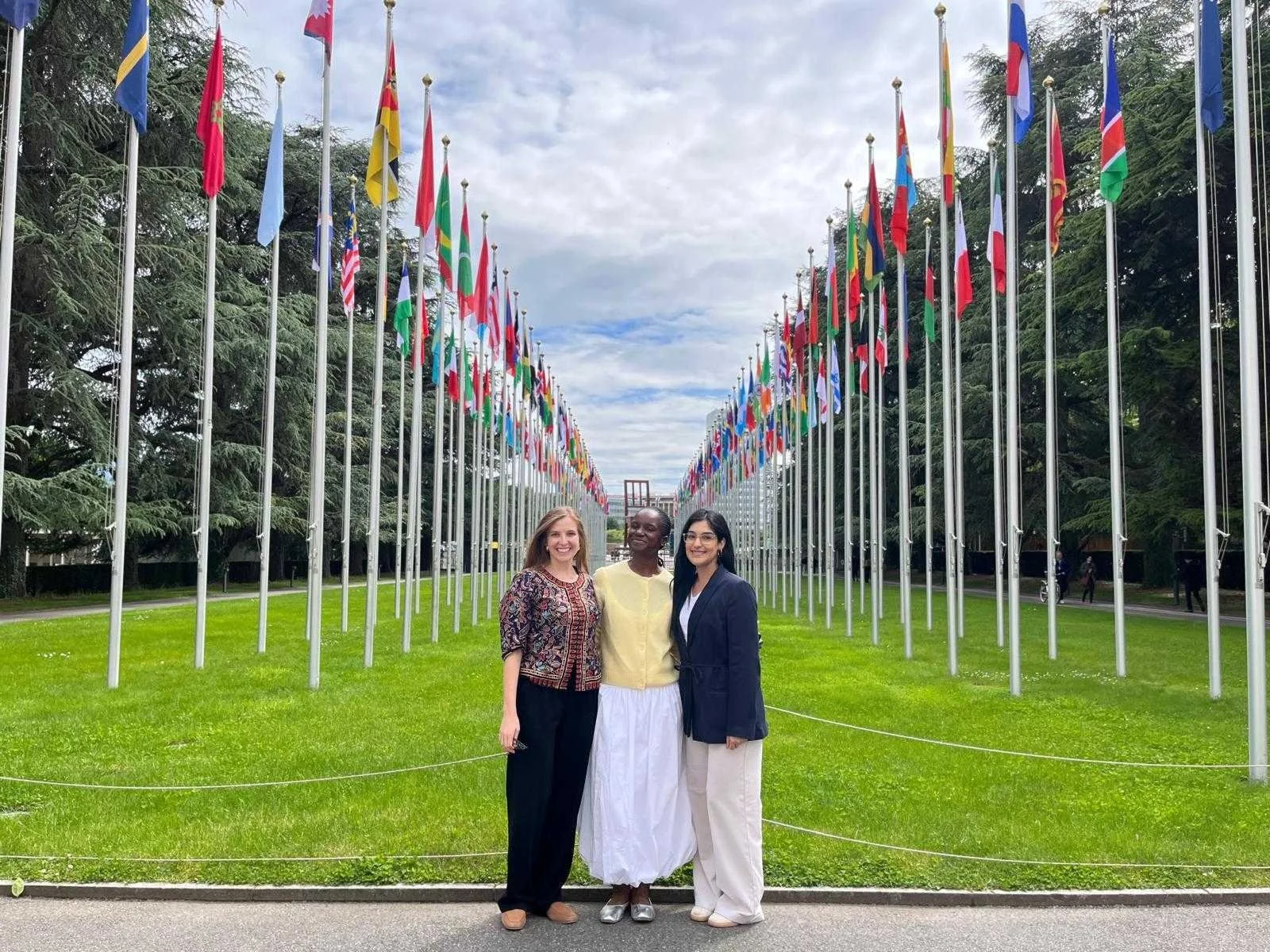
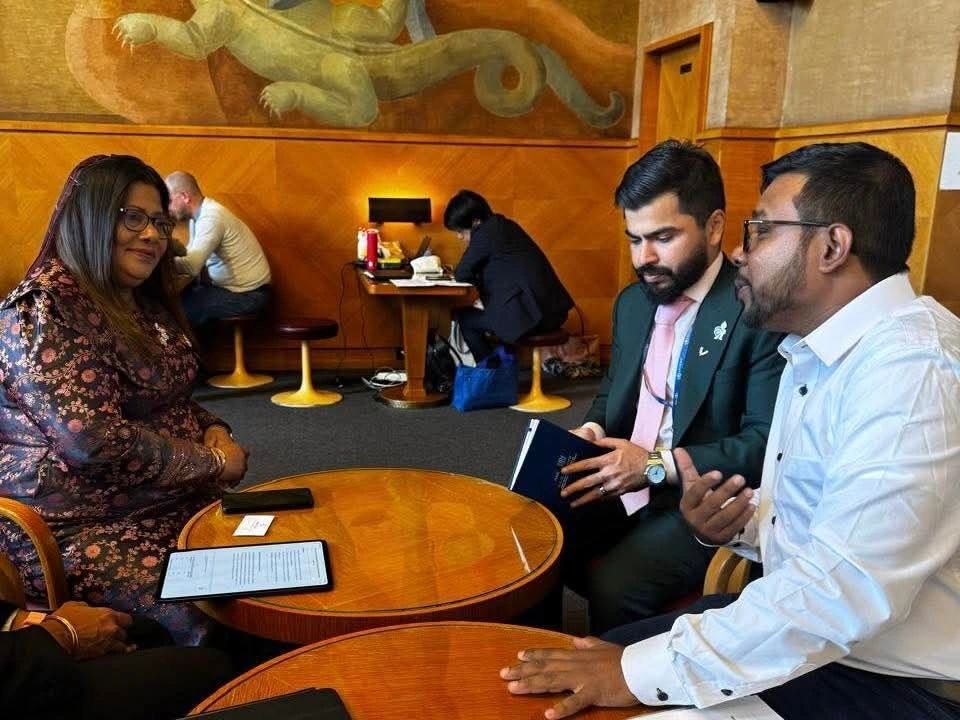
Across a jam-packed week of side events, bilateral meetings, and networking sessions in Geneva, one message came through clearly: global commitments must now translate into meaningful action and tangible change, with communities closest to the challenges not only shaping the solutions, but leading the way forward.
Importantly, #WHA79 reinforced that mental health is a cross-cutting issue. We must increasingly engage beyond mental health-specific spaces to ensure rights, lived experience, and wellbeing are embedded across the wider global health agenda.
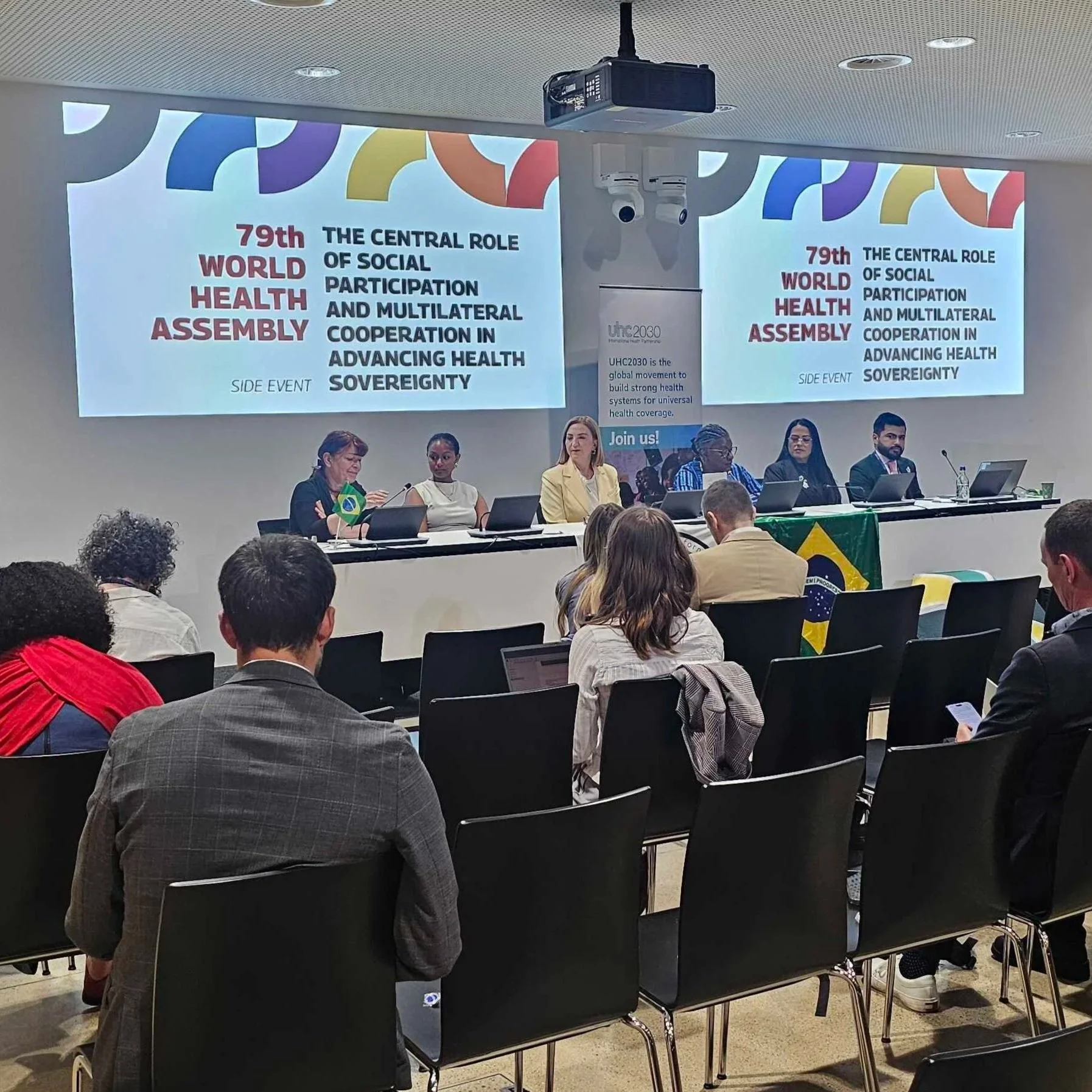
Mental Health at WHA 2026: Four Key Agenda Items
The 2025 UN HLM4 political declaration created unprecedented commitments on mental health and NCDs. WHA79 is one of the first opportunities for Member States to demonstrate how they will operationalise those commitments.
Countries are expected to report on progress and gaps against the Comprehensive Mental Health Action Plan (2013–2030). WHA79 will scrutinise whether momentum is accelerating fast enough to meet 2030 targets.
The Global Health Architecture (GHA) will be a major focus of discussions. Mental health is largely absent from these discussions, as they’ve focused more on reform.
Health Emergencies will be discussed, including the conflict in the Middle East. It is already having a huge mental health impact on those directly affected, and it could have wider international mental health impacts.
Download recommended talking points for each of these agenda items here.
Care Not Custody
✦
Universal Health Coverage
✦
Global Health Architecture
✦
Decolonisation
✦
Care Not Custody ✦ Universal Health Coverage ✦ Global Health Architecture ✦ Decolonisation ✦
GMHAN at WHA79: Session Summaries
-
Despite growing international recognition that mental health is a fundamental human rights issue, many countries continue to rely on institutional and coercive models of care that can undermine autonomy, legal capacity, dignity, and community inclusion. There is an urgent need to deinstitutionalise mental health careby shifting towards rights-based, community-centred systems that prioritise autonomy, participation, and inclusion, while ensuring access to housing, employment, social support, and services shaped by people with lived experience.
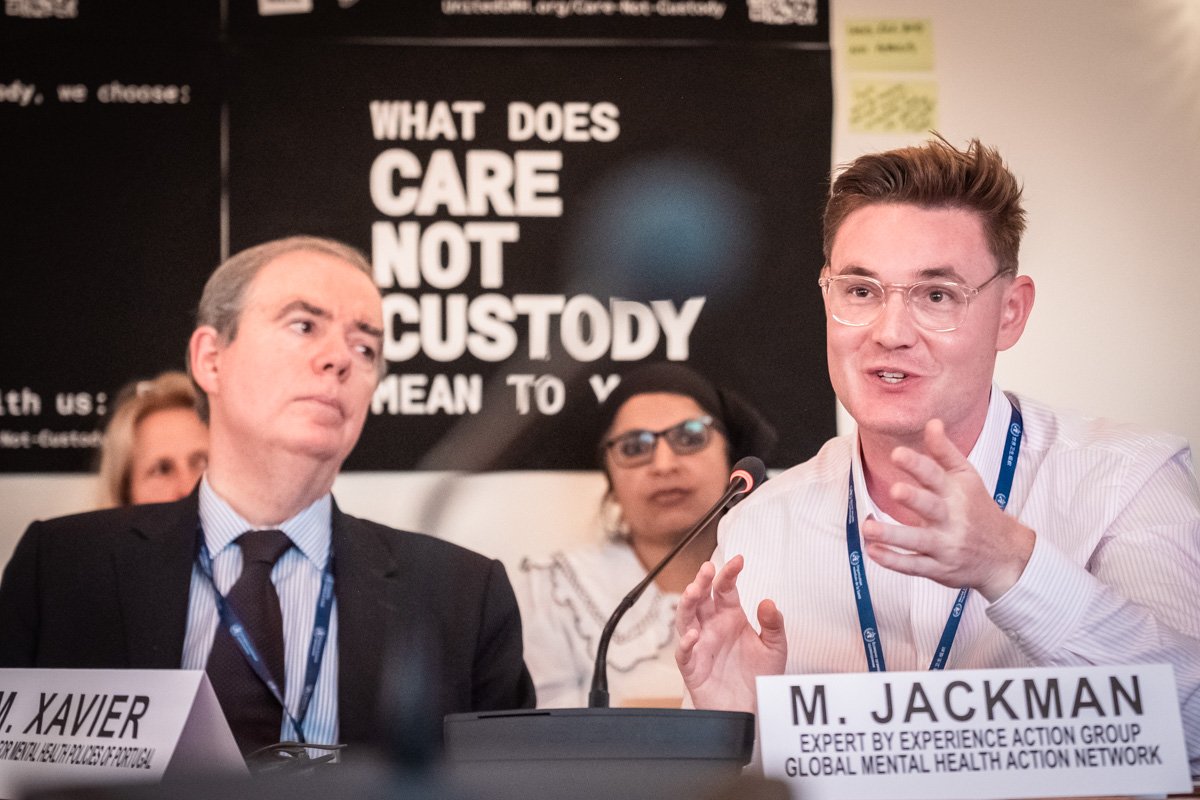
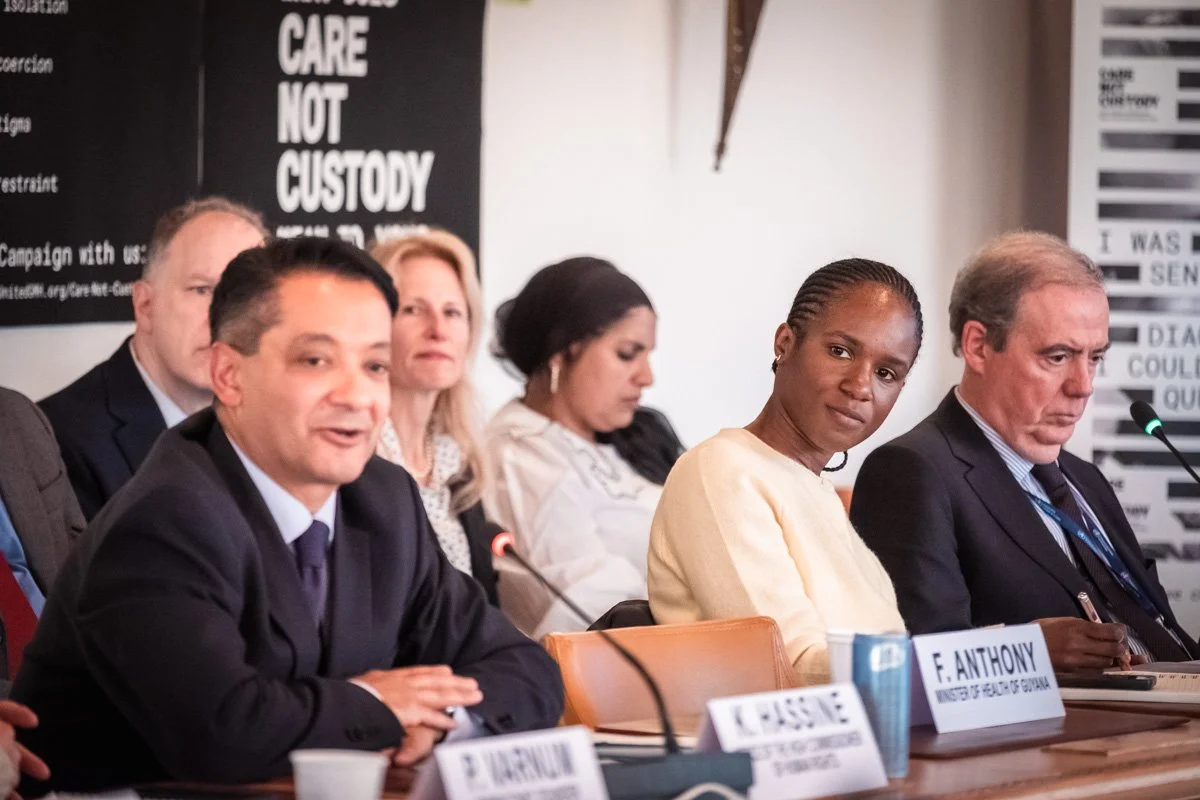
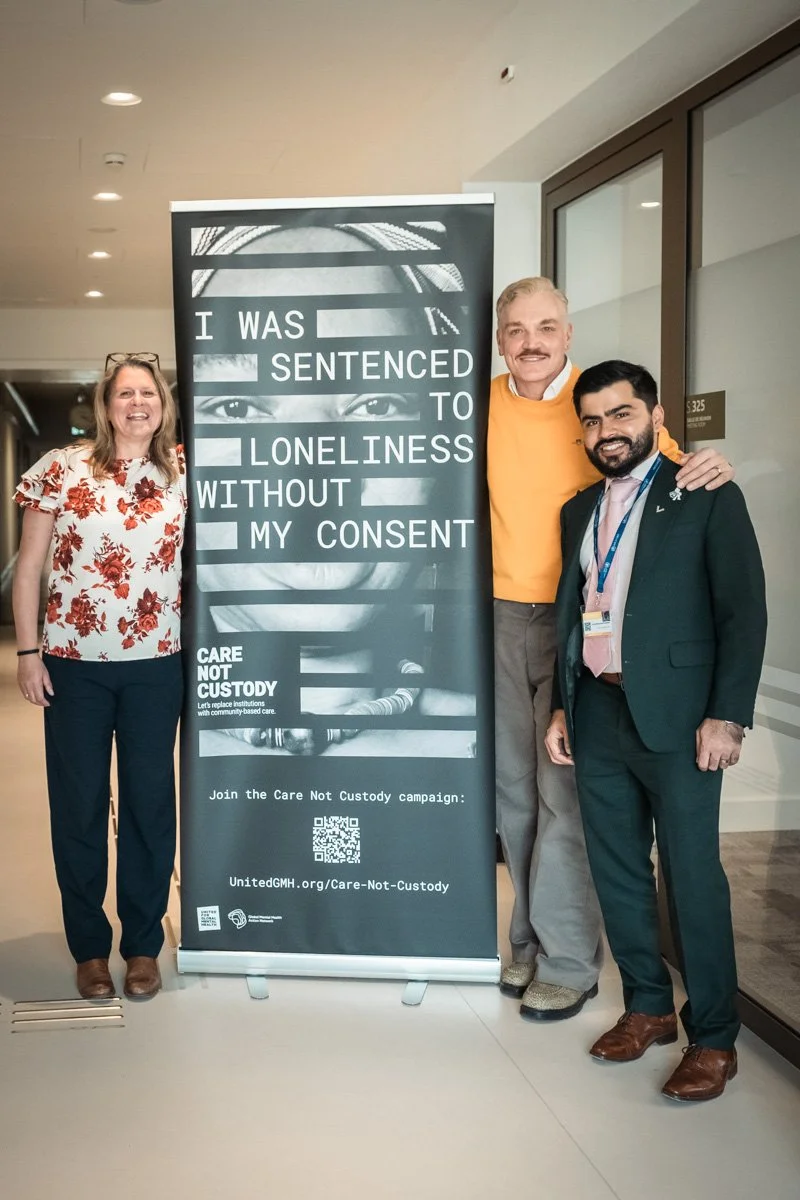
A key moment of the week was the launch of United for Global Mental Health & GMHAN’s Care Not Custody campaign at a side event co-hosted with OHCHR. The campaign calls for governments to prioritise rights-based, community-centred mental health care over coercion and institutionalisation.Lived experience advocates, Matt Jackman, Tiwa Ayeni and Peter Varnum from GMHAN’s Expert by Experience Advisory Group joined representatives from WHO, UNICEF, ministers, and parliamentarians to emphasise the importance of dignity, autonomy, and lived experience leadership in mental health reform. The session reinforced that deinstitutionalisation must go beyond closing institutions, it requires investment in community-based care and genuine partnership with people with lived experience.
✦ We launched our new Care Not Custody campaign at WHA in partnership with OHCHR. Join the movement here.✦ Replay the full #WHA79 campaign launch here.
-
The next UN High-level meeting (UN HLM) on universal health coverage (UHC) will take place in September 2027. Mental health is a core component of UHC and plays a critical role in building resilient health systems and advancing population well-being. In recent years, it has gained increased political visibility, leading to the development of national strategies, policy reforms, and its gradual inclusion in broader health and development agendas.
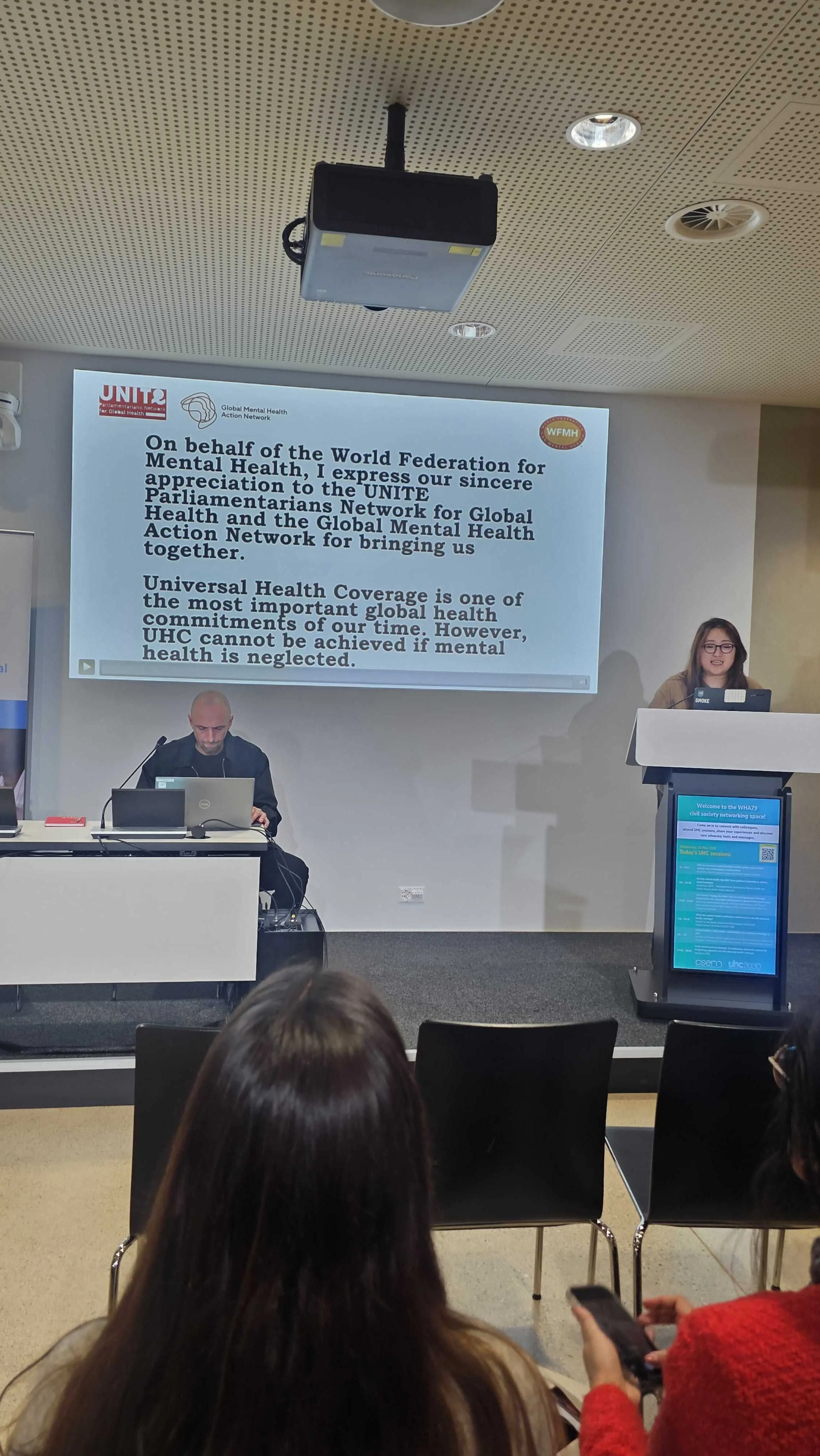
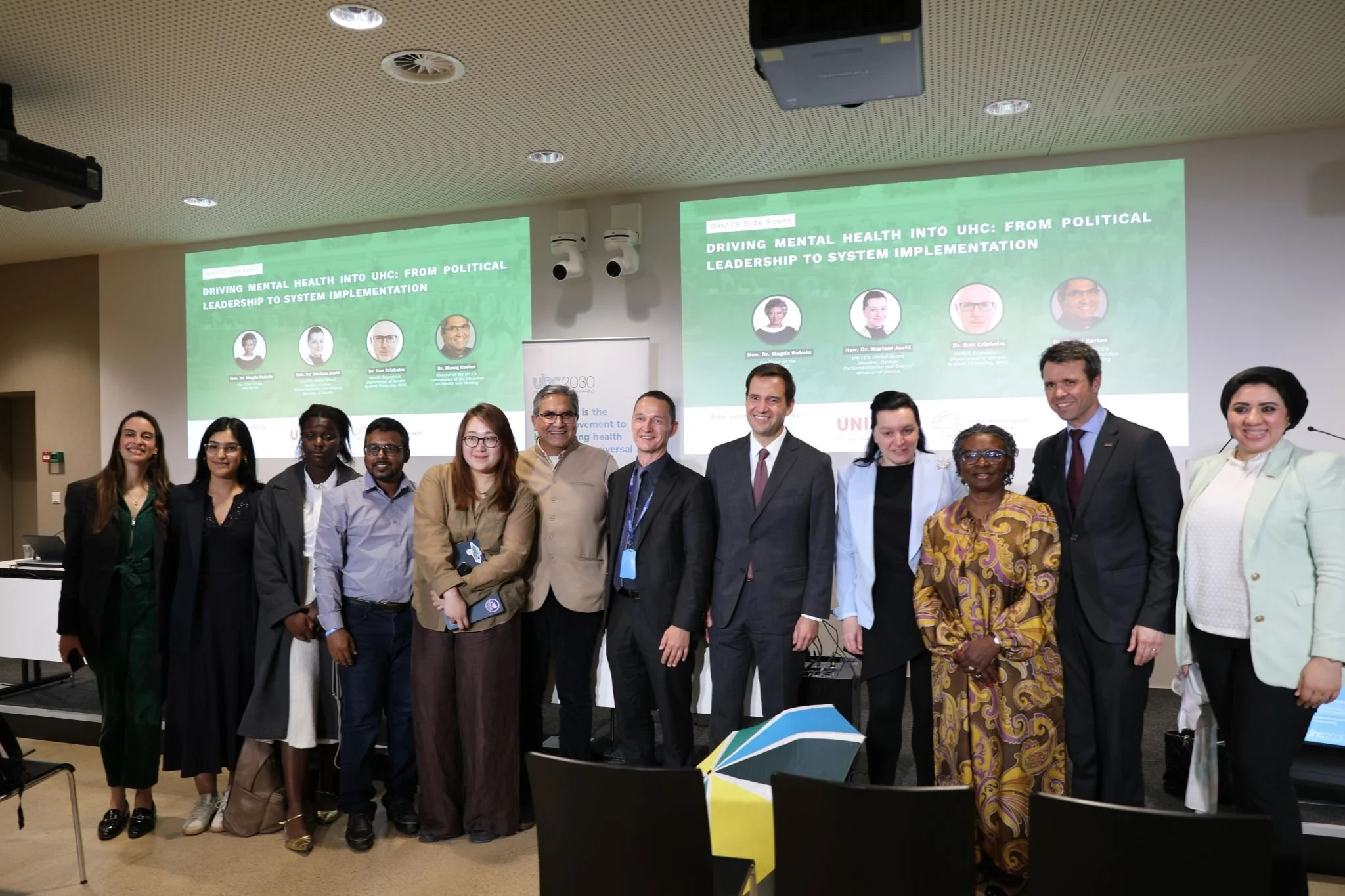
As preparations begin for the UN HLM on UHC, GMHAN’s UHC Working Group co-organised a discussion with the UNITE Network. This session highlighted the importance of ensuring UHC commitments reach the people and communities they are intended to serve.Advocates stressed that mental health cannot remain an optional add-on within UHC frameworks. Access to mental health support, rights protection, and community-based care must be recognised as essential components of the right to health - especially for people who remain excluded from healthcare and social protection systems.
The message throughout the week was clear: For UHC to be truly universal, no one can be left behind!
✦ Driving Mental Health into UHC: From Political Leadership to System Implementation at WHA - Replay our session co-organised with the UNITE Network now!
-
The Global Health Architecture (GHA) refers to the roles or mandates of different health agencies, their governance structures and how they are financed. The GHA’s reform will set the precedent for which organisations coordinate international and/or regional policies and plans on mental health, where funding for mental health is coordinated and distributed, and what guidance and regulations are adhered to.
During #WHA79, UHC Working Group Co-Chair, Pradeep Gunarathne highlighted the need for lived experience to be meaningfully embedded in policy, governance and health architecture discussions, and not treated as an afterthought.
As countries rethink health governance through Pradeep stressed that mental health must be included within broader health system reforms, financing discussions, and accountability mechanisms. Stronger coordination alone is not enough - future systems must also be more inclusive, equitable, and responsive to the communities they serve.
For mental health advocates, the discussions reinforced the importance of engaging beyond mental health-specific spaces to ensure mental health remains part of wider global health reform conversations.
✦ Read our Member’s Brief to find out what we were advocating for in Geneva. -
Decolonising governance for global health is essential to dismantle deeply embedded social, racial, economic, and political hierarchies that perpetuate inequity, and Euro-Western dominance in global health decision-making. Existing systems often concentrate power, funding, and agenda-setting within high-income countries and international institutions, whilst marginalising the voices, knowledge systems, and priorities of communities most affected by health inequities. Power and resources must be redistributed towards locally led institutions and communities, with greater accountability and participation in decision-making, and recognition of diverse forms of knowledge and lived experience.
In a session on Decolonising Global Health Governance, hosted by Emma Rawson Te-Patu, GMHAN Advisory Group Member, participants explored how knowledge, language, and lived experience shape power within global health systems. The session highlighted the importance of valuing local expertise, intergenerational dialogue, and community-led approaches rather than relying solely on traditional global health institutions.For mental health advocates, it was a reminder that meaningful inclusion requires shifting power, not just increasing representation.
✦ Learn more about what it means to achieve equitable wellbeing for all here.
GMHAN Members at WHA79 Events



Replay: Care Not Custody Campaign Launch
✦
Replay: Care Not Custody Campaign Launch ✦
| Date | Organiser | Session |
|---|---|---|
| 18 May | Civil Society Engagement Mechanism (CSEM) | UHC Champions Meet & Greet |
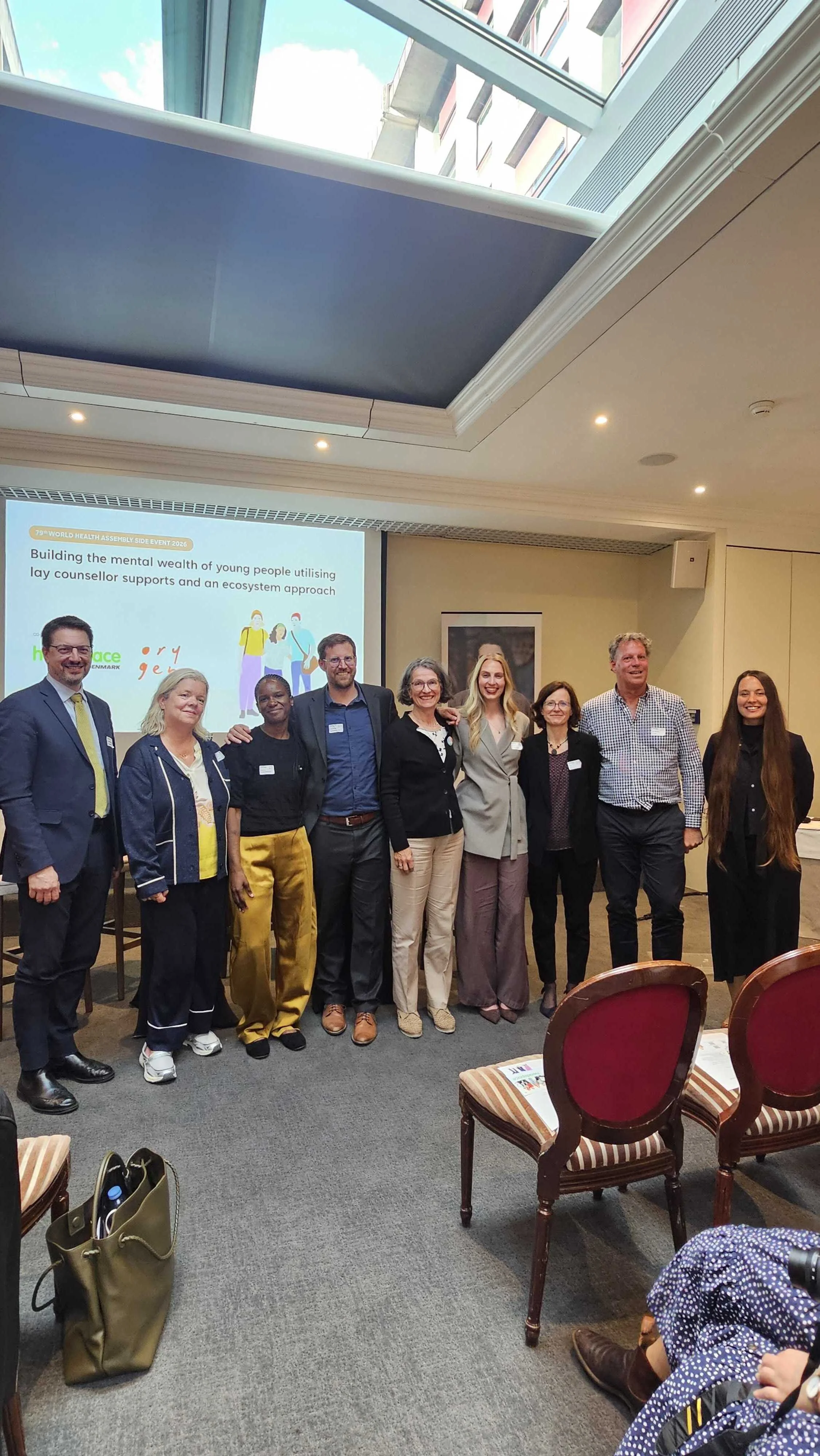
| 18 May | Orygen, Headspace Denmark | Building the mental wealth of young people utilising low-intensity supports and an ecosystem approach. |
| 19 May | WFPHA, MSF, GMHAN & Global Health Governance as Public Service | Knowledge as a Driver of Decolonizing Governance for Global Health |
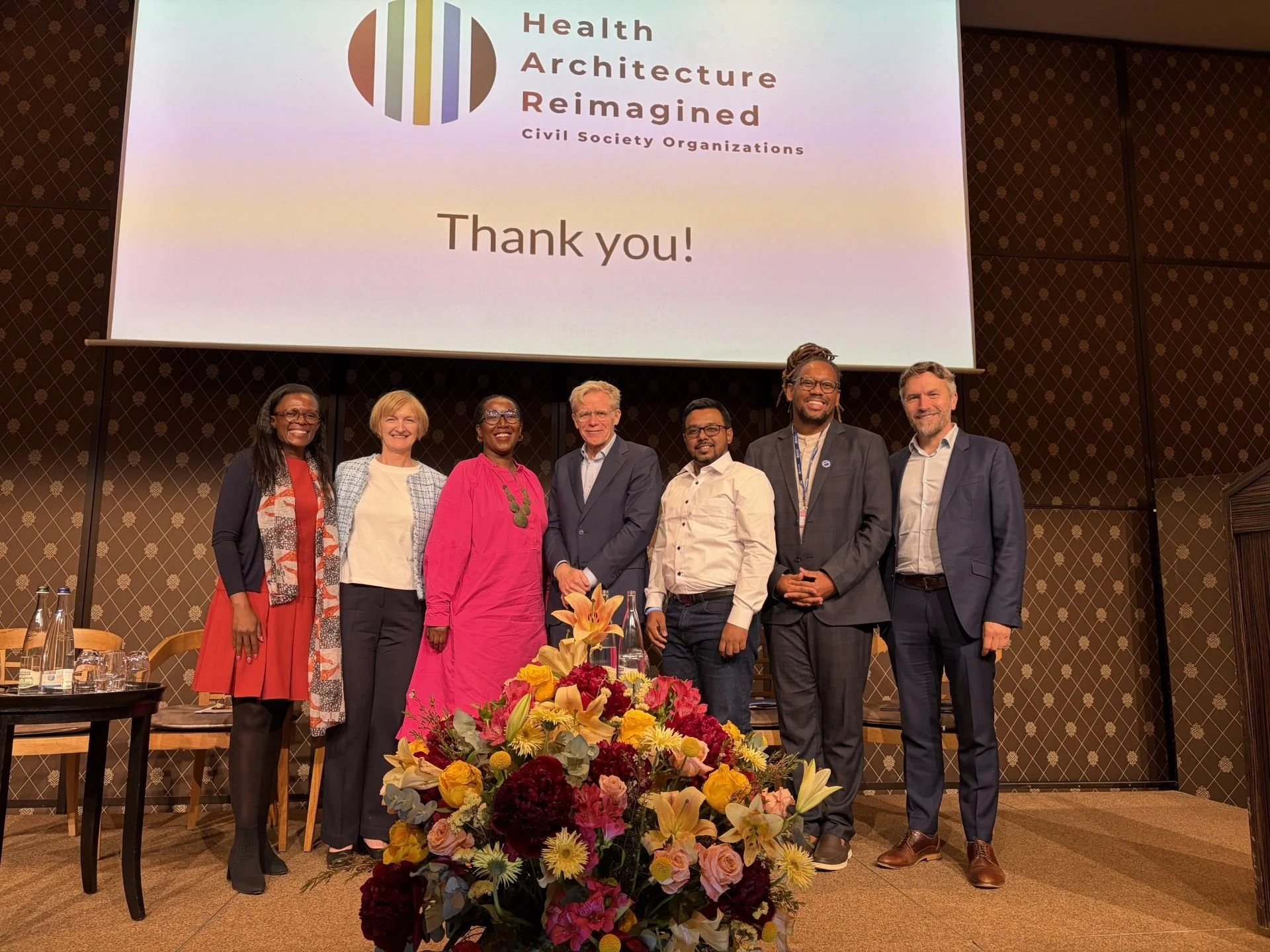
| 19 May | HEAR CSO | Built Together, Fit for All: Pathways and Priorities for Global Health Architecture Reform |
| 19 May | NCD Alliance | Adequate and sustained financing for NCDs and Mental Health: approaches to closing the implementation gap |
| 19 May | ⋆ OHCHR, United for Global Mental Health & GMHAN | Care Not Custody - A Human Rights Based Approach to Mental Health |
| 20 May | ⋆ GMHAN & UNITE | Driving Mental Health into UHC: From Political Leadership to System Implementation |
| 20 May | International Association for Suicide Prevention & Orygen | Online Safety: Artificial Intelligence, Social Media and Suicide Prevention |