Accelerating Progress towards the 2030 African Region Mental Health Targets: Mental Health Intercountry Learning Workshop
By: Oluwaferanmi Omitoyin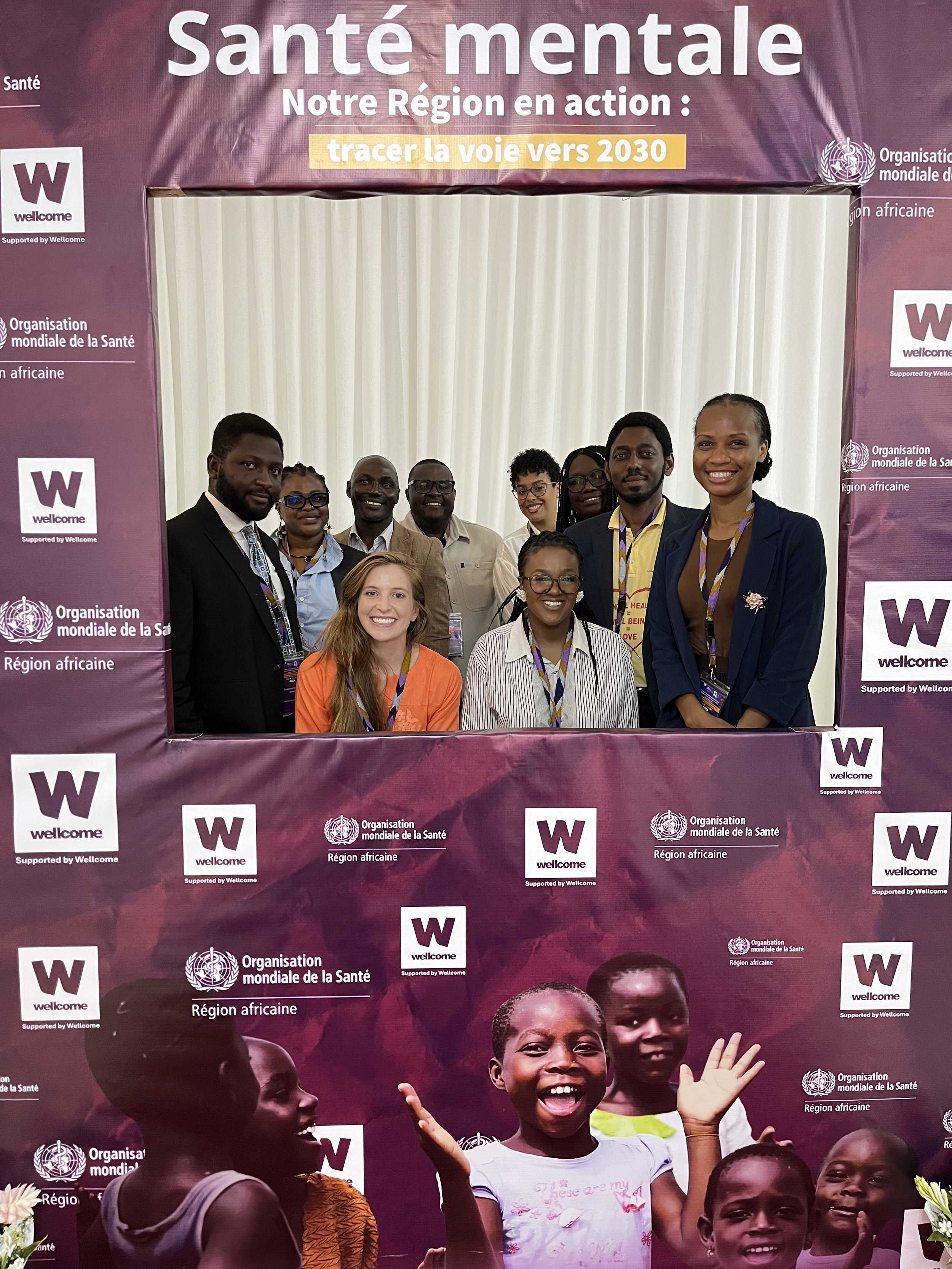
Following the momentum built during the East and Southern Africa Intercountry Meeting, which underscored priorities such as suicide prevention, community-based care, and lived experience leadership, the baton was passed on to the Central and West African subregions to lay down frameworks and reforms that reflected the current realities and future aspirations of the region in reimagining mental health care. This gathering built on shared priorities, bringing stakeholders together to tackle subregional challenges, share practical solutions, and align strategies toward the upcoming 2027 Ministerial Summit in Rwanda.
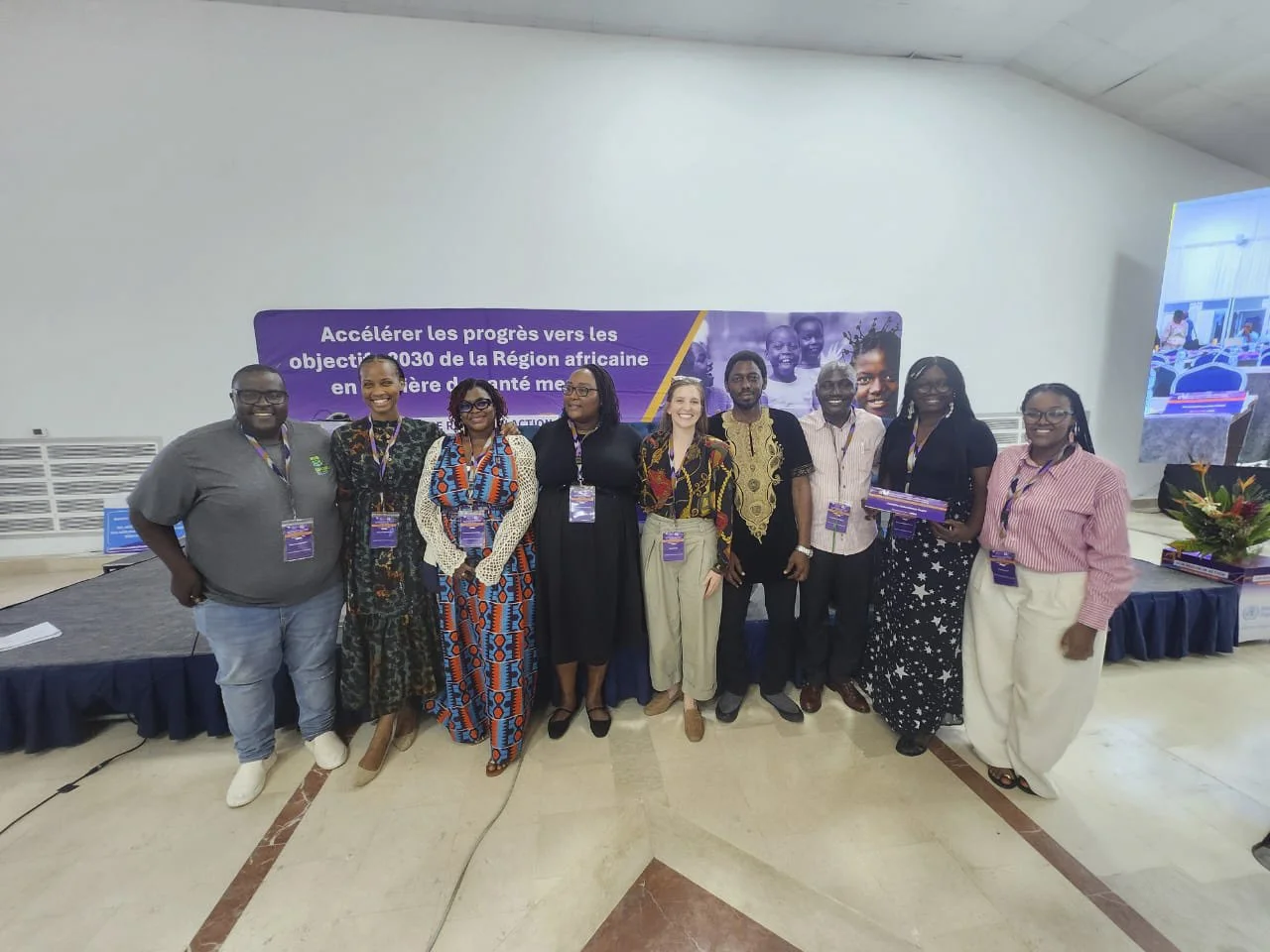
The Central and West African subregional meeting was highly symbolic! It was a crucial opportunity for governments, people with lived experiences, CSOs, and funders to get in one room and discuss the progress so far, challenges, and design a roadmap. Over 26 countries were represented, with 200+ advocates, representatives of CSOs, governments, funders and partners present.
The meeting highlighted two key issues that are often forgotten: the meaningful participation of people with lived experiences (PWLE) and the engagement of Youth Advocates. A day was dedicated solely to hosting the youth mental health side event where 12 young advocates from Gambia, Mozambique, Côte d'Ivoire, Togo, and Senegal spoke about their lived experiences, the challenges they’ve faced, and the priorities that governments and CSOs need to focus on. This was a huge addition to the conversation as the youth side event was not present at the meeting a few months back in Johannesburg. Although members of our GMHAN delegation and I appreciated this much-needed change, we still advocated that such an important aspect of the conversation should not be left until the last day!
Another major highlight in this meeting was the multiple breakout sessions where participants (ministry of health representatives, CSOs, PWLE and advocates) from the same country sat together and brainstormed on actionable and contextually relevant solutions to the various challenges being faced in their respective countries. It was largely emphasized how, from this meeting, success could no longer be measured by the number of workshops held and guidelines written. We need to set clear and realistic guidelines that actually show real progress or not! We cannot continue to hide under the shadows of meetings, workshops and guidelines.
We have come to realize that funding is not infinite; hence, we cannot hide under the banner of lack of funds and government inertia anymore! We must find innovative and cost-effective ways to implement our strategies. Countries were advised to seek wisdom from other countries that were doing well in areas they were lacking and adapt the strategies to fit their context. There was a loud call to work strategically with partners so that they can say things and put pressure in ways that CSOs and Mental Health Directorates in countries might not be able to do on the Ministries of Health.
The meeting ended with 5 calls to action:
Mental health policies aligned with international human rights standards
Dedicated mental health budget lines, developed and implemented
Routine reporting on mental health indicators through health information systems
Comprehensive integration of mental health into general health services
MHPSS embedded in national disaster preparedness and response
And from the UGMH/GMHAN team, we proposed a 6th call to action:
6. Meaningful and Structured involvement of People with Lived Experience in national and strategic decision-making processes
It was a thorough 3 days of brainstorming, networking, and pushing for policy changes through internal and external pathways!
Towards the end of the workshop, we were officially invited to the 2027 Ministerial Summit, 30 - 31 March, in Kigali, Rwanda, themed: “Mental Health for all transforming systems, expanding access and changing lives”
The bottom line of that week was that although we still have work to do, we have gained massive wins!